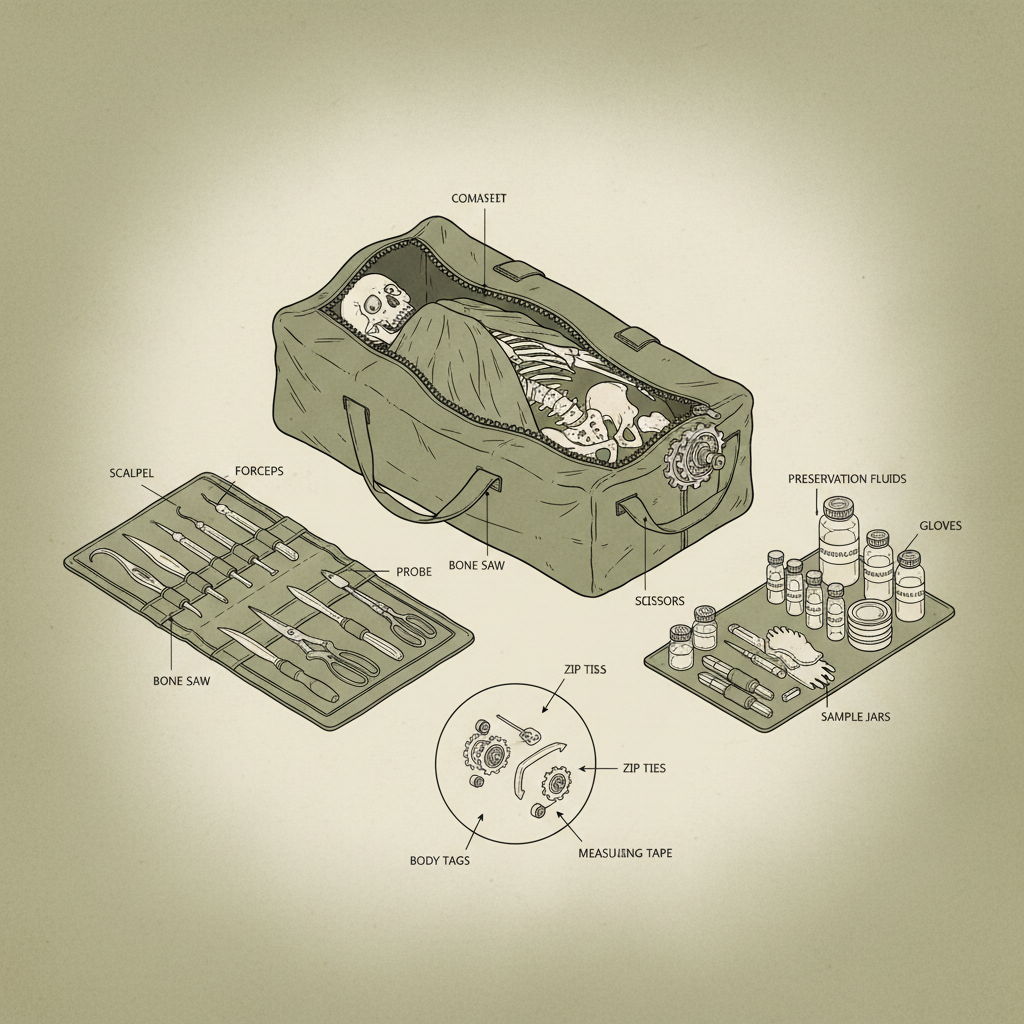
Post mortem shroud kits represent a crucial, yet often overlooked, aspect of dignified death care, particularly in disaster response and remote healthcare settings. These kits provide a respectful and hygienic means of preparing the deceased for burial or cremation, addressing cultural sensitivities and preventing the spread of disease. Understanding the nuances of these kits, from their composition to their logistical deployment, is vital for organizations involved in humanitarian aid, emergency management, and even individual pre-planning. The growing recognition of the importance of dignified remains handling globally fuels the demand for readily available and appropriately equipped post mortem shroud kits.
The global relevance of post mortem shroud kits is underscored by increasing instances of natural disasters, conflicts, and public health emergencies. The United Nations Office for Disaster Risk Reduction (UNDRR) reports a significant rise in climate-related disasters, leaving communities grappling with mass fatality events. Simultaneously, organizations like the International Federation of Red Cross and Red Crescent Societies (IFRC) actively seek effective solutions for dignified remains management during crisis situations. Furthermore, remote and underserved populations often lack access to traditional mortuary services, making portable shroud kits a lifeline for respectful and safe end-of-life care.
The increasing emphasis on disaster preparedness, coupled with a growing awareness of the ethical imperative to treat all individuals with dignity, regardless of circumstance, drives the need for comprehensive and readily deployable post mortem shroud kits. Investing in and understanding these kits is not merely a logistical necessity; it is a fundamental act of compassion and respect in the face of loss.
Introduction to post mortem shroud kits
Post mortem shroud kits are self-contained units designed to provide the essential materials needed for the respectful and hygienic preparation of a deceased individual for burial or cremation. These kits typically include a shroud (often biodegradable), absorbent materials, disinfectant, personal protective equipment (PPE) for the handler, identification tags, and instructions. They are often utilized in situations where traditional mortuary services are unavailable or overwhelmed, such as disaster zones or remote locations.
The crucial function of these kits extends beyond basic hygiene. They address the vital need for dignity and cultural sensitivity in death care, offering a means to honor the deceased and provide closure for grieving families, even amidst challenging circumstances. The increasing demand for these kits highlights a growing global recognition of the importance of respectful remains management as a component of humanitarian aid and disaster response.
Defining post mortem shroud kits
At its core, a post mortem shroud kit is a pre-assembled collection of supplies intended to facilitate the dignified and sanitary handling of a deceased person. It’s a departure from traditional embalming or extensive mortuary procedures, offering a simpler, more accessible, and often more environmentally friendly alternative. The definition extends beyond just the physical components; it encompasses the philosophy of providing respectful care in challenging environments, ensuring basic dignity even in the face of loss.
These kits are integral to modern humanitarian efforts and disaster relief, providing a critical service where conventional infrastructure is compromised. They bridge the gap between the event of death and the final disposition, ensuring public health and cultural sensitivities are addressed. Furthermore, they can play a vital role in supporting communities' own traditions and beliefs surrounding death and mourning.
The connection to modern needs is amplified by growing concerns regarding sustainable practices. Many kits now prioritize biodegradable materials, reducing environmental impact. They represent a pragmatic response to a universal human experience, adapted to the realities of a rapidly changing world.
Core Components of Effective Kits
Several key factors determine the effectiveness of a post mortem shroud kit. First and foremost is Durability: the materials must withstand handling and storage in often harsh conditions. Shrouds should be tear-resistant, and containers should be waterproof. This ensures the kit remains functional when needed most.
Secondly, Completeness is essential. A robust kit should include all necessary items, from PPE (gloves, masks, aprons) to absorbent materials, disinfectant, identification tags, and clear instructions. Omissions can create logistical nightmares and compromise hygiene. post mortem shroud kits are often designed to minimize such issues.
Biodegradability is a growing concern, with increasing preference for environmentally friendly materials. Shrouds made from natural fibers like cotton or linen are becoming standard. Portability is also vital; kits must be lightweight and easy to transport, allowing rapid deployment to affected areas. Finally, Compliance with relevant regulations (local and international) is crucial to ensure legal and ethical operation.
Global Applications and Use Cases
Post mortem shroud kits are deployed in a wide range of contexts. In post-disaster relief operations, following events like earthquakes, floods, or tsunamis, they are indispensable for managing mass casualties with dignity. Organizations such as the Red Cross and various NGOs routinely include these kits in their emergency response packages.
They are also critical in remote industrial zones, such as mining operations or oil rigs, where access to traditional mortuary services is limited. Humanitarian missions in conflict zones also rely on these kits to provide respectful care for those who have lost their lives. Moreover, some healthcare facilities and hospices utilize them as part of their end-of-life care protocols, offering a more natural and sustainable alternative to conventional methods.
Specific examples include the deployment of shroud kits after the 2010 Haiti earthquake, where they facilitated the dignified handling of thousands of deceased individuals. They’re also regularly used by medical teams operating in refugee camps, providing essential support in challenging and sensitive circumstances.
post mortem shroud kits Component Importance Ratings
Advantages and Long-Term Value
The benefits of utilizing post mortem shroud kits are multifaceted. From a cost perspective, they offer a significantly more affordable solution compared to traditional embalming and mortuary services, particularly in resource-limited settings. Sustainability is another key advantage, as biodegradable kits minimize environmental impact. The social impact is profound, offering dignified care that respects cultural norms and provides closure for grieving families.
The reliability of these kits is paramount. They provide a consistent and readily available solution, unlike relying on potentially overwhelmed or unavailable infrastructure. This translates to increased safety for both those handling the deceased and the wider community, minimizing the risk of disease transmission. Trust is also built – demonstrating respect for the deceased fosters community resilience and cooperation.
Future Trends and Innovations
The future of post mortem shroud kits is likely to be shaped by several key trends. Increased adoption of biodegradable and compostable materials will become standard, moving away from plastics and synthetic fibers. Digital integration – incorporating QR codes linking to digital documentation and identification systems – will enhance traceability and accountability.
Advances in disinfectant technology, including eco-friendly and highly effective formulations, will improve hygiene and safety. Automation in kit assembly and packaging, coupled with improved logistical tracking systems, will streamline supply chains and ensure rapid deployment. Finally, evolving policies and regulations will further standardize practices and promote the responsible use of these kits globally.
Challenges and Solutions
Despite their benefits, several challenges hinder the widespread adoption of post mortem shroud kits. Cultural sensitivities can vary significantly, requiring careful consideration of local customs and beliefs when designing and deploying kits. Logistical complexities, particularly in remote or disaster-affected areas, can impede timely delivery.
Training and education are also essential; personnel must be properly trained in the safe and respectful use of the kits. One solution lies in developing culturally adaptable kits, incorporating materials and designs that align with local traditions. Strengthening supply chain resilience through diversified sourcing and prepositioning of kits is crucial.
Finally, investing in comprehensive training programs for first responders, healthcare workers, and humanitarian aid personnel will ensure proper utilization and maximize the impact of these vital resources. post mortem shroud kits are evolving to address these challenges proactively.
Core Considerations for post mortem shroud kit Optimization
| Kit Component |
Material Sustainability |
Deployment Speed |
Cultural Acceptability |
| Shroud Fabric |
9/10 (Biodegradable Cotton) |
8/10 (Lightweight & Compact) |
7/10 (May require regional adaptations) |
| Disinfectant |
6/10 (Eco-Friendly options emerging) |
9/10 (Ready-to-use formulation) |
8/10 (Generally acceptable) |
| PPE (Gloves, Masks) |
5/10 (Plastic-based, recycling challenges) |
10/10 (Immediately available) |
10/10 (Universal requirement) |
| Absorbent Material |
7/10 (Sustainable options like cellulose) |
7/10 (Moderate bulk) |
9/10 (Generally accepted) |
| Identification Tags |
8/10 (Durable and weather-resistant) |
10/10 (Small & easy to attach) |
9/10 (Essential for tracking) |
| Instruction Manual |
9/10 (Printed on recycled paper) |
8/10 (Concise and clear instructions) |
8/10 (Translation into local languages crucial) |
FAQS
Most high-quality post mortem shroud kits are designed to have a shelf life of at least 3-5 years when stored correctly. This is due to the stability of the materials used, such as the shroud fabric, disinfectant, and PPE. However, it's crucial to check the expiration dates on individual components, particularly the disinfectant and any medical supplies, and replace them as needed. Proper storage in a cool, dry, and dark location is essential for maintaining the kit’s integrity.
While post mortem shroud kits aim to provide dignified care universally, cultural sensitivities surrounding death are highly varied. It’s essential to research and understand local customs and traditions before deploying a kit. Some cultures may have specific preferences regarding shrouds, burial practices, or the handling of remains. Adaptations may be necessary, such as providing alternative shroud materials or adjusting the kit's contents to align with local beliefs. Consulting with local community leaders is highly recommended.
Basic training on infection control, proper use of PPE, and respectful handling of deceased individuals is crucial. This training should cover topics like hand hygiene, donning and doffing PPE, and safe disposal of contaminated materials. More advanced training may be required for those involved in mass fatality incidents, including proper documentation and identification procedures. Several organizations offer accredited training programs on disaster response and remains management.
Increasingly, manufacturers are prioritizing sustainability. Many kits now feature shrouds made from biodegradable materials like cotton or linen. However, not all components may be fully biodegradable. PPE, for instance, often contains plastic. Look for kits that specifically highlight their eco-friendly features and prioritize sustainable sourcing. Proper disposal of non-biodegradable materials is crucial to minimize environmental impact.
Proper storage and transport are critical for maintaining sterility. Store the kit in a sealed, waterproof container in a cool, dry, and dark location. Avoid areas with extreme temperatures or humidity. During transport, ensure the container is protected from damage and contamination. Regularly inspect the kit for any signs of damage or compromise to the packaging. Any compromised items should be replaced immediately.
Yes, many suppliers offer customization options for post mortem shroud kits. This allows you to tailor the contents to meet specific requirements, such as including language-specific instruction manuals, adding culturally appropriate items, or adjusting the quantity of certain supplies. Customization is particularly valuable for organizations operating in diverse cultural contexts or facing unique logistical challenges.
Conclusion
In conclusion, post mortem shroud kits represent a vital component of dignified death care, particularly in challenging circumstances. From disaster relief to remote healthcare, these kits offer a practical, respectful, and sustainable solution for managing deceased individuals. Their core value lies in providing not only the necessary materials but also a commitment to human dignity in the face of loss. Understanding the key components, global applications, and future trends surrounding these kits is paramount for organizations and individuals involved in humanitarian aid and emergency preparedness.
Looking ahead, continued innovation in materials, digital integration, and cultural sensitivity will further enhance the effectiveness and accessibility of post mortem shroud kits. Investing in these resources is not merely a logistical necessity; it is an ethical imperative – a testament to our shared humanity and a commitment to honoring the dignity of every life, even in death. Visit our website at www.heleegarment.com to learn more about our range of post mortem shroud kits and how we can support your organization.