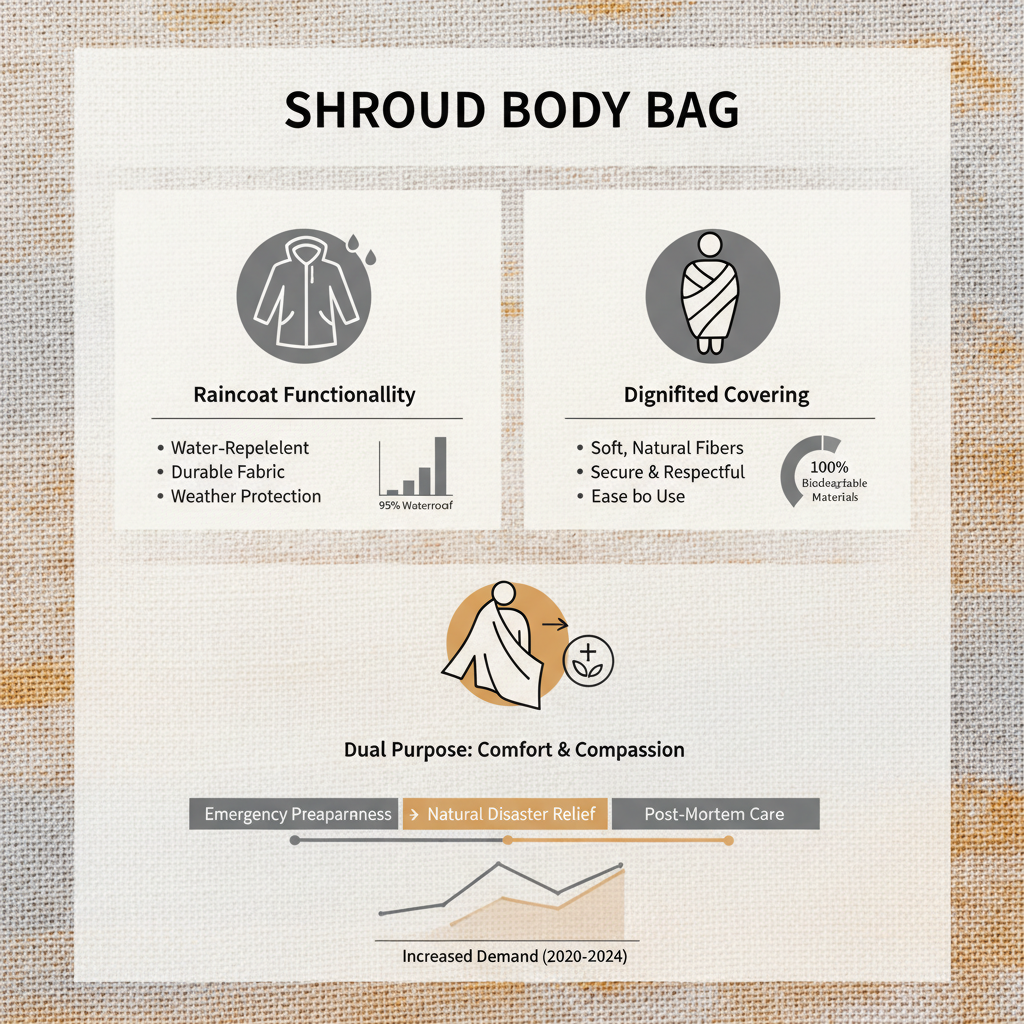
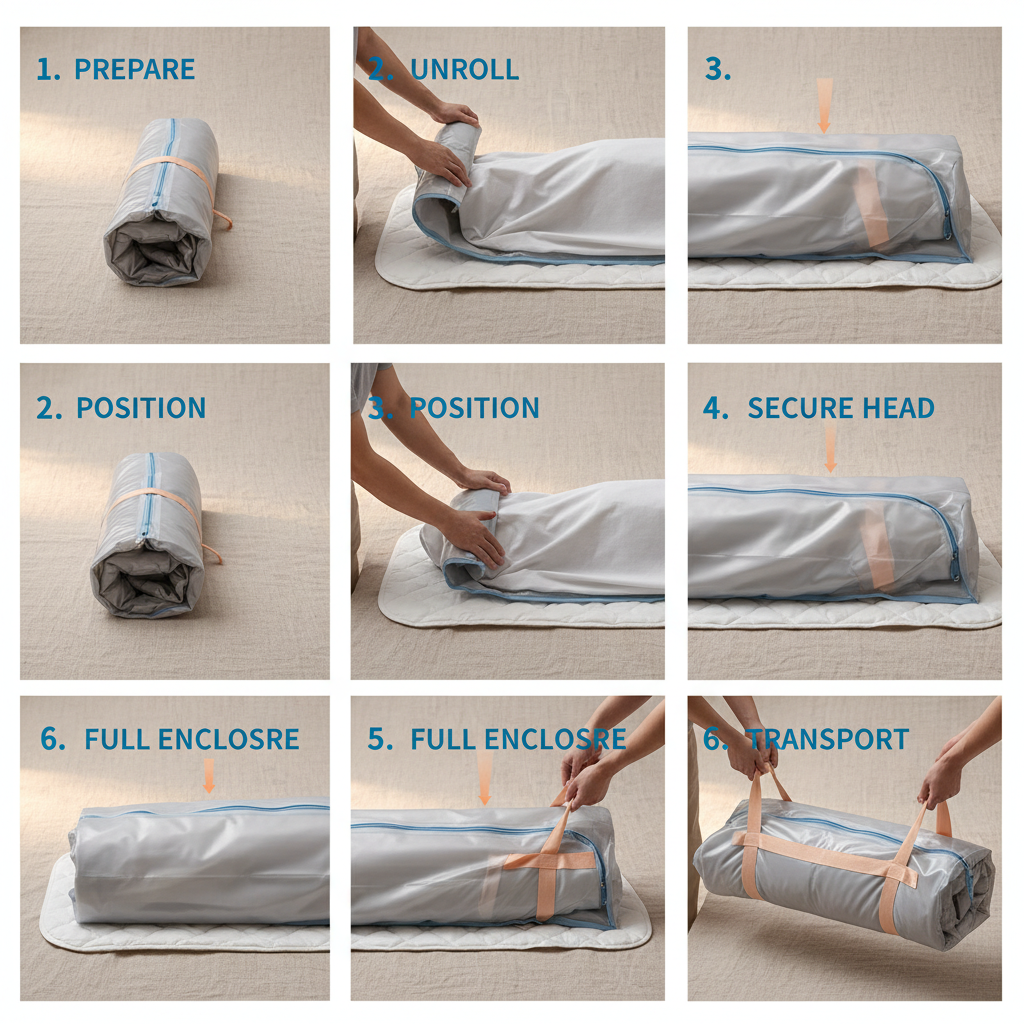
The importance of effective and dignified body handling is a global concern, impacting disaster relief, forensic science, healthcare, and humanitarian efforts. The shroud body bag represents a critical component in maintaining respect for the deceased while ensuring safe and efficient management during challenging circumstances. Understanding its specifications, applications, and advancements is vital for professionals across numerous sectors.
Modern demands necessitate solutions that are not only functional but also compliant with stringent safety regulations and ethical considerations. From mass fatality incidents to routine hospital procedures, a reliable shroud body bag system contributes to minimizing risks, preserving evidence, and upholding the dignity of those who have passed. This is further influenced by international standards and protocols.
Choosing the appropriate shroud body bag is a key element in ensuring a responsible and respectful approach to post-mortem care, demonstrating a commitment to both operational efficiency and humanitarian principles. The evolution of these systems reflects ongoing advancements in material science and logistical practices.
The Global Significance of shroud body bag
The need for effective body handling solutions is globally pervasive, driven by natural disasters, pandemics, forensic investigations, and healthcare requirements. The United Nations estimates that disasters displace millions annually, often necessitating mass fatality management plans. Reliable shroud body bag are critical in such scenarios.
The World Health Organization (WHO) emphasizes the importance of safe and dignified handling of human remains, particularly during infectious disease outbreaks. ISO standards related to containment and hygiene further underscore the need for appropriate materials and designs in shroud body bag production. The efficacy of a shroud body bag is directly linked to global public health and safety.
Defining shroud body bag
A shroud body bag is a specialized containment system designed for the safe, secure, and dignified handling of human remains. Typically constructed from durable, leak-proof materials, it serves to contain bodily fluids, maintain hygiene, and preserve evidence if required.
These bags are essential tools in diverse fields, ranging from emergency medical services and forensic pathology to disaster response teams and healthcare facilities. Their functionality extends beyond simple containment, often incorporating features like identification tags, secure closure mechanisms, and carrying handles.
In the context of modern humanitarian needs, the shroud body bag is no longer simply a utilitarian object; it represents a fundamental aspect of respectful and ethical post-mortem care in increasingly complex situations.
Core Components & Key Features of shroud body bag
The key components of a high-quality shroud body bag include a robust outer layer, often made from polyethylene or similar puncture-resistant material, an inner lining for leak-proof containment, and a secure zip or tie closure system.
Essential features also encompass reinforced handles for ease of transport, designated areas for identification labels, and tamper-evident seals to ensure chain of custody. Material biocompatibility and resistance to degradation are crucial for maintaining the integrity of the bag during storage and transportation.
Advanced models may include features like absorbent padding to further manage fluids, biohazard warning labels, and specialized sizes to accommodate various body types. The selection of appropriate features should be based on the intended application and relevant regulatory requirements.
Practical Applications of shroud body bag
Shroud body bag are utilized extensively in disaster response, serving as essential tools for managing casualties during mass fatality incidents. In post-disaster relief operations, their rapid deployment and ease of use are crucial for maintaining public health and upholding dignity.
Forensic pathology relies heavily on shroud body bag to preserve evidence, prevent contamination, and maintain the chain of custody during investigations. Healthcare facilities employ them for the respectful handling of deceased patients and for biohazard containment.
Comparative Analysis of shroud body bag Features
Advantages and Long-Term Value of shroud body bag
The tangible benefits of using quality shroud body bag include reduced risk of contamination, minimized biohazard exposure for personnel, and efficient transport of remains. Cost-effectiveness is also a significant factor, as these bags eliminate the need for multiple handling steps and costly cleanup procedures.
Beyond the practical advantages, shroud body bag contribute to upholding ethical standards and demonstrating respect for the deceased. Their use fosters trust within communities and reinforces a commitment to responsible post-mortem care, building social capital and peace of mind.
Future Trends & Innovations in shroud body bag
Emerging trends in shroud body bag technology focus on the development of biodegradable and environmentally friendly materials. This aligns with growing sustainability concerns and aims to reduce the environmental impact of post-mortem care practices.
Digital integration is also gaining traction, with the potential for incorporating RFID tags or QR codes into shroud body bag for enhanced tracking and identification. Automation in manufacturing processes and improved quality control measures are further driving innovation.
The incorporation of antimicrobial agents directly into the bag material represents another promising avenue for development, enhancing hygiene and reducing the risk of pathogen transmission.
Challenges & Solutions Related to shroud body bag
A common challenge is ensuring the consistent quality and durability of shroud body bag across different manufacturers. This can be addressed through stricter adherence to international standards and rigorous third-party testing.
Another limitation is the potential for inadequate training among personnel responsible for using these bags, leading to improper handling and potential contamination. Comprehensive training programs and clear operational protocols are crucial for mitigating this risk.
Supply chain disruptions can also pose a challenge, particularly during large-scale emergencies. Establishing robust and diversified sourcing networks, along with strategic stockpiling, can help ensure the availability of shroud body bag when and where they are needed most.
A Comparative Analysis of Key shroud body bag Attributes
| Material Composition |
Leak-Proof Rating (1-10) |
Durability Score (1-10) |
Cost per Unit (USD) |
| Polyethylene |
9 |
7 |
2.50 |
| Reinforced PVC |
10 |
8 |
3.75 |
| Biodegradable Polymer |
8 |
6 |
4.00 |
| High-Density Polypropylene |
7 |
9 |
2.00 |
| Multi-Layer Laminate |
10 |
10 |
5.50 |
| Recycled PET |
6 |
5 |
3.00 |
FAQS
Shroud body bags are most commonly constructed from durable, leak-proof materials like polyethylene, PVC, or reinforced laminates. The selection of material depends on the intended application and specific requirements, such as resistance to punctures, chemicals, and biohazards. Biodegradable polymer options are also emerging as sustainable alternatives.
Disposal protocols for shroud body bags vary depending on local regulations and the nature of the contents. Generally, they are treated as medical waste and require incineration or specialized landfill disposal. Always adhere to applicable guidelines to ensure safe and responsible handling.
The appropriate size depends on the individual being handled. Standard sizes are available, but larger or custom-sized bags may be required for certain cases. It's essential to ensure the bag fully contains the remains with room for secure closure.
Most high-quality shroud body bags are designed to be leak-proof and highly resistant to water penetration. However, the degree of water resistance can vary depending on the material and construction. Reinforced PVC and multi-layer laminate bags offer superior waterproof capabilities.
Utilize bags with tamper-evident seals and designated areas for identification labels. Document the transfer of the bag at each stage, including date, time, and signatures of personnel involved. Maintaining a clear and comprehensive record is crucial for preserving the chain of custody.
Look for certifications demonstrating compliance with relevant industry standards, such as ISO certifications related to quality management and environmental sustainability. Certifications confirm that the product meets specific performance and safety criteria.
Conclusion
In conclusion, the shroud body bag is a critical tool that extends far beyond simple containment. Its importance spans disaster response, forensic science, healthcare, and ethical post-mortem care. From material science advancements to innovative design features and increasing adherence to sustainable practices, the shroud body bag continues to evolve to meet the changing needs of a globalized world.
Investing in high-quality shroud body bag systems, coupled with comprehensive training and adherence to best practices, is not only a matter of operational efficiency but also a demonstration of respect and dignity. We encourage you to explore our range of solutions at www.heleegarment.com and contact us to discuss your specific needs.