Shroud kit packs represent a critical advancement in providing rapid, dignified, and respectful treatment of the deceased, particularly in challenging circumstances. These comprehensive kits are becoming increasingly vital in disaster response, forensic investigations, and humanitarian aid efforts globally, ensuring a standardized and sensitive approach to deceased body management. The understanding and effective deployment of these kits are paramount for maintaining public health, respecting cultural sensitivities, and upholding ethical standards in dealing with mortality.
The global demand for efficient and respectful deceased management solutions is growing due to escalating natural disasters, geopolitical conflicts, and public health emergencies. Organizations ranging from international NGOs to national disaster response teams are actively seeking reliable and easily deployable solutions. The implementation of standardized shroud kit packs addresses critical gaps in logistical preparedness and provides a consistent level of care, regardless of location or available resources. This proactive approach is crucial for mitigating the psychological impact on responders and affected communities.
Effectively deployed shroud kit packs aren't simply about containing a body; they represent a commitment to human dignity even in death. They facilitate proper identification, preservation, and eventual respectful repatriation or burial, minimizing risks of disease transmission and fostering trust in disaster management protocols. Understanding the contents and proper usage of a shroud kit pack is becoming a key competency for first responders and humanitarian workers worldwide.
The Importance of Shroud Kit Packs
Effective deceased management is an often-overlooked but vital component of disaster preparedness and response. Shroud kit packs provide a standardized, dignified, and efficient method for handling remains in various scenarios, ensuring both respect for the deceased and protection for responders. Proper handling minimizes biohazard risks and supports accurate identification processes.
The increasing frequency and scale of global crises necessitate robust solutions like well-equipped shroud kit packs. These kits represent more than just supplies; they signify a commitment to ethical and compassionate care in times of tragedy.
Global Context and Relevance
According to the United Nations Office for Disaster Risk Reduction (UNDRR), the number of people affected by disasters has been steadily increasing over the past decades. These events often result in significant fatalities, placing immense strain on local resources and infrastructure. The World Health Organization (WHO) emphasizes the importance of safe and dignified handling of the deceased as a critical aspect of public health and psychosocial support following disasters. Furthermore, international humanitarian law mandates respect for the dead, regardless of the circumstances.
The need for effective deceased management extends beyond natural disasters. Armed conflicts, mass casualty events, and even pandemics contribute to the demand for rapid and respectful solutions. The availability of standardized shroud kit packs streamlines operations, minimizes logistical challenges, and ensures a consistent standard of care across different response teams and locations.
ISO standards for disaster management increasingly highlight the importance of pre-positioned supplies and standardized protocols. Investing in and deploying shroud kit packs aligns with these evolving best practices, demonstrating a proactive and responsible approach to managing the consequences of unforeseen events. It allows for a swifter and more dignified response, protecting both the deceased and those involved in their care.
Defining a Shroud Kit Pack
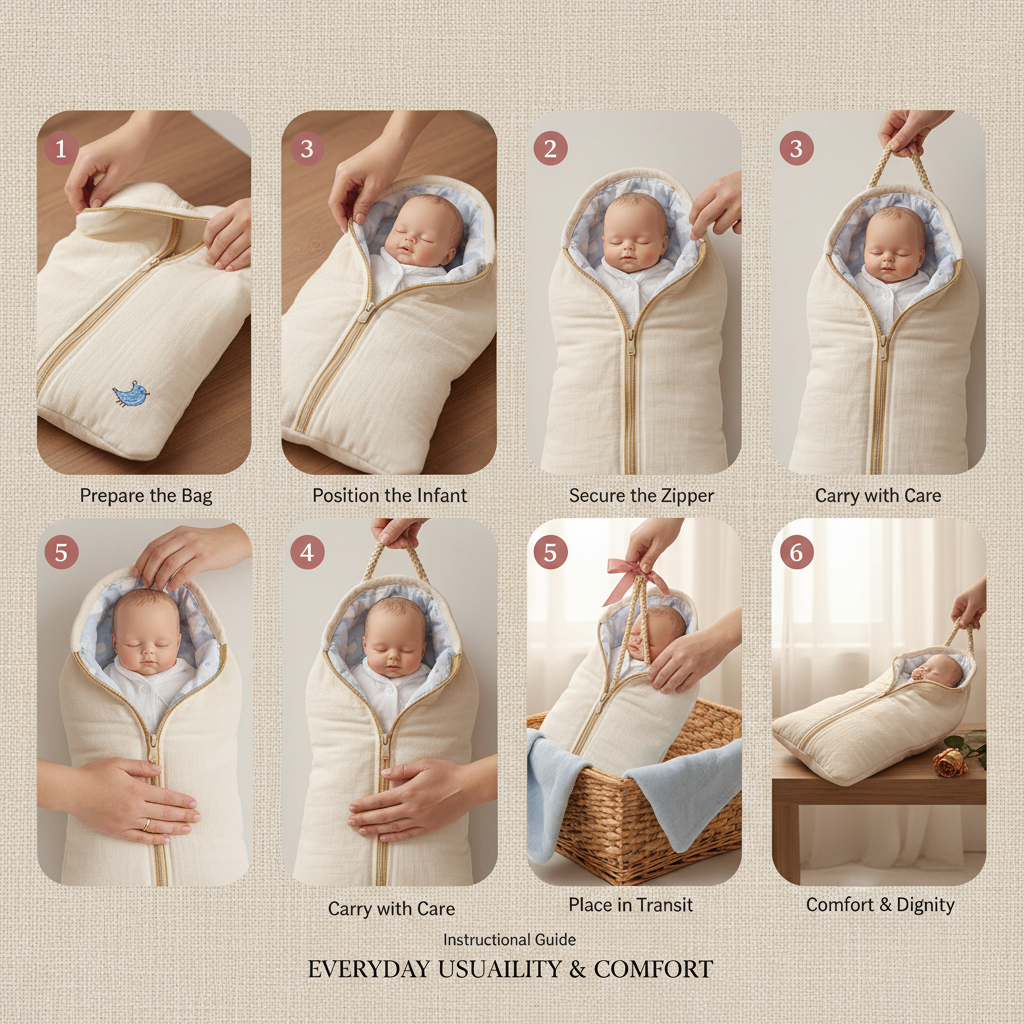
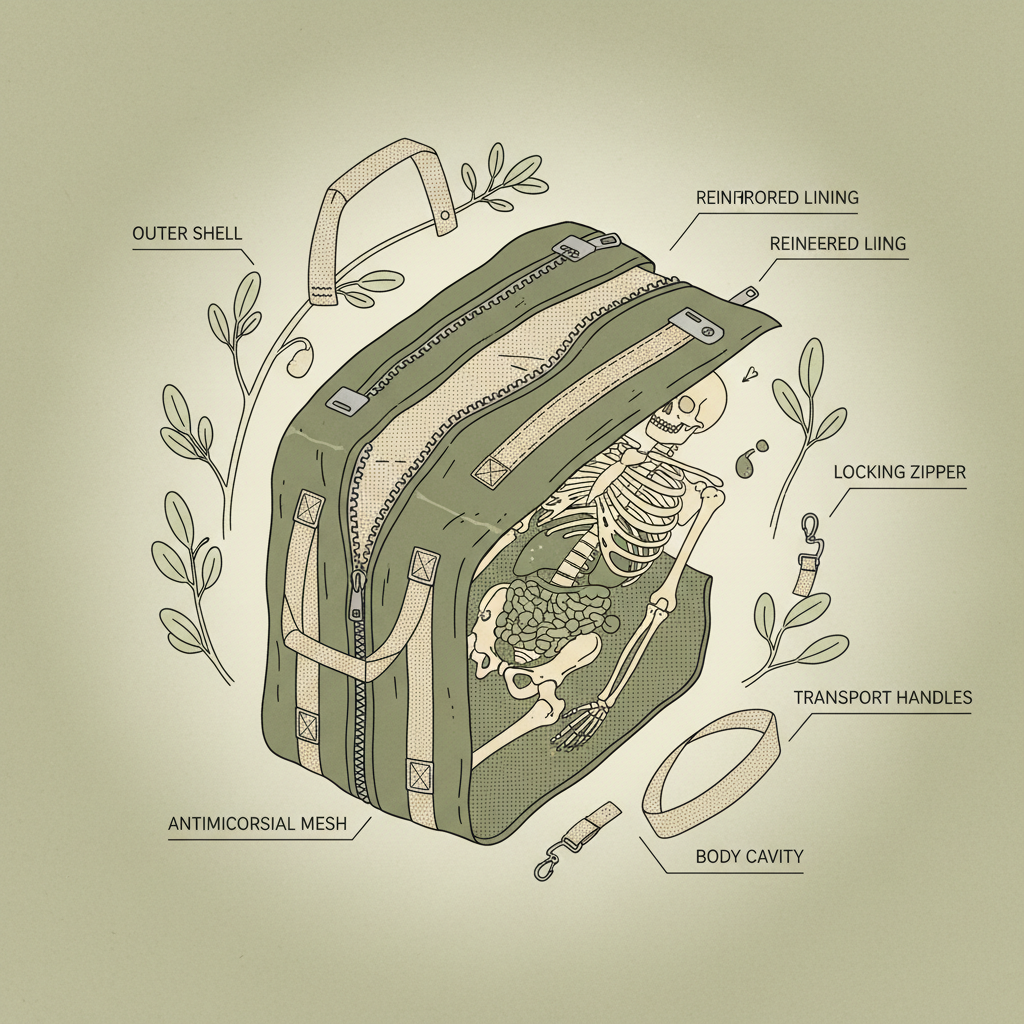
A shroud kit pack is a comprehensive, pre-packaged collection of materials designed for the dignified and hygienic handling of deceased individuals. Typically, it includes a body bag or shroud (often made of biodegradable materials), personal protective equipment (PPE) for responders, identification tags, absorbent materials for fluid containment, documentation forms, and often, disinfecting solutions.
These kits are engineered to meet international standards for biohazard control and ensure the safety of personnel handling the deceased. They are often designed for ease of transport and deployment, making them ideal for use in remote locations or emergency situations. The goal is to provide a complete solution that minimizes risks and upholds ethical considerations throughout the entire process. A well-designed shroud kit pack minimizes logistical hurdles during incredibly stressful situations.
The relevance of shroud kit packs extends beyond disaster relief. They are crucial in forensic science, search and rescue operations, and even in healthcare facilities for managing deceased patients. The standardization offered by these kits facilitates data collection, evidence preservation, and proper chain of custody procedures.
Key Components and Considerations
Several key factors contribute to the effectiveness of a shroud kit pack. Durability is paramount; the materials must withstand harsh conditions and prevent leakage. Completeness ensures all necessary items are included, reducing the need for improvisation in stressful situations. Portability is vital for rapid deployment to remote locations.
Biohazard Control is non-negotiable; kits must comply with stringent safety standards to protect responders. Biodegradability, where appropriate, offers an environmentally responsible option. Finally, Documentation capabilities, including identification tags and record-keeping forms, are critical for legal and ethical considerations.
Shroud Kit Pack Component Importance
Global Applications and Use Cases
In post-disaster relief operations, such as the aftermath of earthquakes or tsunamis, shroud kit packs are indispensable for managing the overwhelming number of fatalities. Organizations like the International Committee of the Red Cross (ICRC) frequently deploy these kits to provide dignified treatment to the deceased and support local authorities.
In remote industrial zones or conflict areas where access to medical facilities is limited, shroud kit packs enable safe and respectful handling of remains. Forensic teams rely on these kits to preserve evidence and maintain the chain of custody during investigations.
Advantages and Long-Term Value
The advantages of utilizing shroud kit packs are multifaceted. From a cost perspective, pre-packaged kits eliminate the need for ad-hoc sourcing of supplies during emergencies, reducing logistical expenses and delays. The use of biodegradable materials promotes sustainability and minimizes environmental impact.
More importantly, shroud kit packs contribute to the social impact of disaster response by ensuring the dignity of the deceased and providing psychological support to affected communities and responders. They instill trust in the handling of sensitive situations and demonstrate a commitment to ethical practices.
Future Trends and Innovations
Ongoing research is focused on developing more sustainable and biodegradable materials for shroud kit components. Digital integration, such as RFID tagging for identification and tracking, is also being explored. The use of automated systems for body handling and storage, coupled with advanced disinfection technologies, may become more prevalent in the future.
Further innovation will likely focus on kits tailored to specific scenarios, such as mass fatality incidents or infectious disease outbreaks, optimizing their contents and functionality. The incorporation of remote monitoring and data analysis could also enhance logistical efficiency and improve response capabilities.
Factors Influencing Shroud Kit Pack Effectiveness
| Kit Contents |
Deployment Speed |
Responder Training |
Regulatory Compliance |
| Completeness and quality of materials (shroud, PPE, etc.) |
Time taken to unpack and deploy the kit for immediate use. |
Level of training responders have on proper kit usage and protocols. |
Adherence to international and local regulations regarding deceased handling. |
| Biodegradability and environmental impact of components. |
Weight and portability of the kit for rapid transport. |
Frequency of refresher training for maintaining competency. |
Documentation and traceability of kit components. |
| Durability and resistance of materials to harsh conditions. |
Ease of use and intuitive design of the kit contents. |
Availability of clear and concise operating procedures. |
Compliance with biohazard waste disposal regulations. |
| Cost-effectiveness and value for money. |
Packaging design for easy access and organization. |
Simulation exercises for practical application. |
Adherence to cultural sensitivities regarding deceased handling. |
| Availability of replacement components and refills. |
Storage conditions to maintain kit integrity. |
Certification of responders in safe handling practices. |
Verification of kit contents and expiration dates. |
| Customization options for specific needs and scenarios. |
Accessibility and ease of retrieval in emergency situations. |
Ongoing evaluation of training effectiveness. |
Regular audits to ensure compliance and quality control. |
FAQS
The shelf life of a shroud kit pack varies depending on the components, but generally ranges from 2-5 years. It’s crucial to store the kit in a cool, dry, and dark place, away from direct sunlight and extreme temperatures. Regular inspections are recommended to check for expired items like PPE or disinfectant solutions. Maintaining proper storage ensures the kit remains functional and effective when needed. The components such as PPE can degrade faster than others, and require monitoring more often.
Reputable shroud kit packs are designed to meet international standards set by organizations like the WHO and ICAO for the transport of human remains. Compliance includes requirements for containment, disinfection, and documentation. It’s important to verify that the kit you choose adheres to the specific regulations of the countries you intend to deploy it in, as local regulations can vary. Look for certifications and statements of compliance from the manufacturer.
Personnel should receive comprehensive training on proper deceased handling procedures, including the use of PPE, biohazard control, and respectful treatment of remains. Training should also cover the specific contents of the shroud kit pack and their correct application. Refresher courses are vital to maintain competency. Practical exercises and simulations are beneficial for building confidence and ensuring preparedness.
Yes, an increasing number of manufacturers now offer shroud kit packs with biodegradable components, such as shrouds made from natural fibers and compostable waste bags. These options minimize the environmental impact and align with sustainable practices. While these materials may have a higher cost, they represent a responsible choice for organizations prioritizing environmental stewardship. Ensure the biodegradable components are certified and meet relevant standards.
Many suppliers offer customization options for shroud kit packs, allowing organizations to tailor the contents to their specific needs. This could include adding specialized equipment, adjusting the quantity of certain items, or incorporating language-specific documentation. Customization ensures the kit is perfectly suited to the unique challenges of the deployment environment. Contacting the supplier directly to discuss your requirements is recommended.
Used items from a shroud kit pack should be disposed of in accordance with local and international regulations for biohazardous waste. This typically involves incineration or autoclaving, depending on the specific materials and local guidelines. Proper disposal is crucial for preventing the spread of infection and protecting public health. Consult with local authorities and follow established protocols for biohazard waste management.
Conclusion
Shroud kit packs represent a vital component of modern disaster preparedness, forensic science, and humanitarian aid. By providing a standardized, dignified, and safe method for handling deceased individuals, these kits address critical logistical and ethical challenges. Their use not only protects responders and communities but also upholds the fundamental respect owed to every human being, even in death. Investing in and deploying effective shroud kit packs demonstrates a commitment to responsible and compassionate care.
As global challenges continue to escalate, the importance of well-equipped and properly utilized shroud kit packs will only grow. Continued innovation in materials, design, and training, coupled with adherence to international standards, will further enhance their effectiveness. Visit our website at www.heleegarment.com to learn more about our comprehensive range of shroud kit packs and solutions.