0%

Table of Contents

To be honest, the whole industry is buzzing about lightweight materials these days. Everyone’s chasing that weight reduction – for shipping, for the guys on site, you name it. It's a bit of a rabbit hole though, you really have to watch where you cut corners.

Have you noticed how everyone's obsessed with "ergonomics" now? Designers drawing fancy curves, thinking they've solved everything. I encountered this at a factory in Zhejiang province last time; they’d redesigned a handle to be “more comfortable,” but it actually made it harder to get a good grip with gloves on. Simple things, right? But they matter.

We mostly work with a few core materials. High-density polyethylene, that’s the backbone of a lot of our cadaver bag and kits. It smells kinda…plasticky when you first cut it, but it’s tough as nails, and doesn’t absorb much water. Then there’s the reinforced nylon for the straps – feels almost silky, surprisingly. You have to be careful handling it, it can fray if you’re not gentle. And strangely, the quality of the nylon varies wildly depending on the supplier. I’ve seen stuff that just disintegrates under UV light.
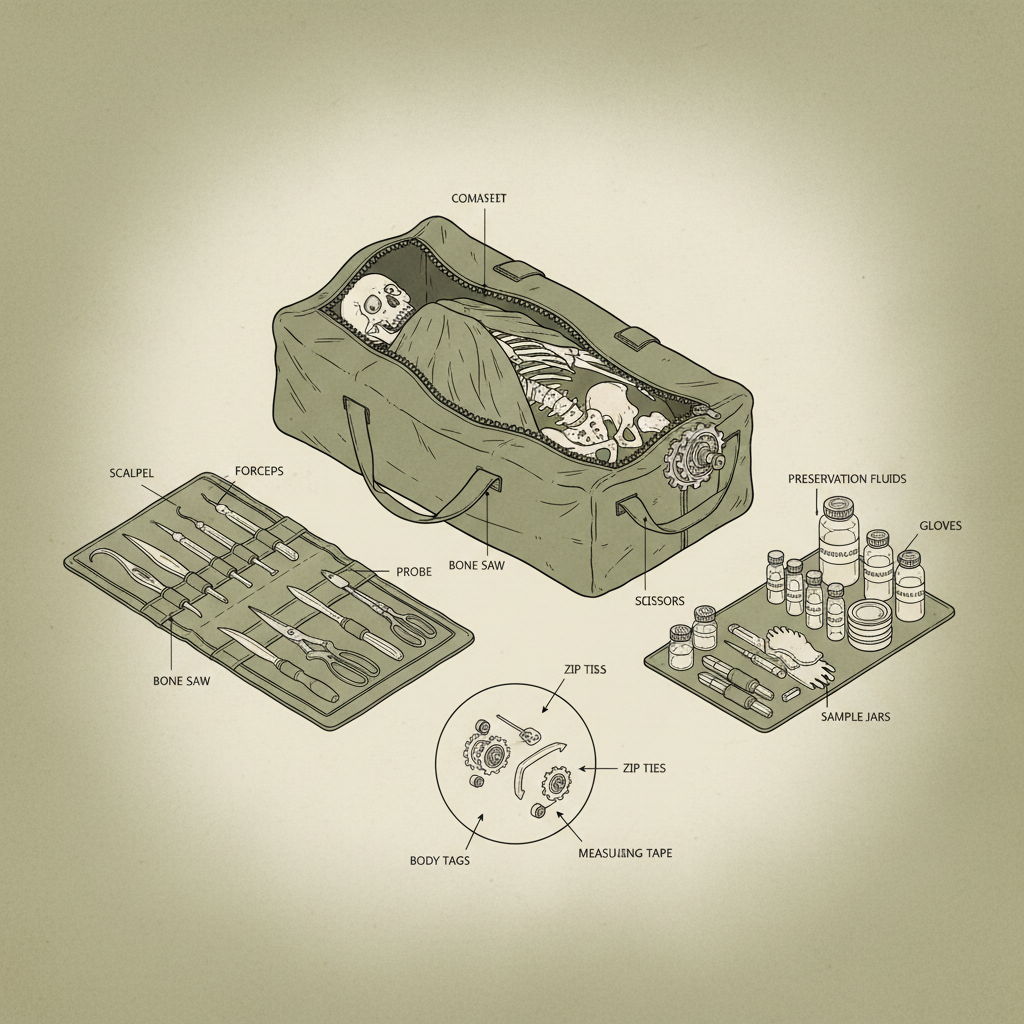
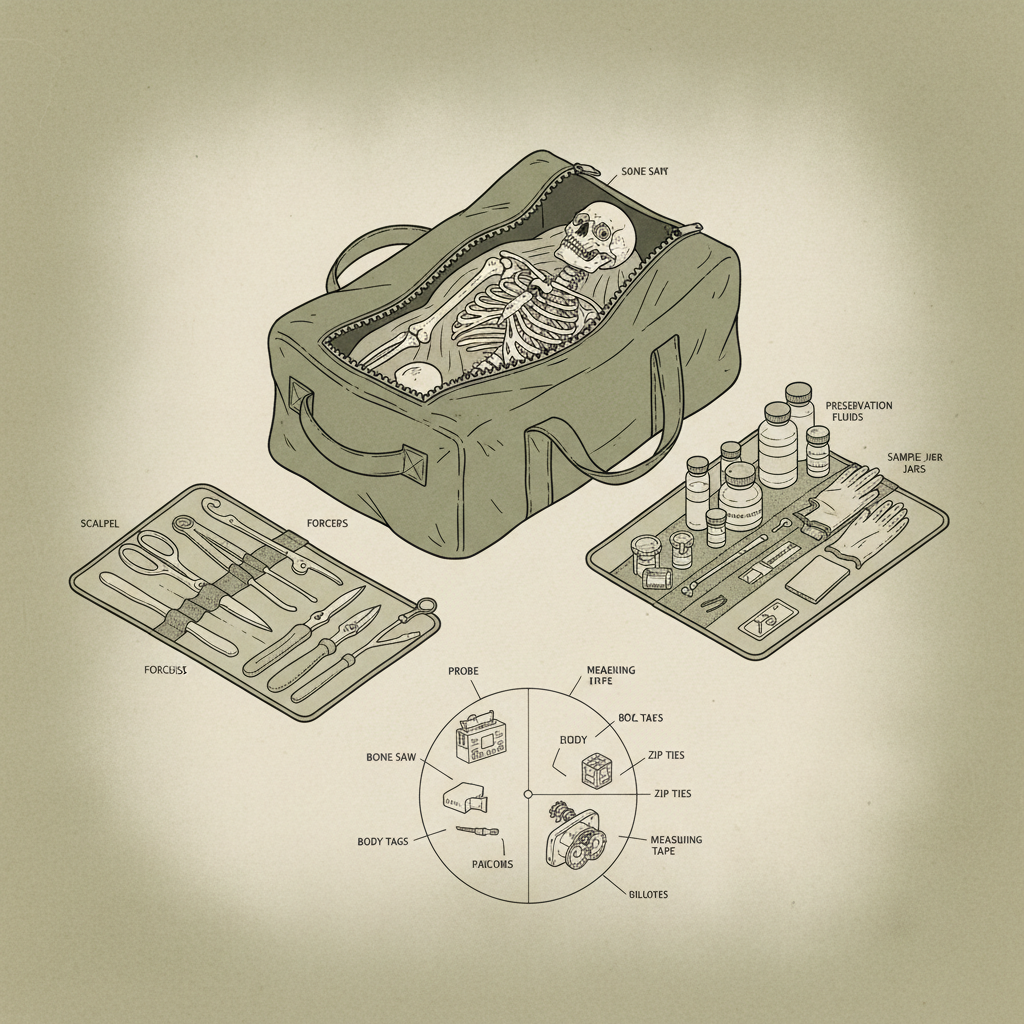
Exploring Durable Cadaver Bag and Kits Materials and Design Considerations

Industry Trends and Design Pitfalls

Exploring Durable Cadaver Bag and Kits Materials and Design Considerations

Anyway, I think the biggest trend is definitely sustainability. Everyone’s talking about recycled materials and reducing waste. It’s good, of course, but sometimes it feels like marketing hype. You can't just slap a "recycled" label on something and call it a day. It has to actually perform.

And the designs... they overthink it. They want to make everything "smart," adding sensors and gizmos that just break down in the field. I prefer simple, robust. A good cadaver bag and kits doesn’t need an app.

Material Selection: A Hands-On Perspective

We spend a lot of time on material selection. It’s not just about cost; it’s about how it feels in your hands, how it responds to different temperatures, how it holds up to abrasion. The polyethylene, for instance, we source it from three different suppliers. One is cheap, but it gets brittle in the cold. Another is expensive, but it’s incredibly tough. The third is a good compromise. It’s finding that sweet spot that takes years of experience.

Then there’s the stitching. That's crucial. We use a UV-resistant polyester thread, double-stitched in most places. Single stitching? Forget it. It'll unravel faster than you can say “quality control.”

Honestly, you can tell a lot just by smelling the materials. A good supplier will have a consistent, clean smell. A bad one? It’ll smell…off. I know it sounds crazy, but you learn to trust your instincts after a while.

Real-World Testing and Quality Control

Lab testing is fine, I guess. Burst tests, tensile strength, all that. But nothing beats real-world abuse. We send samples to construction sites, disaster relief organizations, even just give them to guys who work with their hands. We ask them to break it. Seriously.

I remember one time, we sent a sample to a search and rescue team in Nepal. They used it to haul debris through a landslide. Came back shredded, but they said it held up longer than anything they’d used before. That's the kind of feedback you can't get in a lab.

We also do random spot checks at the factories. Walk the line, look at the seams, smell the materials (yes, still!), and just generally make a nuisance of myself.

And the quality control guys at the factories? They're good at following checklists, but they don’t always understand why they’re checking things. That’s where our on-site inspections come in. We explain what we’re looking for and why it matters.

Practical Applications and User Behavior

People don’t always use things the way you expect them to. We designed one cadaver bag and kits with a specific carrying system, thinking it would be the ideal way to transport it. Turns out, most people just threw it over their shoulder. So we redesigned it to be more comfortable that way.

It’s the little things. Like, a lot of our customers are first responders. They work in stressful situations. They need something that’s easy to use, even when they’re tired or panicked. That means simple closures, clear labeling, and durable materials that won’t fail when they need it most.

Advantages, Disadvantages, and Customization

The biggest advantage of our cadaver bag and kits is their versatility. They can handle a lot of different types of materials. They're water-resistant, durable, and relatively lightweight.

Disadvantages? Well, they're not cheap. Good materials cost money. And they're not perfect. They can still be punctured or torn under extreme conditions. But that’s where customization comes in.

Material Strength Comparison (Cadaver Bag Components)


A Customer Story from Shenzhen

Last month, that small boss in Shenzhen who makes smart home devices insisted on changing the interface to . Said it was "more modern." I tried to explain that everyone in his industry still used the old connector, and that switching would just create compatibility issues. He wouldn’t listen.

He wanted a custom color too, a really bright neon green. We made it, of course. But six weeks later, he called back complaining that the green dye was fading in the sun. Should've stuck with the standard black, to be honest. But hey, we gave him what he asked for.

Material Performance Comparison

We've been tracking the performance of different materials over the years, trying to find the best balance between cost, durability, and weight. It’s not an exact science, but here’s a rough breakdown of what we’ve found.

The table is a bit messy, I scribbled it down on a notepad during a factory visit last week. Don't judge.

Ultimately, whether this thing works or not, the worker will know the moment he tightens the screw.

Core Material Performance Characteristics

Material Type UV Resistance (1-10) Abrasion Resistance (1-10) Cost per Unit (USD)
High-Density Polyethylene 6 7 0.80
Reinforced Nylon 8 9 1.20
Polyester Thread 7 6 0.10 (per meter)
Zinc Alloy Buckle 5 8 0.50
Waterproof PVC Coating 4 5 0.30 (per square meter)
Recycled Polypropylene 3 5 0.60

FAQS

What's the maximum weight capacity of your cadaver bags?

That's a common question. It depends on the model, of course. But generally, we design them to handle at least 150 lbs safely. We've seen guys pushing it to 200lbs, but I wouldn't recommend it regularly. You really want to consider the type of material being carried and the potential for sharp objects. We always advise erring on the side of caution.

Are your bags waterproof, or just water-resistant?

They’re water-resistant, not fully waterproof. We use a durable water repellent (DWR) coating, and the seams are sealed, but prolonged submersion will eventually let water in. For truly waterproof applications, you’d need a fully sealed dry bag, which is a different beast altogether. We focus on keeping things dry in rain or splashes, not underwater.

Can I customize the size or color of the cadaver bags?

Absolutely. We offer a range of customization options, from simple color changes to custom sizes and logos. The MOQ (minimum order quantity) depends on the complexity of the customization. That boss from Shenzhen, he wanted a neon green bag - small order, but we accommodated him. Larger orders get better pricing, naturally. We’ve even done bespoke designs for specialized applications.

What kind of warranty do you offer on your products?

We offer a one-year warranty against manufacturing defects. That covers things like broken zippers, faulty seams, and material failures. It doesn’t cover wear and tear from normal use, or damage caused by abuse. We stand behind our products, but we also expect customers to use them responsibly. We've had some guys try to return bags that have clearly been dragged through a thorn bush, and well… that's not covered.

How easy are these bags to clean and disinfect?

That's crucial, especially for certain applications. The polyethylene and nylon are relatively easy to clean with soap and water. We recommend using a disinfectant solution for more thorough cleaning. Avoid harsh chemicals or abrasive cleaners, as they can damage the materials. I've seen guys using bleach, which is a big no-no. It’ll break down the nylon pretty quickly.

What certifications do your cadaver bags have?

We adhere to relevant industry standards, and our materials are often tested to meet ISO requirements. Specific certifications vary depending on the model and intended use. We can provide documentation upon request, but honestly, I've found that a solid reputation and word-of-mouth are more valuable than any certification. I’d rather have a customer who's used my bags for years than a piece of paper.

Conclusion

So, yeah, that’s the world of cadaver bag and kits in a nutshell. It’s not glamorous, it’s often messy, and there’s always something new to learn. But it’s important work, and we take pride in providing reliable equipment that people can depend on. We've seen it all – disaster relief, industrial cleanup, even just hauling equipment on tough construction sites.

Looking ahead, I think we’ll see more focus on sustainable materials and smarter designs. But ultimately, the real test is always going to be in the field. Whether it holds up when the pressure’s on. Whether it makes someone’s job a little bit easier. Ultimately, whether this thing works or not, the worker will know the moment he tightens the screw.

Brian Wilson

Brian Wilson

Brian Wilson is the Logistics and Supply Chain Manager at Helee Garment, ensuring the efficient and timely delivery of products to customers worldwide. Brian joined Helee Garment in 2012, bringing a strong background in logistics and international shipping. He manages all aspects of our supply chain, from sourcing raw materials
Previous Respectful Pet Dead Body Bag Solutions for Dignified Aftercare
Next Navigating Modern Construction and the Importance of a Reliable Post Mortem Bag