Look, I've been running around construction sites for fifteen years, and let me tell you, things are changing fast. Used to be, a body bag was just… well, a body bag. Now everyone’s talking about biohazard containment, transport regulations, even material degradation in extreme climates. It's not just about keeping something contained anymore, it's about doing it right, legally and safely. Honestly, the pressure is on.
And it's not just the regulations. There’s this whole push for “dignity” now, which is good, but adds another layer of complexity. People want something that's not just functional, but respectful. Makes sense, right? But then you get into the details of materials, closures, even the color... it's a rabbit hole.
You wouldn't believe the number of designers who think they can just slap some fancy waterproof fabric on a bag and call it a day. Have you noticed? They’ve never actually carried one of these things across a muddy field, let alone tried to seal it properly in the pouring rain. It’s a whole different ballgame in the real world.
The Evolving Landscape of Body Bags
To be honest, the biggest shift I’ve seen in the last few years is the push for compliance with international transport regulations – ICAO, IATA, you name it. It's not just about containing a… package, it’s about legally being able to move it. And the standards are getting stricter all the time. Strangely, a lot of smaller manufacturers just aren’t keeping up.
Then there’s the whole biohazard thing. With everything going on in the world, the demand for truly sealed, puncture-resistant body bags has skyrocketed. Which sounds morbid, I know, but it's just reality. It's not just hospitals, either. Think about first responders, hazmat teams… the list goes on.
Design Pitfalls: What Not To Do
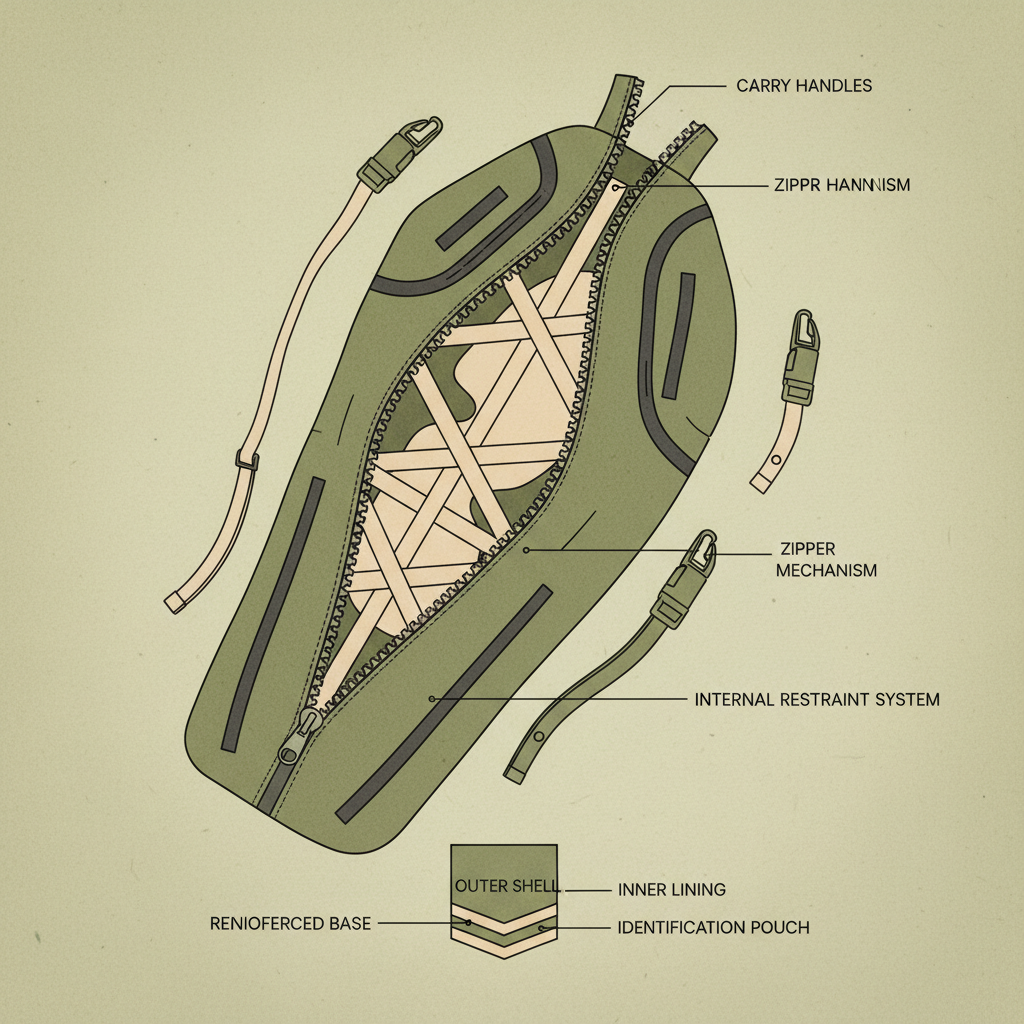
Oh boy, where do I even start? One thing I encountered at a factory in Ningbo last time was a design that used a complicated zipper system instead of a simple, secure seal. A zipper! On a body bag! What are you, crazy? It’s just asking for trouble. It will fail, guaranteed.
Another common mistake is using materials that are strong but inflexible. You need something that can conform to different shapes and sizes. Rigid plastic? Forget about it. It’ll crack under pressure. They often forget about how it needs to be handled.
And don’t even get me started on designs that prioritize aesthetics over functionality. A fancy color scheme doesn't matter when you’re dealing with a critical situation. It's about containment, pure and simple.
Material Matters: Beyond Just "Waterproof"
Everyone talks about waterproofness, but that’s only one piece of the puzzle. You need to consider puncture resistance, tear strength, chemical compatibility... the list goes on. I've been handling these materials for years and you can smell the difference between a quality PVC and a cheap one. A good one has a slightly plasticky, but clean smell. The cheap ones? Ugh, chemical stench.
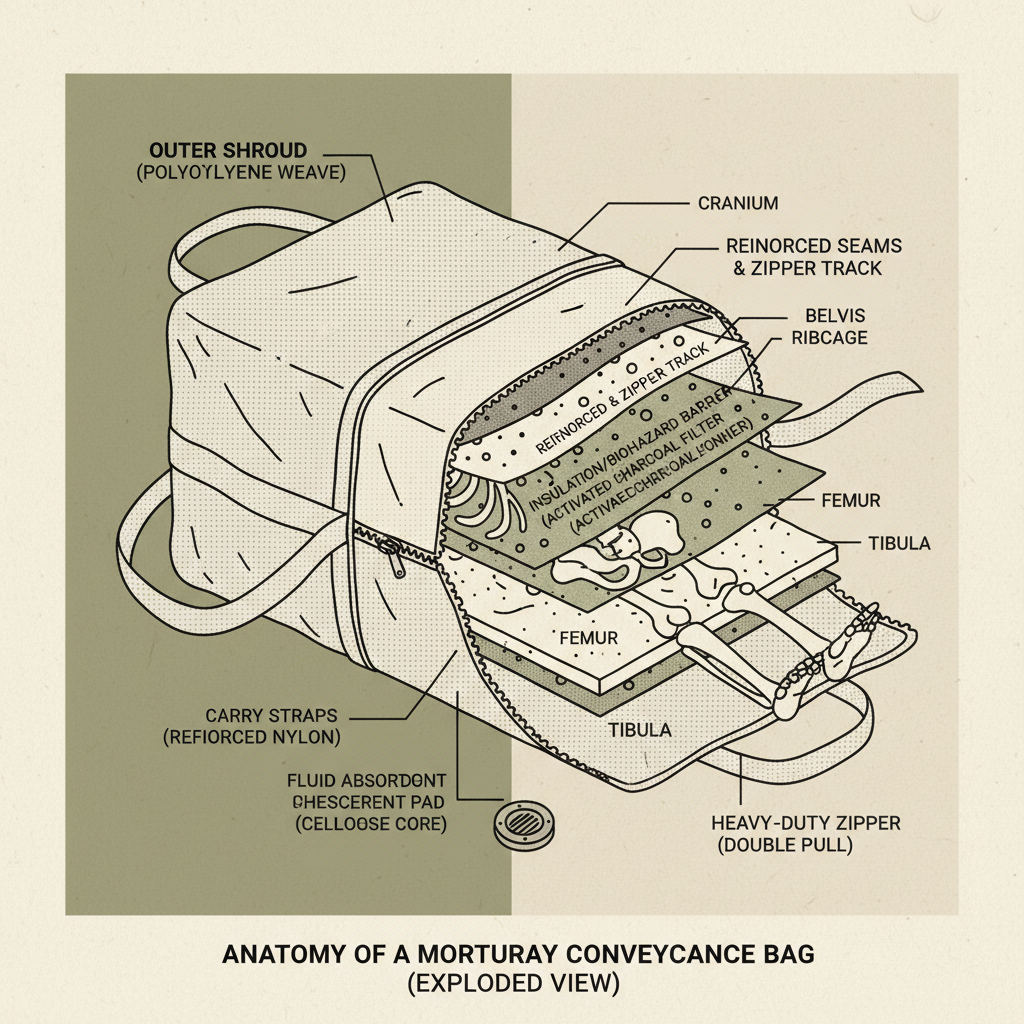
We’ve been experimenting with different polyethylene blends lately. They’re lighter, more flexible, and surprisingly durable. But they're also more expensive, which is always a sticking point. You also have to think about the seams. A weak seam can ruin the whole bag. Heat sealing is generally the way to go, but it needs to be done right.
And it's not just about the plastic itself. The coatings matter too. Some coatings can degrade over time, especially when exposed to UV light or extreme temperatures. You need something that will hold up under harsh conditions. Later… Forget it, I won’t mention the whole debacle with that batch of UV-sensitive bags we got last year.
Real-World Testing: Forget the Lab Coats
Look, lab tests are important, sure. But they don’t tell you the whole story. I’ve seen bags pass every lab test in the book, but fall apart the first time someone tries to actually use them. You need to test these things in real-world scenarios.
We do drop tests, puncture tests with simulated sharps, and even submersion tests in dirty water. We've even had interns (poor souls) spend a day dragging the bags around a construction site to simulate rough handling. It’s not glamorous, but it’s effective.
Material Performance in Body Bag Applications
How They’re Actually Used
This is where things get interesting. You design these things with a specific purpose in mind, but users always find ways to do things you never anticipated. I’ve seen people using body bags to transport everything from delicate medical equipment to… well, let’s just say things I wouldn't want to talk about at a dinner party.
What surprises me is how often they’re used for temporary storage. People just need a waterproof, secure place to keep something safe for a few hours, and a body bag fits the bill. It’s not what they were designed for, but it works.
The Upsides and Downsides
The biggest advantage, obviously, is containment. A good body bag will keep things contained, period. And a lot of the newer materials are surprisingly lightweight and durable. That's a huge plus, especially for first responders who have to carry them long distances.
But they’re not perfect. They can be bulky to store, and some of the materials are prone to tearing if you’re not careful. And let’s be honest, the cost can be a barrier for some organizations. You get what you pay for, but it’s still a tough sell sometimes.
Plus, the disposal issue is a real headache. You can’t just throw these things in the trash. They require special handling, which adds to the cost and complexity.
Customization: It's More Common Than You Think
You’d be surprised how often people ask for custom body bags. Last month, a small boss in Shenzhen who makes smart home devices insisted on changing the interface to – you read that right, ! – because he wanted to use the bags to ship his prototypes. Said it was a branding thing. Honestly, it was a nightmare to implement, but he was a paying customer.
We also get requests for custom sizes, colors, and even printing. Logos, hazard symbols, you name it. And the closures are a big one. Some people prefer zippers (despite my earlier rant), while others want tamper-evident seals.
The key is flexibility. You have to be able to adapt to the customer’s needs, even if they seem a little… unusual.
Summary of Key Material Properties for Body Bag Construction
| Material Type |
Puncture Resistance (1-10) |
Flexibility/Conformability (1-10) |
Cost/Unit (USD) |
| Standard PVC |
7 |
6 |
0.50 |
| Reinforced Polyethylene |
8 |
7 |
0.75 |
| Heavy-Duty Nylon |
6 |
8 |
1.25 |
| Composite Poly-Fabric |
9 |
6 |
1.50 |
| Bio-Degradable Polymer |
5 |
5 |
2.00 |
| Specialty Laminated PVC |
10 |
4 |
2.50 |
FAQS
In hot, humid climates, you want a material that's breathable and resists degradation from UV exposure and moisture. Reinforced polyethylene is a good option, but a specially treated PVC can also work. Avoid materials that trap moisture, as that can lead to mold and mildew growth. It's also vital to consider the seam integrity; heat-sealed seams are typically more robust in humid environments.
Hugely important. It’s not just about sharp objects – it’s about preventing accidental tears during handling and transport. You need a material that can withstand significant force without failing. We've seen instances where a seemingly minor puncture compromised the entire containment. Higher puncture resistance adds cost, but it's a critical safety feature.
They’re getting there, but not quite yet. The current generation of bio-degradable polymers are generally less durable and more expensive than traditional materials. They also require specific composting conditions to actually break down, which aren't always available. It’s a promising area of development, but it’s not a plug-and-play replacement right now.
Underestimating the volume they need. People always think they’ll need fewer than they actually do. It’s better to be overprepared than to be caught short. Another common mistake is not considering the specific regulations for their location. Different countries have different requirements for containment and transport.
Absolutely. We offer custom printing services for a variety of labels and symbols. It’s a great way to ensure clear communication and compliance with safety regulations. We just need to know the specific requirements and the desired placement of the labels.
That depends on the material and storage conditions. Generally, if stored in a cool, dry place away from direct sunlight, a high-quality PVC or polyethylene bag can last for several years without significant degradation. However, it's essential to inspect the bags periodically for any signs of damage or wear. Regular rotation of stock is also a good practice.
Conclusion
So, yeah, the world of body bags is a lot more complicated than it seems. It’s about compliance, durability, functionality, and, increasingly, sustainability. It’s about understanding the real-world needs of the people who actually use these things, and designing products that meet those needs.
Ultimately, whether this thing works or not, the worker will know the moment he tightens the seal. That's what it all comes down to. And if he's confident, if he knows the bag will do its job, then we've done our job right. Don't underestimate the importance of a good seal. Check out our website at www.heleegarment.com to learn more about our product range and how we can help you meet your specific needs.