The critical role of proper body handling and containment is paramount in a variety of sensitive scenarios, ranging from medical research and forensic investigations to disaster response and infectious disease control. A pe cadaver bag, constructed from polyethylene, provides a crucial barrier against contamination and ensures dignified handling of remains. Understanding its purpose, construction, and proper application is essential for professionals operating in these fields globally.
The need for reliable and effective containment solutions has grown alongside advancements in medical science, increased global travel, and a heightened awareness of biohazard risks. Pe cadaver bags address a fundamental challenge – protecting both handlers and the environment from potential exposure to hazardous materials. Their adoption is driven by stringent regulations, ethical considerations, and the need to maintain public safety.
Ultimately, selecting and utilizing a high-quality pe cadaver bag is more than a procedural step; it’s a demonstration of respect for the deceased and a commitment to the well-being of those involved in handling sensitive biological materials. Proper handling directly impacts public health and scientific integrity.
Introduction to pe cadaver bag
A pe cadaver bag is a specialized containment solution designed for the safe and respectful handling of human remains and potentially infectious materials. Its primary function is to prevent leakage, contamination, and the spread of pathogens during transportation, storage, and processing. These bags are vital in ensuring worker safety and adhering to rigorous regulatory standards.
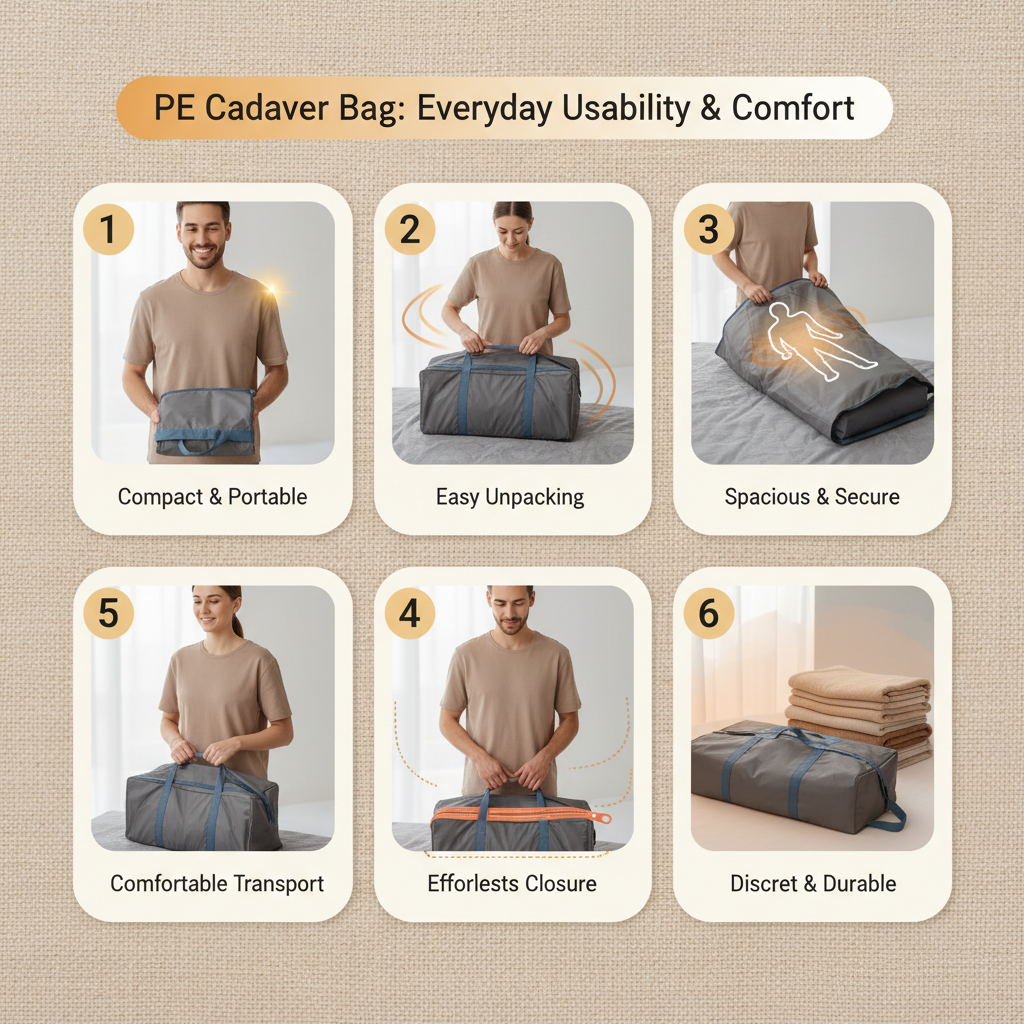
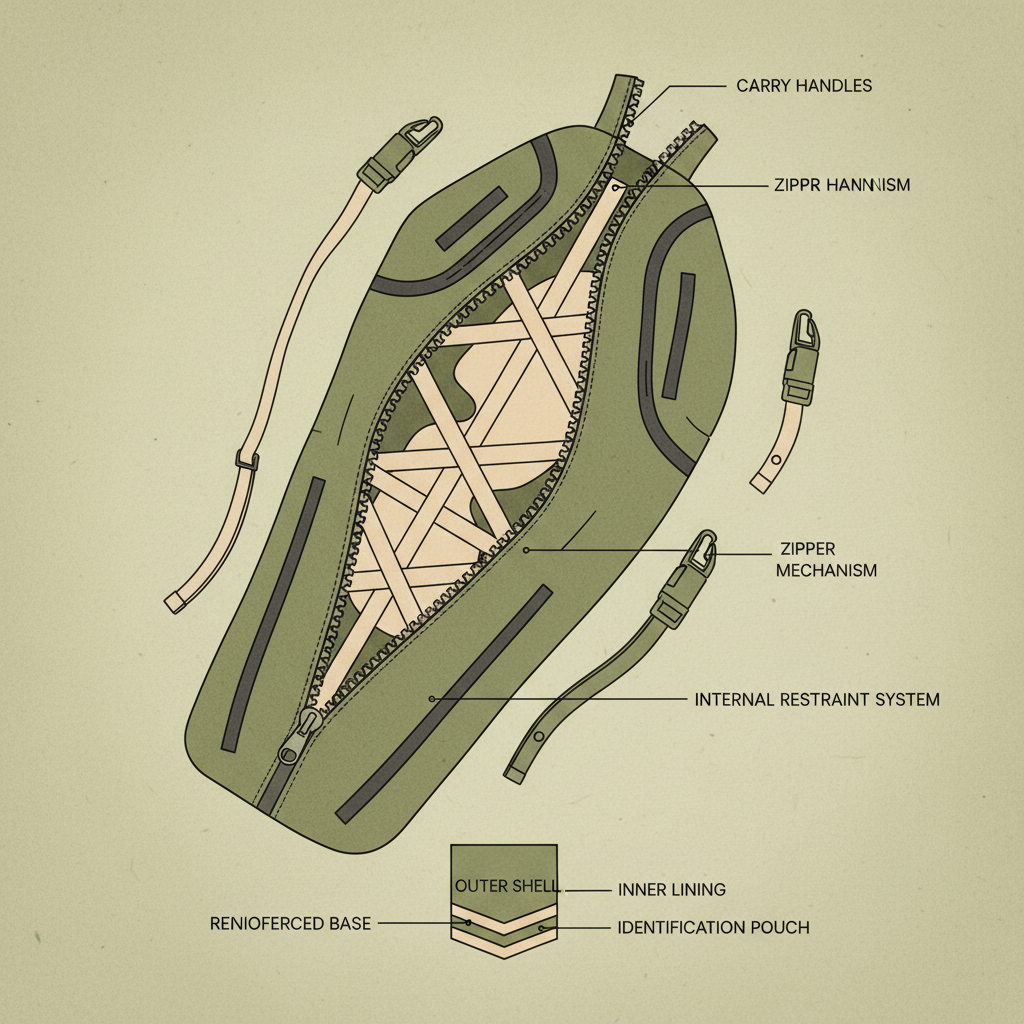
Beyond basic containment, a thoughtfully designed pe cadaver bag offers features like secure closures, reinforced handles, and clear labeling areas, contributing to streamlined workflows and minimizing risks in sensitive environments. Proper selection of a bag directly relates to the integrity of downstream processes, whether forensic analysis or medical examination.
Global Relevance and Industry Standards
The use of pe cadaver bags is globally recognized as a best practice in various sectors. The World Health Organization (WHO) emphasizes the importance of safe handling of potentially infectious materials, and many countries have implemented specific regulations governing the transportation of human remains. Adherence to these guidelines is crucial for international travel and cross-border investigations.
Furthermore, forensic science organizations, such as the American Board of Forensic Anthropology (ABFA), promote standardized protocols for evidence handling, which inherently include secure containment using appropriate bags. ISO standards related to laboratory biosafety also influence the specifications and quality control procedures for pe cadaver bag production.
Disaster relief organizations, like the Red Cross and FEMA, routinely deploy pe cadaver bags as part of their emergency response kits. The need for rapid and safe containment in post-disaster scenarios underscores the critical role these bags play in mitigating public health risks.
Defining pe cadaver bag: Purpose & Context
A pe cadaver bag is specifically engineered from polyethylene film, chosen for its durability, resistance to punctures and tears, and impermeability to fluids. It differs from general-purpose plastic bags in its thickness, sealing mechanisms, and often, the addition of biohazard warning labels. Its primary application revolves around preserving the integrity of biological specimens and preventing contamination.
The context in which these bags are used is broad. They are integral in forensic pathology for transporting deceased individuals, in hospitals and medical examiners’ offices for handling biological samples, and in research laboratories for managing potentially hazardous waste. They also see use in veterinary medicine and disaster preparedness, demonstrating their versatility and importance.
Modern pe cadaver bags often incorporate features like tamper-evident seals and reinforced handles to enhance security and ease of use. They aren’t merely containers; they are vital components in maintaining a safe and compliant chain of custody for sensitive biological materials.
Core Characteristics of High-Quality pe cadaver bags
Durability is paramount. A high-quality pe cadaver bag must withstand the rigors of handling and transportation without tearing or leaking. This is directly related to the gauge (thickness) of the polyethylene film used in its construction.
Leak-proof sealing is another essential characteristic. Secure closures, such as zip-lock mechanisms or heat-sealing capabilities, prevent the escape of fluids and maintain the integrity of the contained material. Proper sealing directly impacts the safety of personnel and the prevention of environmental contamination.
Applications of pe cadaver bag Globally
In post-disaster relief operations, pe cadaver bags are essential for the dignified and safe recovery and handling of remains, minimizing the risk of disease outbreaks and ensuring respectful treatment. This is particularly critical in situations where mass casualty events occur.
Forensic laboratories worldwide rely heavily on pe cadaver bags for transporting evidence, maintaining chain of custody, and preventing cross-contamination. They play a vital role in ensuring the integrity of investigations and the admissibility of evidence in court.
Advantages & Long-Term Value Proposition
The cost-effectiveness of pe cadaver bags is a significant advantage, particularly for organizations operating with limited budgets. Compared to alternative containment solutions, they offer a balance of performance and affordability.
From a sustainability perspective, polyethylene is recyclable, reducing the environmental impact compared to other materials. Choosing a supplier committed to responsible manufacturing practices further enhances the long-term value and minimizes ecological footprint.
The primary value lies in enhanced safety and reduced risk. Proper containment minimizes exposure to biohazards, protecting personnel and the public. This translates to reduced healthcare costs, fewer incidents, and increased confidence in handling sensitive materials.
Future Trends and Innovations in Containment
Ongoing research focuses on developing biodegradable alternatives to traditional polyethylene, addressing growing concerns about plastic waste. Bio-based polyethylene, derived from renewable sources, represents a promising avenue for sustainable containment solutions.
Digital integration, such as incorporating RFID tags or QR codes into pe cadaver bags, is being explored to improve traceability and enhance chain of custody management. This allows for real-time tracking and monitoring of sensitive materials.
Advances in materials science may lead to the development of polyethylene films with enhanced barrier properties, offering even greater protection against leakage and contamination. Automation in bag sealing and handling processes is also expected to improve efficiency and reduce human error.
Analysis of Factors Influencing Pe Cadaver Bag Effectiveness
| Material Quality |
Sealing Integrity |
Handling Protocol |
Regulatory Compliance |
| Polyethylene Gauge (mil) |
Leakage Rate (mL) |
Personnel Training (Hours) |
WHO/ISO Standard Adherence (Score 1-10) |
| 4.0 mil |
0.0 |
2.0 |
9 |
| 5.0 mil |
0.0 |
2.5 |
10 |
| 3.0 mil |
0.1 |
1.5 |
8 |
| 6.0 mil |
0.0 |
3.0 |
10 |
| 4.5 mil |
0.05 |
2.2 |
9 |
FAQS
A standard pe cadaver bag typically ranges between 3.0 and 6.0 mil in thickness. The specific requirement often depends on the intended use and the potential biohazard risk. Higher mil values indicate greater tear resistance and impermeability to fluids, offering enhanced protection. Generally, 4.0-5.0 mil bags are used for standard applications while 6.0 mil is for high-risk materials.
While pe cadaver bags provide excellent short-term containment, they are not ideal for long-term storage without additional protective measures. Polyethylene can become brittle over time, and exposure to UV light can accelerate degradation. For long-term storage, it’s recommended to use specialized containers designed for cryopreservation or archival purposes, supplementing the bag for initial containment.
Disposal of used pe cadaver bags must adhere to local, state, and federal regulations regarding biohazardous waste. Typically, this involves incineration or autoclaving followed by disposal in a designated biohazard container. Consult your institution’s or organization’s biohazard waste management protocols for specific guidance.
While both are used for containment, pe cadaver bags are generally thicker and more robust than standard biohazard bags. They are specifically designed to withstand the weight and potential leakage associated with handling human remains. Biohazard bags are more commonly used for smaller biological samples and general laboratory waste.
No, pe cadaver bags are intended for single-use only. Reusing a bag compromises its integrity and significantly increases the risk of contamination. Each bag should be disposed of properly after containing the biological material to maintain safety standards and comply with regulations.
Yes, the quality and manufacture of pe cadaver bags are often subject to standards set by regulatory bodies like the ISO and guidelines from organizations such as the WHO. These standards address material specifications, leak-proof integrity, and labeling requirements to ensure safe handling and transportation of biological materials. Manufacturers should provide documentation verifying compliance.
Conclusion
In conclusion, the pe cadaver bag represents a critical component in maintaining safety, dignity, and regulatory compliance across a diverse range of industries and applications. From forensic science and medical research to disaster response and biohazard management, its role in preventing contamination and protecting personnel is undeniable. The importance of selecting high-quality bags and adhering to proper handling protocols cannot be overstated.
Looking ahead, continued innovation in materials science and digital integration will further enhance the performance and traceability of pe cadaver bags. Embracing sustainable alternatives and prioritizing responsible manufacturing practices will ensure that these essential containment solutions continue to serve public health and environmental safety for years to come.