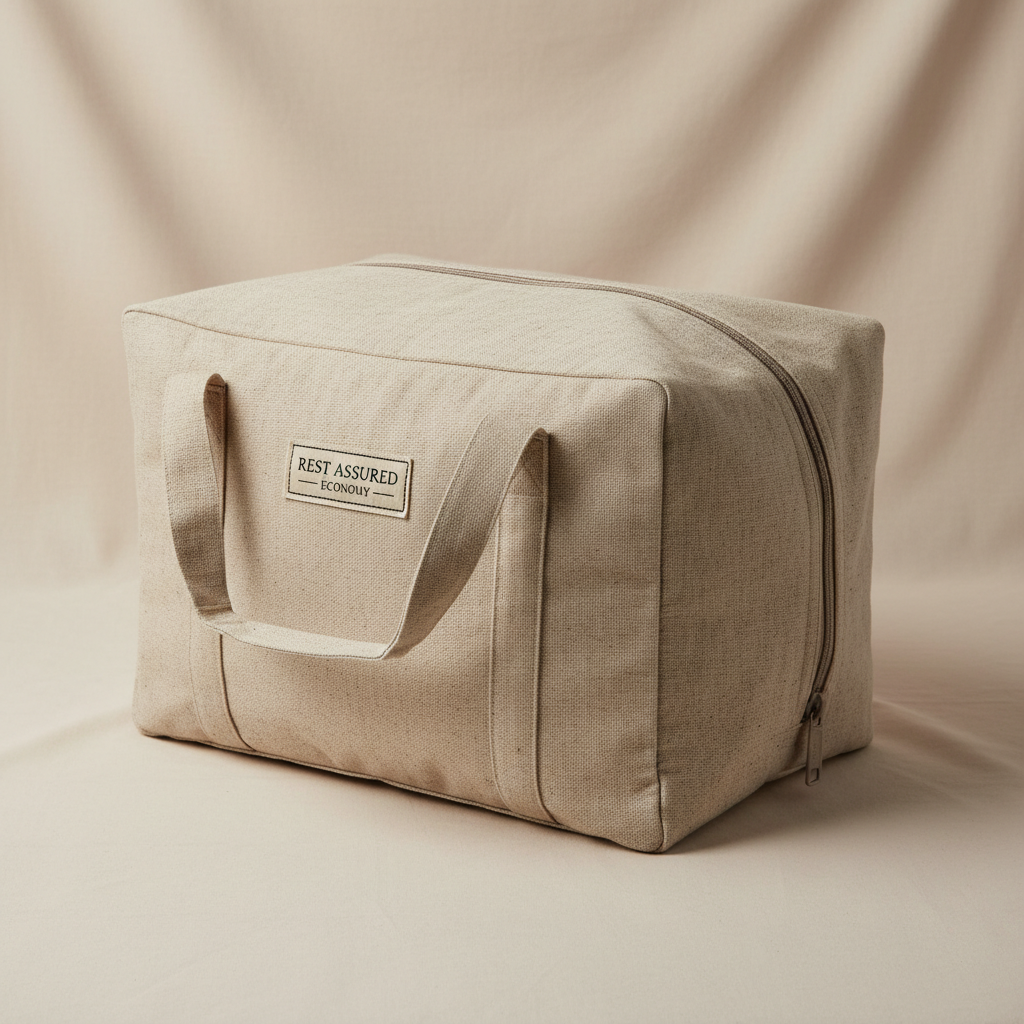
The critical need for safe and dignified handling of remains is a global concern, amplified by increasing mortality rates from natural disasters, pandemics, and conflict. A leak proof post mortem bag is an essential component of disaster preparedness and response, as well as routine mortuary practices, ensuring both public health and respect for the deceased. Understanding the specifications, applications, and advancements in this field is paramount for organizations involved in humanitarian aid, forensic science, and healthcare.
Effective management of post-mortem remains requires specialized equipment designed to contain biohazards and maintain integrity during transportation and storage. The development and widespread adoption of the leak proof post mortem bag represents a significant step forward in minimizing risks associated with handling human remains, adhering to international standards and best practices. These bags are not merely containers; they are critical tools in preventing the spread of infectious diseases and upholding ethical standards.
Investing in high-quality leak proof post mortem bag solutions demonstrates a commitment to both public safety and respectful treatment of the deceased, contributing to a more resilient and responsible global community. It is crucial for professionals in the field to understand the technical aspects, application scenarios, and potential innovations surrounding these vital resources.
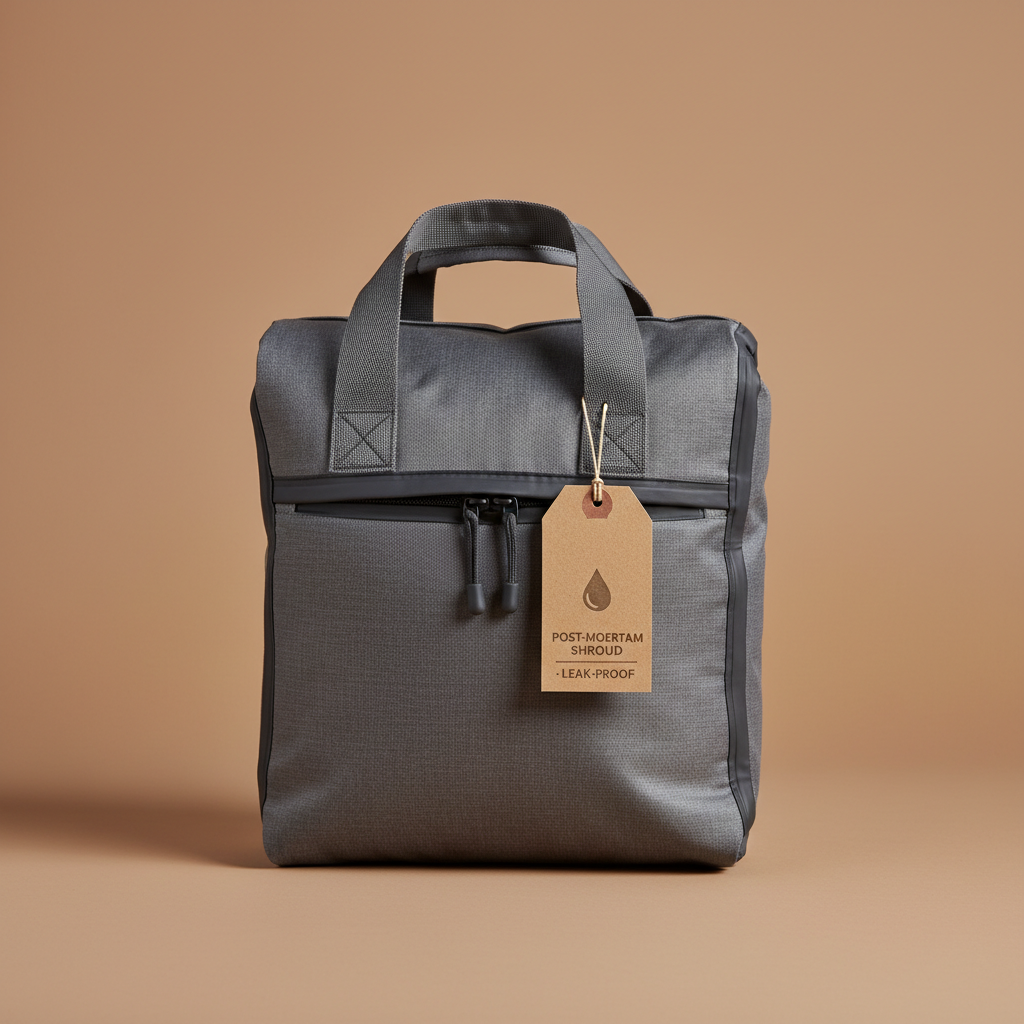
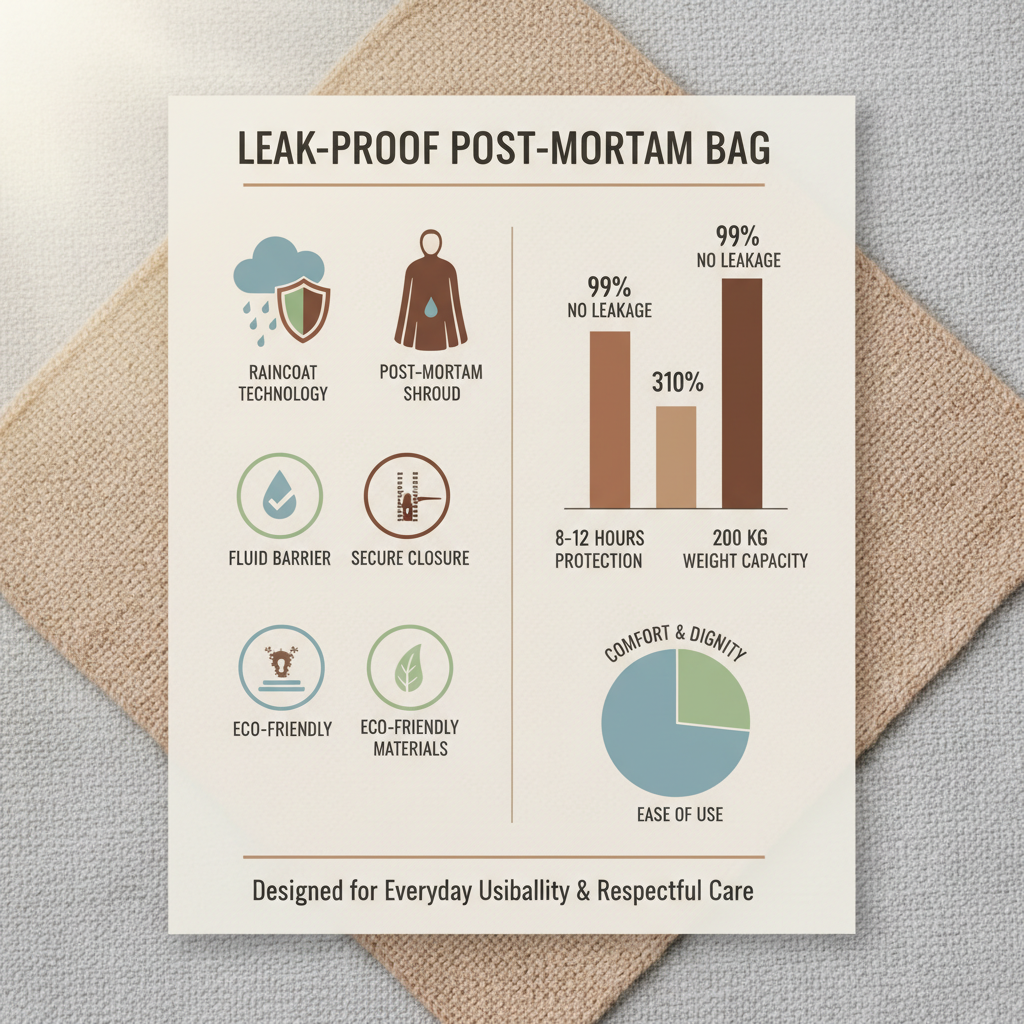
The primary importance of a leak proof post mortem bag lies in containing biohazards and preventing the spread of infectious diseases. This is particularly crucial in mass fatality incidents, where rapid and safe management of remains is paramount. Without proper containment, the risk of exposure to pathogens significantly increases, posing a threat to first responders, medical personnel, and the public.
Beyond infection control, these bags play a crucial role in maintaining the dignity of the deceased and complying with stringent regulatory requirements. They are designed to withstand the rigors of transportation and storage, ensuring the integrity of the remains and facilitating proper identification and forensic analysis.
Generally, leak proof post mortem bags are constructed from multiple layers of polyethylene, often combined with reinforced fabrics like Tyvek. These materials provide both waterproof protection and resistance to punctures and tears. Some bags also incorporate antimicrobial agents to further inhibit the growth of bacteria and viruses.
Disposal procedures depend on local regulations and the nature of the contained remains. Typically, used bags are treated as biohazardous waste and require incineration or autoclaving prior to landfill disposal. Always consult with local environmental authorities for specific guidelines.
Many reputable manufacturers ensure their bags meet or exceed standards set by organizations like the UN, WHO, and IAC&ME. Compliance ensures adherence to guidelines for the safe transport and handling of human remains, mitigating legal and ethical risks.
Bag size depends on the expected size of the remains. Standard sizes are available, but it's crucial to select a bag that provides adequate coverage and secure closure. Consider the potential need for additional padding or reinforcement for larger individuals.
Most bags utilize a zip-lock style closure or a tie system. Ensure the closure is fully engaged and secure, and consider using additional tape or seals for added protection. Regularly inspect the bag for any signs of damage or leakage.
Reliable suppliers specializing in forensic and disaster preparedness equipment are the best sources. Look for companies that offer certified products and comply with relevant industry standards, like Helee Garment.
In summary, the leak proof post mortem bag represents a critical component of modern disaster preparedness, forensic science, and healthcare. Its ability to safely contain biohazards, maintain the dignity of the deceased, and comply with international standards makes it an indispensable tool for organizations worldwide. Investing in high-quality solutions is not merely a logistical consideration; it’s a demonstration of ethical responsibility and a commitment to public safety.
Looking ahead, continued innovation in materials, design, and digital integration will further enhance the functionality and effectiveness of these vital resources. Prioritizing sustainability and exploring biodegradable options will also be crucial to minimizing environmental impact. For reliable and effective solutions, visit our website: www.heleegarment.com