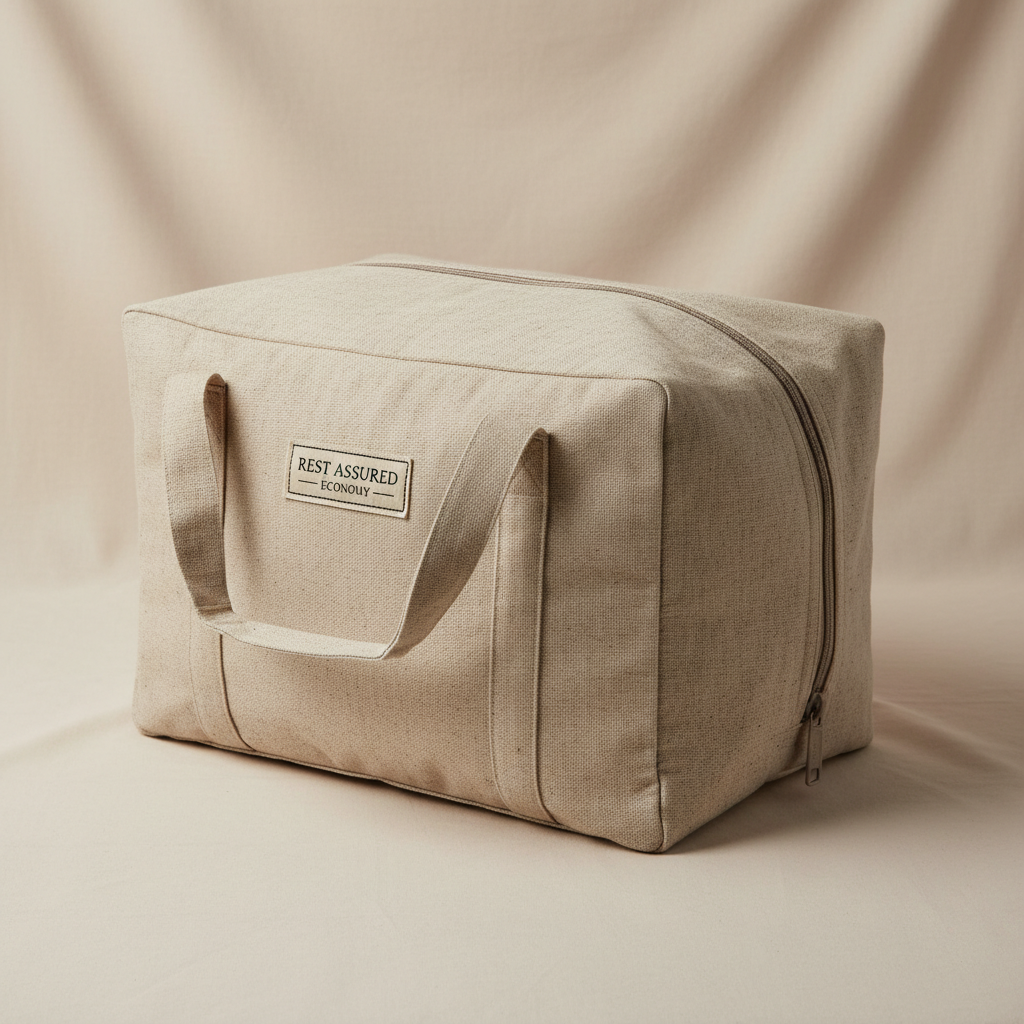
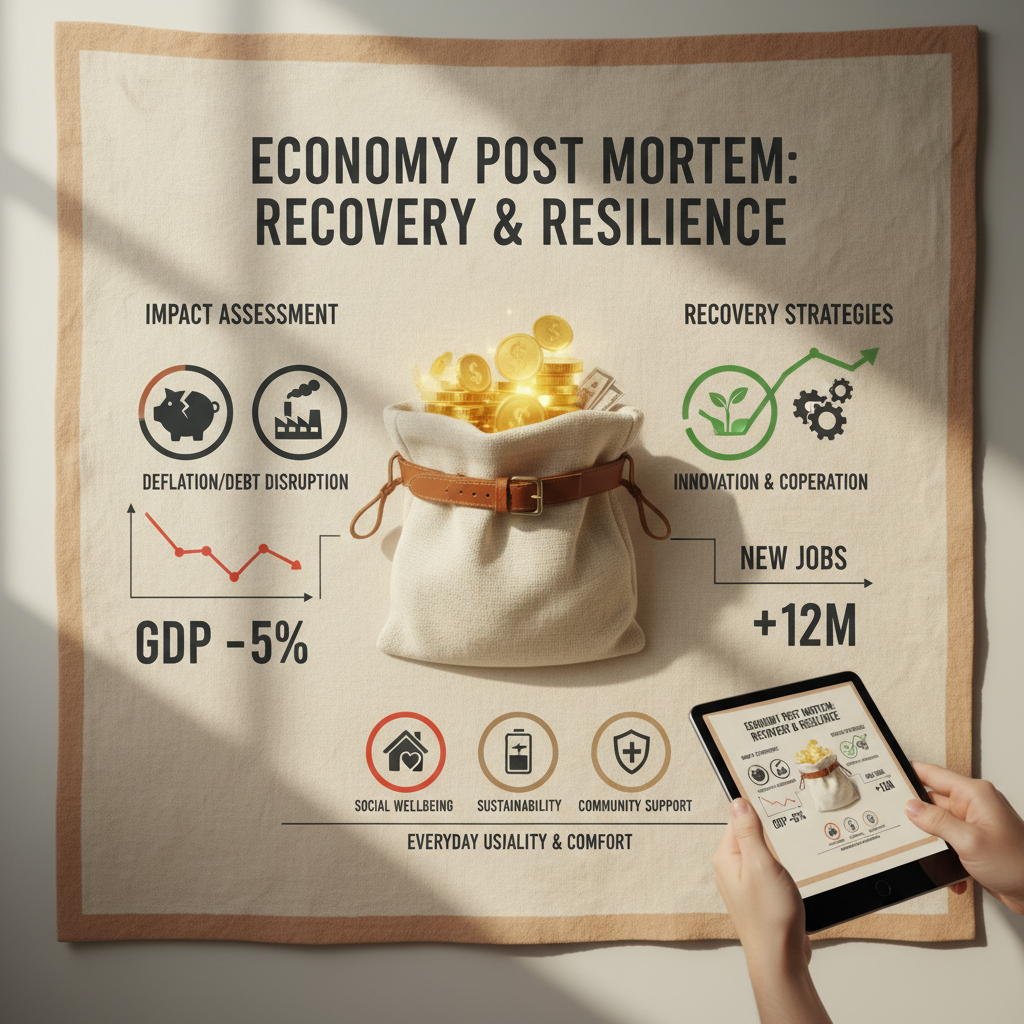
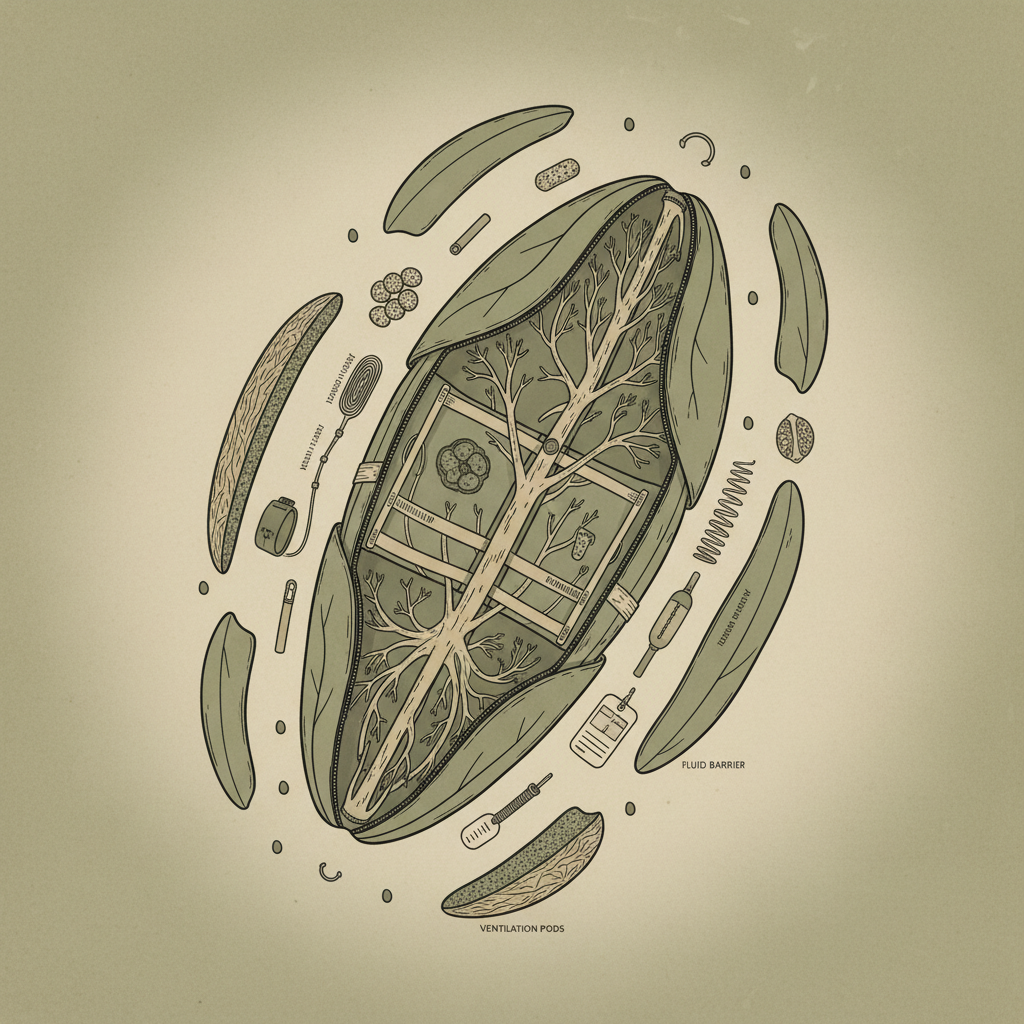
The economy post mortem bag represents a crucial advancement in dignified and respectful handling of remains, particularly in challenging circumstances like mass casualty events, disaster relief, and regions with limited resources. Globally, the need for efficient, cost-effective, and culturally sensitive solutions for body handling is increasing due to factors like climate change leading to more frequent natural disasters, geopolitical instability, and public health emergencies. Understanding the nuances of these bags – their construction, materials, deployment, and ethical considerations – is paramount for emergency responders, humanitarian organizations, and governments worldwide.
The increasing frequency of mass fatality incidents necessitates a shift towards readily deployable and scalable solutions. Traditional methods of body handling can be slow, resource-intensive, and potentially undignified. The economy post mortem bag offers a practical response, reducing logistical burdens and ensuring basic respect for the deceased. The global market for disaster management supplies is expanding rapidly, demonstrating the growing awareness of the need for proactive preparedness.
Furthermore, the demand isn't solely driven by crisis response. In certain contexts, particularly in areas with limited mortuary infrastructure, these bags provide a foundational level of respect and containment for remains, contributing to public health and reducing the risk of disease transmission. This makes the economy post mortem bag an essential component of comprehensive disaster preparedness and public health strategies.
Introduction: Global or Industry Context
The demand for effective and dignified solutions for handling remains in emergency situations is steadily increasing globally. The United Nations Office for Disaster Risk Reduction (UNDRR) reports a significant rise in climate-related disasters over the past two decades, leading to more frequent mass fatality events. This necessitates readily available, scalable, and affordable solutions like the economy post mortem bag.
The World Health Organization (WHO) emphasizes the importance of safe and dignified handling of the deceased during public health emergencies to prevent the spread of disease and maintain community trust. Traditional body handling practices can often fall short in these circumstances, particularly in resource-constrained settings. Therefore, the accessibility and ease of use of the economy post mortem bag are critical advantages.
Definition & Meaning
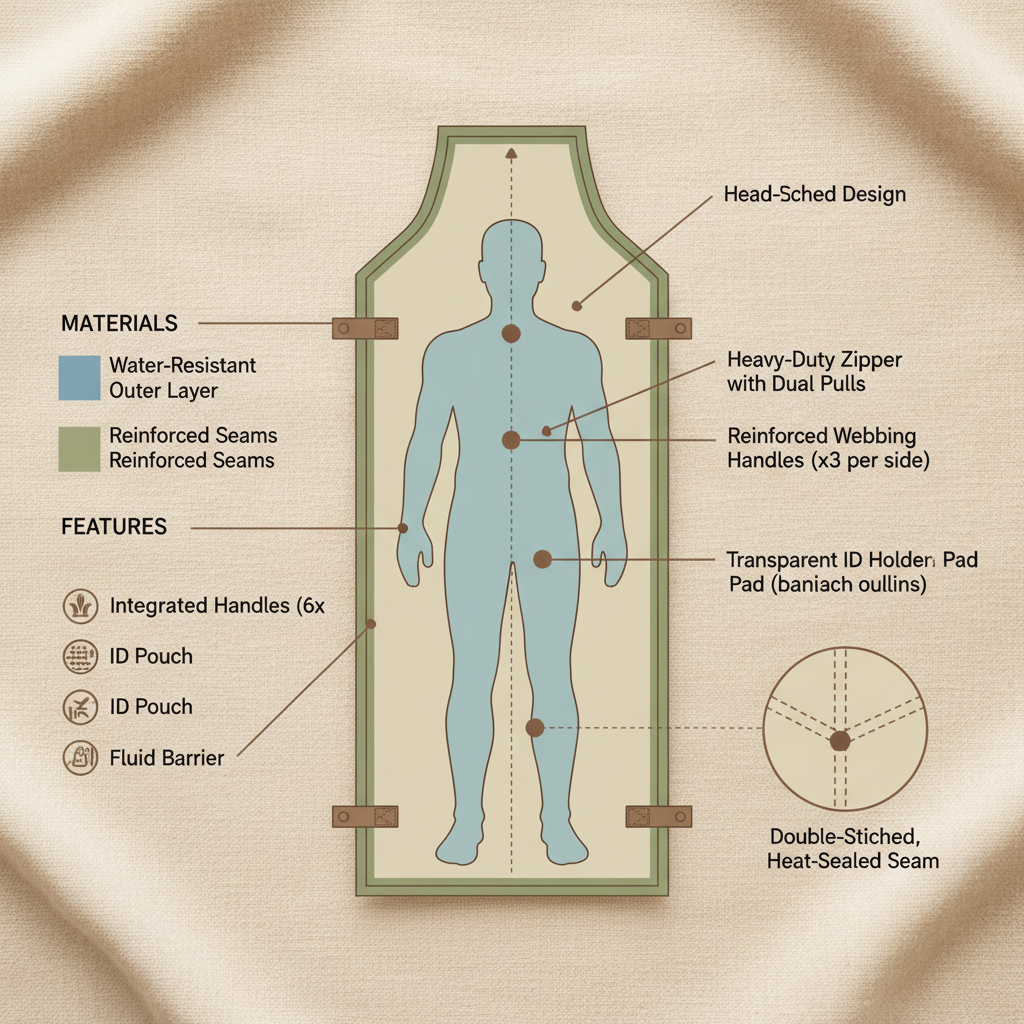
An economy post mortem bag is a specialized, typically polyethylene-based, body bag designed for the secure and respectful containment of human remains. These bags are generally characterized by their cost-effectiveness, durability, and ease of deployment, making them ideal for mass casualty incidents or situations where standard mortuary facilities are unavailable. They often include features like identification tags, handles for easy transport, and a sealing mechanism to prevent leakage.
The significance of using these bags extends beyond mere containment. In modern industry and humanitarian contexts, respecting the dignity of the deceased is paramount, even in the face of overwhelming challenges. The economy post mortem bag helps uphold this principle by providing a discrete and respectful means of handling remains, minimizing psychological trauma for responders and preserving cultural sensitivities.
The concept of utilizing body bags isn’t new; however, the emphasis on economy—meaning affordability and accessibility—represents a critical shift. It allows for wider distribution and ensures that even resource-limited communities can prepare for and respond to catastrophic events with a baseline level of dignity and efficiency.
Key Factors or Core Components
Durability: The material composition of an economy post mortem bag is central to its function. Typically, high-density polyethylene (HDPE) is used for its tear resistance, puncture resistance, and ability to withstand environmental factors. This ensures that the bag remains intact during transport and handling, preventing accidental exposure.
Scalability: The ability to rapidly deploy a large number of bags is crucial in mass fatality incidents. Economy post mortem bags are designed for efficient stockpiling and distribution, often packaged in compact kits for easy access. This scalability ensures that responders have the necessary resources to manage a large-scale event.
Cost Efficiency: The “economy” aspect is vital. These bags are engineered to provide a reliable solution at a lower price point than more specialized or complex options, making them accessible to a wider range of organizations and governments. This affordability doesn't compromise basic functionality or respect for the deceased.
Containment & Hygiene: Effective sealing mechanisms are a key component. The bag must effectively contain bodily fluids and prevent the spread of potential biohazards. Good designs include secure zip-lock closures and reinforced seams to minimize the risk of leakage.
Identification: A secure attachment point for identification tags is essential for maintaining a chain of custody and ensuring proper record-keeping. This allows for accurate tracking and eventual identification of remains.
Portability: Bags need to be easily transported by hand or mechanical means. Handles and a manageable weight when filled are critical for efficient logistical operations.
Global Applications & Use Cases
In post-disaster relief operations – such as earthquakes, floods, or hurricanes – the economy post mortem bag is often one of the first items deployed. Organizations like the Red Cross/Red Crescent frequently include them in emergency preparedness kits. The ease of deployment and cost-effectiveness make them ideal for immediate response when mortuary infrastructure is compromised.
In remote industrial zones, particularly in resource extraction industries (mining, oil & gas), these bags can be crucial for managing accidental fatalities. Access to traditional mortuary services may be limited, making on-site containment and transport essential. They’re also employed by forensic teams in field investigations.
Furthermore, public health agencies utilize these bags during outbreaks of infectious diseases, where safe and contained handling of remains is paramount to prevent further transmission. The economy post mortem bag provides a critical layer of protection for responders and the public.
Advantages & Long-Term Value
The tangible benefits of utilizing economy post mortem bags are multifaceted. Cost savings are significant, allowing organizations to allocate resources to other critical areas of disaster preparedness. Furthermore, the reduced logistical burden – stemming from their lightweight nature and compact storage – streamlines response efforts. The sustainability aspects, often incorporating recyclable materials, are increasingly important.
Beyond the practical advantages, the use of these bags embodies a commitment to dignity and respect for the deceased, fostering trust within affected communities. This psychological benefit shouldn’t be underestimated. The provision of reliable and respectful handling processes demonstrates empathy and reinforces the value of human life, even in the midst of tragedy.
Future Trends & Innovations
Ongoing research focuses on developing more environmentally friendly materials for economy post mortem bags, such as biodegradable polymers and recycled plastics. This aligns with the growing global emphasis on sustainability. Digital integration, incorporating QR codes for tracking and identification, is also being explored.
Automation in the manufacturing process could further reduce costs and increase production capacity, improving accessibility. Furthermore, advancements in sealant technology are aimed at enhancing containment integrity and minimizing the risk of leakage, ensuring improved safety for responders.
Challenges & Solutions
A common challenge is ensuring proper training for responders on the correct use and disposal of economy post mortem bags. Insufficient training can lead to improper handling, increasing the risk of contamination or compromising the dignity of the deceased. Standardized training protocols and readily available educational resources are vital.
Another limitation is the potential for misidentification if labeling procedures are inadequate. Implementing robust chain-of-custody protocols, including secure tag attachment and digital tracking systems, can mitigate this risk. Regular audits and quality control measures are essential to ensure compliance.
Supply chain disruptions can also pose a challenge, particularly during large-scale disasters. Maintaining strategic stockpiles in multiple locations and diversifying sourcing options can enhance resilience and ensure a consistent supply of these critical resources.
Summary of Challenges and Solutions for economy post mortem bag Implementation
| Challenge |
Impact Level (1-5) |
Proposed Solution |
Implementation Cost (Estimate) |
| Inadequate Responder Training |
4 |
Standardized Training Modules |
$5,000 - $10,000 |
| Risk of Misidentification |
3 |
Digital Tracking System |
$10,000 - $25,000 |
| Supply Chain Vulnerabilities |
5 |
Strategic Stockpiling & Diversified Sourcing |
$20,000 - $50,000 |
| Material Degradation Over Time |
2 |
Regular Stock Rotation & Inspection |
$2,000 - $5,000 (annually) |
| Cultural Sensitivities in Handling |
3 |
Culturally Sensitive Protocols & Training |
$3,000 - $7,000 |
| Leakage & Containment Issues |
2 |
Enhanced Sealant Technology |
$5,000 - $15,000 (R&D) |
FAQS
Economy post mortem bags are ideal for mass casualty events due to their cost-effectiveness, allowing for large-scale procurement, and their ease of deployment. They're designed for rapid containment of remains, simplifying logistical operations and reducing the risk of contamination. The bags’ durable construction ensures remains are securely contained during transport, while the lightweight design allows for efficient handling by responders. This ensures a dignified response even in overwhelming circumstances.
While traditionally made from polyethylene, manufacturers are increasingly focusing on sustainability. Many offer options utilizing recycled materials or biodegradable polymers. The environmental impact is a growing consideration, and responsible sourcing and disposal practices are crucial. Look for bags certified by environmental standards organizations. Ongoing research aims to develop fully biodegradable alternatives without compromising durability and containment.
Disposal procedures vary depending on local regulations and the nature of the contents. Generally, these bags should be treated as biohazardous waste and disposed of according to established protocols. This often involves incineration or burial in designated facilities. It's critical to consult with local health authorities for specific guidance on proper disposal methods to minimize environmental impact and ensure public safety.
The storage life of an economy post mortem bag typically ranges from 5 to 10 years, depending on the material and storage conditions. It’s crucial to store bags in a cool, dry, and dark place, away from direct sunlight and extreme temperatures. Regular inspection of stored bags is recommended to identify any signs of degradation or damage. Proper storage ensures the bag remains functional and reliable when needed.
No, economy post mortem bags are designed for single-use only. Reusing a bag compromises its integrity and increases the risk of leakage and contamination. Maintaining the integrity of the bag is vital for respecting the deceased and preventing the spread of biohazards. Always use a fresh bag for each individual and follow proper disposal protocols.
Prioritize durability, leak-proof seals, and a clear identification tag area. Consider the bag's weight capacity and dimensions to ensure it can accommodate the intended use. Look for bags that meet relevant industry standards and certifications. Ensure the material is resistant to punctures and tears. Finally, consider the supplier’s reputation for quality and reliable delivery.
Conclusion
In conclusion, the economy post mortem bag represents a vital and often overlooked component of effective disaster preparedness and dignified remains handling. Its affordability, scalability, and ease of deployment make it an indispensable tool for emergency responders, humanitarian organizations, and public health agencies worldwide. The ongoing advancements in materials and design further enhance its functionality and sustainability.
Investing in a robust supply of these bags, coupled with comprehensive training programs and adherence to best practices, is essential for minimizing the impact of mass casualty events and upholding the dignity of the deceased. We encourage organizations to prioritize preparedness and explore the benefits of integrating economy post mortem bags into their emergency response plans. Visit our website at www.heleegarment.com to learn more.