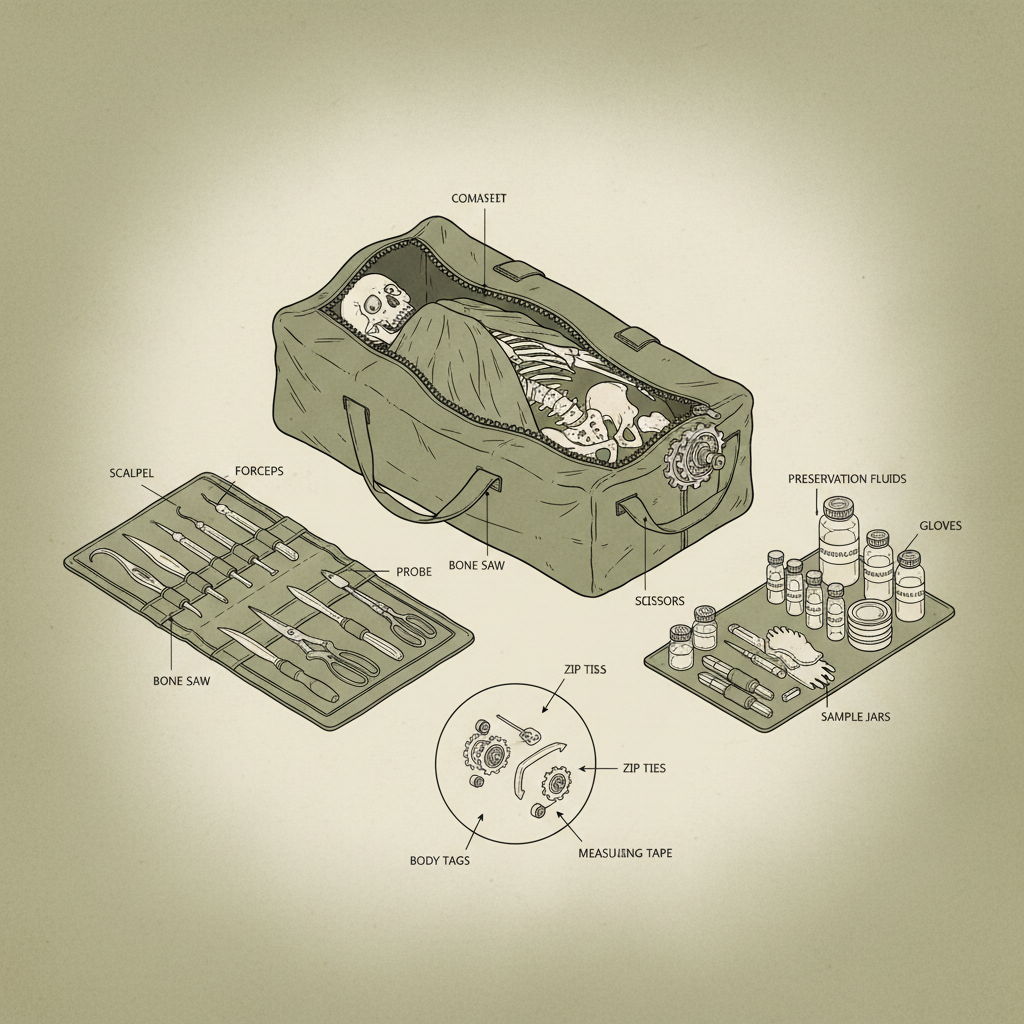
The critical need for safe and dignified handling of remains necessitates specialized equipment, making the heavy duty post mortem bag an essential component in disaster response, forensic science, and healthcare. These bags are far more than simple containers; they represent respect for the deceased and contribute to public health safety by containing potentially hazardous biological materials. Globally, the demand for reliable and robust post-mortem bags is increasing due to factors like rising disaster frequency and heightened awareness of biohazard protocols.
The logistical challenges of managing deceased individuals following mass casualty events or in remote locations require solutions that prioritize portability, durability, and containment. A heavy duty post mortem bag addresses these needs directly. Organizations like the United Nations (UN) and the World Health Organization (WHO) emphasize the importance of dignified death management in humanitarian crises, highlighting the role of appropriate body bags in upholding these standards. ISO standards also dictate requirements for material integrity and leak-proof construction.
Investing in high-quality heavy duty post mortem bag is not simply a procurement decision, but a commitment to ethical and practical responsibility in handling sensitive situations. The growing focus on pandemic preparedness further underscores the importance of this often-overlooked piece of vital equipment.


The reliable containment provided by a heavy duty post mortem bag is paramount in protecting first responders, forensic personnel, and the wider public from potential biohazards. These bags are specifically designed to prevent leakage and contamination, contributing significantly to safe handling practices.
Beyond safety, the use of a quality heavy duty post mortem bag reflects a commitment to the ethical treatment of the deceased, upholding standards of dignity and respect even in challenging circumstances. This is particularly crucial in disaster situations where the identification and handling of remains can be complex.
Heavy duty post mortem bags are generally constructed from multi-layered, puncture-resistant materials like high-density polyethylene (HDPE) or specialized polymers. These materials are chosen for their strength, leak-proof properties, and resistance to degradation from biological fluids. Often, they also include a waterproof outer layer for added protection during transport and storage. The specific composition varies depending on the intended use and regulatory requirements.
The appropriate size of a heavy duty post mortem bag depends on the expected size and weight of the remains. Bags are available in various sizes, typically ranging from standard adult sizes to larger options for bariatric individuals or multiple remains. It’s crucial to select a bag that can comfortably accommodate the contents without compromising its integrity. Always err on the side of caution and choose a slightly larger size if unsure.
Many heavy duty post mortem bag manufacturers ensure their products meet international standards such as those set by the UN for the transport of dangerous goods (UN Packaging standards). Look for bags with certifications indicating compliance with relevant regulations in your region. These certifications verify that the bag has undergone testing to ensure its leak-proof and containment properties.
Unused heavy duty post mortem bag should be stored in a cool, dry, and well-ventilated area, away from direct sunlight and extreme temperatures. Avoid storing them in areas where they may be exposed to chemicals or other contaminants. Proper storage helps maintain the integrity of the material and ensures the bag is ready for use when needed. Consider using a designated storage container to protect them from damage.
The lifespan of a heavy duty post mortem bag depends on the quality of materials, storage conditions, and frequency of use. Generally, they have a shelf life of several years when stored properly. However, it's essential to inspect bags regularly for signs of degradation, such as tears, punctures, or discoloration. Discard any bag that shows signs of damage.
Disposal of used heavy duty post mortem bag must comply with local and national regulations regarding biohazardous waste. Typically, this involves treating the bag as infectious waste and disposing of it through a licensed medical waste disposal service. Never dispose of these bags in regular trash. Proper disposal is crucial to protect public health and the environment.
Heavy duty post mortem bag are indispensable tools for anyone involved in disaster response, forensic science, or healthcare. Their ability to provide secure, dignified, and safe containment of remains is paramount, protecting personnel, the public, and upholding ethical standards. Investing in high-quality bags ensures preparedness and contributes to a more responsible approach to handling sensitive situations.
Looking ahead, continued innovation in materials, design, and tracking technologies will further enhance the capabilities of these vital tools. By embracing sustainable practices and prioritizing compliance with evolving regulations, we can ensure that heavy duty post mortem bag continue to play a crucial role in protecting public health and maintaining dignity in the face of challenging circumstances.