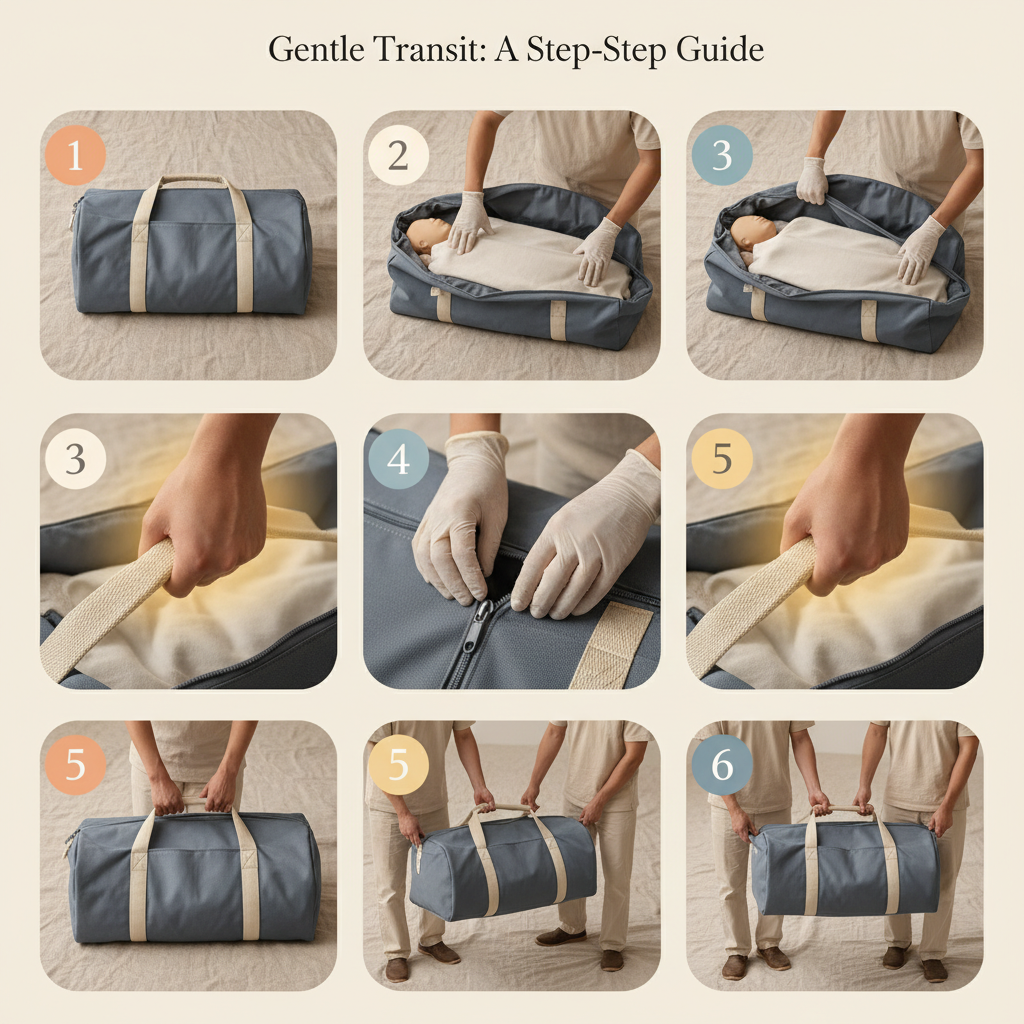
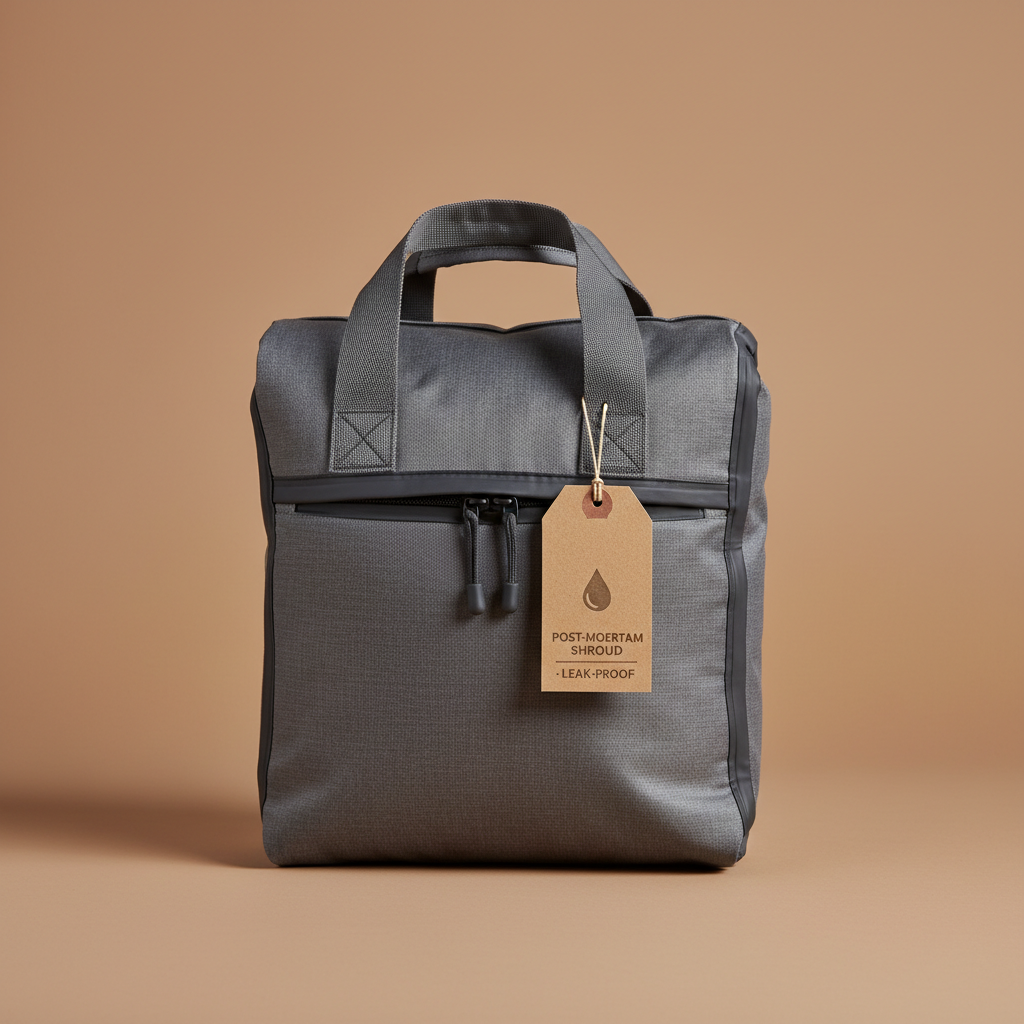
Animal cadaver bags are specialized containers designed for the safe, hygienic, and respectful handling of deceased animals. Globally, responsible animal management—including post-mortem care—is increasingly recognized as a crucial element of public health, biosecurity, and animal welfare. The proper containment of animal remains minimizes the risk of disease transmission, environmental contamination, and emotional distress for those involved in handling them. This is particularly vital in veterinary practices, research facilities, animal control services, and disaster response scenarios.
The demand for effective animal cadaver bags is driven by growing awareness of zoonotic diseases, stricter regulations surrounding animal waste disposal, and a greater emphasis on ethical treatment of animals, even in death. Furthermore, the increasing frequency of large-scale animal losses due to outbreaks (like African Swine Fever) or natural disasters necessitates readily available and reliable containment solutions. Effective animal cadaver bags contribute to a more controlled and dignified process, crucial for both operational efficiency and public trust.
Understanding the importance and correct application of an animal cadaver bag is paramount for professionals working across a multitude of sectors, and choosing the appropriate type of bag for the specific application is critical for maintaining safety and compliance. This knowledge extends beyond simple disposal; it encompasses responsible handling practices and minimizing potential health risks associated with animal remains.
Introduction to Animal Cadaver Bags
An animal cadaver bag is fundamentally a secure, leak-proof container specifically engineered to hold the remains of animals. These bags are critical for maintaining hygiene, preventing the spread of disease, and handling deceased animals with dignity. They come in various materials, sizes, and designs to cater to different animal sizes and specific requirements within various industries.
The growing focus on biosecurity and responsible waste management underscores the increasing importance of specialized solutions like the animal cadaver bag. Their use extends beyond simply containing the body; they provide a vital component of a comprehensive animal health and welfare strategy.
Global Relevance and Industry Context
The World Organisation for Animal Health (WOAH) emphasizes the critical role of proper carcass disposal in preventing the spread of animal diseases globally. Controlling the spread of zoonotic diseases, those transmissible from animals to humans, is a major public health concern, and appropriate animal cadaver management is a cornerstone of prevention. The United Nations Food and Agriculture Organization (FAO) also highlights the link between animal health and food security, reinforcing the need for robust biosecurity protocols.
Globally, millions of animals die each year from disease, accidents, or natural causes. The volume of animal remains demands efficient and safe disposal methods. Furthermore, increased international trade in animals and animal products necessitates standardized procedures for handling deceased animals to prevent the transboundary spread of disease.
The ISO 14001 standard encourages organizations to manage their environmental impacts, which includes responsible waste disposal practices, extending to animal remains. Many countries are also implementing stricter regulations surrounding animal by-product handling, driving demand for compliant animal cadaver bag solutions.
Defining Animal Cadaver Bags
Simply put, an animal cadaver bag is a robust, sealed container used to enclose the body of a deceased animal. Unlike general waste bags, these are specifically designed to prevent leaks, odors, and the spread of pathogens. They are typically constructed from materials with high tensile strength and puncture resistance, ensuring containment during transport and disposal.
The connection to modern industry and humanitarian needs is clear. In veterinary medicine, animal cadaver bags are essential for the respectful and safe handling of pet and livestock remains. In research facilities, they ensure the containment of potentially hazardous biological materials. In disaster response, they provide a crucial element of disease control and environmental protection.
These bags are not merely disposal tools; they are integral to a responsible chain of care, from the animal’s life to its post-mortem management. The selection of the correct bag type is dictated by the size and weight of the animal, the potential presence of infectious agents, and the regulatory requirements of the location.
Key Characteristics of Effective Bags
Several key factors contribute to the effectiveness of an animal cadaver bag. First, Durability is paramount. The bag must withstand handling, transport, and potential impacts without tearing or leaking. This necessitates the use of high-quality materials like multi-layered polyethylene or reinforced polymers. Second, Leak-Proof Construction is critical to prevent contamination and odor release. Sealed seams and robust closures are essential.
Compliance with relevant regulations is another crucial characteristic. Bags must meet specific standards for biohazard containment and disposal, varying by location. Capacity and Size Variety are also important. A range of sizes must be available to accommodate animals of all sizes, from small pets to large livestock. Ease of Use is often overlooked, but a bag that is easy to open, load, and seal improves efficiency and safety. Finally, Material Integrity - ensuring the bag doesn’t degrade or react with the contents - is vital for long-term containment.
Material Performance in Animal Cadaver Bags
Applications Across Industries
Animal cadaver bags find widespread application in veterinary clinics and hospitals, where they are used for the respectful and hygienic disposal of pet remains. They are also essential in animal research facilities, ensuring the safe containment of potentially infectious biological materials from laboratory animals.
Agricultural sectors, including livestock farms and slaughterhouses, rely heavily on these bags for responsible carcass management. In post-disaster relief operations, animal cadaver bags are crucial for preventing the spread of disease following mass animal mortality events. Furthermore, animal control services utilize them for the safe and dignified handling of deceased animals found in public spaces.
Advantages and Long-Term Value
The advantages of using appropriate animal cadaver bags are numerous. Cost-effectively, they reduce the risk of expensive environmental contamination and disease outbreaks. From a sustainability perspective, proper containment minimizes the impact on soil and water resources. Socially, they demonstrate respect for the animal and alleviate emotional distress for those handling the remains.
The long-term value lies in enhanced biosecurity, improved public health, and the fostering of trust between animal care providers and the community. The reliability of a well-designed animal cadaver bag ensures peace of mind and compliance with evolving regulations.
Future Trends and Innovations
The future of animal cadaver bags is likely to see increased adoption of biodegradable and compostable materials, aligning with growing sustainability initiatives. Research is ongoing into advanced polymer technologies that offer enhanced strength, leak-proof properties, and reduced environmental impact.
Digital integration, such as the inclusion of RFID tags for tracking and traceability, may become more common. Automation in handling and disposal systems will also drive demand for specifically designed bag solutions. Regulations surrounding animal by-product handling are expected to become stricter, pushing innovation in containment technologies.
Animal Cadaver Bag Performance Metrics
| Bag Material |
Leak Resistance (1-10) |
Tensile Strength (1-10) |
Biodegradability (1-10) |
| Polyethylene (PE) |
8 |
7 |
2 |
| Polypropylene (PP) |
7 |
8 |
3 |
| Reinforced PE |
9 |
9 |
2 |
| Biodegradable PLA |
6 |
5 |
9 |
| Multi-Layer Polymer |
10 |
10 |
1 |
| Compostable Biopolymer |
7 |
6 |
8 |
FAQS
Animal cadaver bags are available in a wide range of sizes, from small bags suitable for pets like cats and dogs (typically under 50 lbs) to large, heavy-duty bags capable of containing livestock such as cattle or horses. Common sizes are categorized by weight capacity, ensuring you select a bag appropriate for the animal's size. It is always advisable to choose a bag slightly larger than needed to ensure complete containment and ease of handling.
While traditional animal cadaver bags are often made from polyethylene or polypropylene, which are not readily biodegradable, there is a growing trend toward using biodegradable and compostable materials like PLA (polylactic acid). These bags offer a more environmentally friendly option, but it's important to check that they meet relevant composting standards and local regulations for proper disposal. The strength and durability can sometimes be less than traditional plastics.
When handling a filled animal cadaver bag, always wear appropriate personal protective equipment (PPE), including gloves, a mask, and eye protection. Avoid direct contact with the bag and its contents. Lift with your legs, not your back, and ensure the bag is securely sealed before moving it. Follow local regulations for the proper disposal of animal remains, which may include incineration, burial, or rendering.
Regulations surrounding animal cadaver bag use vary significantly by country, state, and even local jurisdiction. These regulations often address issues such as leak-proof requirements, biohazard containment, and proper disposal methods. It's crucial to research and comply with all applicable regulations in your area to avoid fines or legal issues. Organizations like the USDA and EPA may have specific guidelines.
Reinforced animal cadaver bags, typically constructed with multiple layers of durable material or with added strengthening fibers, offer increased puncture and tear resistance. This is especially important when handling larger animals or transporting remains over long distances. They provide a higher level of containment and reduce the risk of leaks or spills, contributing to improved biosecurity and hygiene.
Animal cadaver bags should be stored in a cool, dry, and clean environment, away from direct sunlight and potential sources of damage. They should be kept in a sealed container or packaging to protect them from contamination and maintain their integrity. Regularly inspect the bags for any signs of damage or deterioration before use. Proper storage ensures the bags are ready for immediate deployment when needed.
Conclusion
In summary, the appropriate use of an animal cadaver bag is a critical component of responsible animal management, impacting public health, environmental protection, and ethical treatment. From veterinary practices to disaster response, these specialized containers play a vital role in containing and safely disposing of animal remains. Understanding the key characteristics, applications, and future trends associated with animal cadaver bags is essential for professionals across a diverse range of industries.
Looking ahead, continued innovation in materials and design, coupled with stricter regulatory standards, will drive the evolution of these products. Embracing sustainable options, implementing digital tracking solutions, and prioritizing user safety will be key to maximizing the long-term benefits of animal cadaver bag technology. Visit our website at www.heleegarment.com to learn more about our range of animal cadaver bag solutions.