Cadaver bags, particularly those designed for adult use, represent a crucial aspect of disaster preparedness, forensic science, and respectful handling of remains. These specialized containers are far more than simple storage solutions; they are engineered to maintain dignity, facilitate safe transport, and uphold crucial chain-of-custody protocols. Understanding their construction, applications, and evolving standards is vital for professionals in diverse fields, from emergency responders and medical examiners to humanitarian organizations and law enforcement agencies. The demand for high-quality, reliable cadaver bags is globally significant, driven by increasing frequency of natural disasters and the need for robust forensic capabilities.
The global market for cadaver bags, including adult sizes, is steadily growing, estimated to be worth millions annually and projected to increase in the coming years. This growth is fuelled by factors such as rising global population, increased frequency of mass casualty events, and heightened awareness regarding respectful treatment of deceased individuals. Organizations like the United Nations and the World Health Organization emphasize the importance of dignified handling of remains in disaster situations, directly influencing demand. Moreover, stringent regulations surrounding the transportation and storage of human remains, enforced by international bodies like IATA, necessitate the use of certified and compliant cadaver bags.
Proper management of remains isn’t just a logistical necessity; it’s a matter of ethical responsibility. A well-constructed cadaver bag adult facilitates this responsibility, providing a secure and respectful environment for the deceased while protecting those handling the remains. The significance of this seemingly simple tool extends to public health, legal investigations, and the emotional well-being of families seeking closure.
Introduction to cadaver bag adult
The core function of a cadaver bag adult is to provide a secure, hygienic, and respectful containment solution for human remains. These bags are meticulously designed to prevent leakage, odor dissemination, and contamination during transport and storage. The specifications are often dictated by forensic standards and legal requirements, with considerations for material strength, closure mechanisms, and evidence preservation.
Understanding the variations within the cadaver bag adult category is also important. Bags vary in size, material, and features, catering to different operational needs. From basic, disposable options used in mass disaster scenarios to heavy-duty, reusable bags employed by forensic teams, the market offers a diverse range of solutions.
Global Relevance and Industry Context
The need for effective cadaver management transcends geographical boundaries. From natural disasters like earthquakes and tsunamis to man-made tragedies and criminal investigations, the proper handling of remains is a universal concern. International humanitarian organizations, such as the Red Cross and Doctors Without Borders, rely heavily on cadaver bag adult to maintain dignity and prevent the spread of disease in crisis zones.
The forensic science industry plays a critical role in demanding high-quality cadaver bags. Law enforcement agencies and medical examiners utilize these bags to ensure the integrity of evidence during investigations, preserving vital information for identification and legal proceedings. Stringent chain-of-custody protocols require secure and tamper-evident containment, which a well-designed cadaver bag provides.
Furthermore, the tourism industry, particularly in regions prone to accidents or incidents involving fatalities, must also be prepared. Hotels, resorts, and tour operators often need to have appropriate supplies, including cadaver bags, on hand to respond effectively to unforeseen events, demonstrating responsibility and respect.
Defining cadaver bag adult
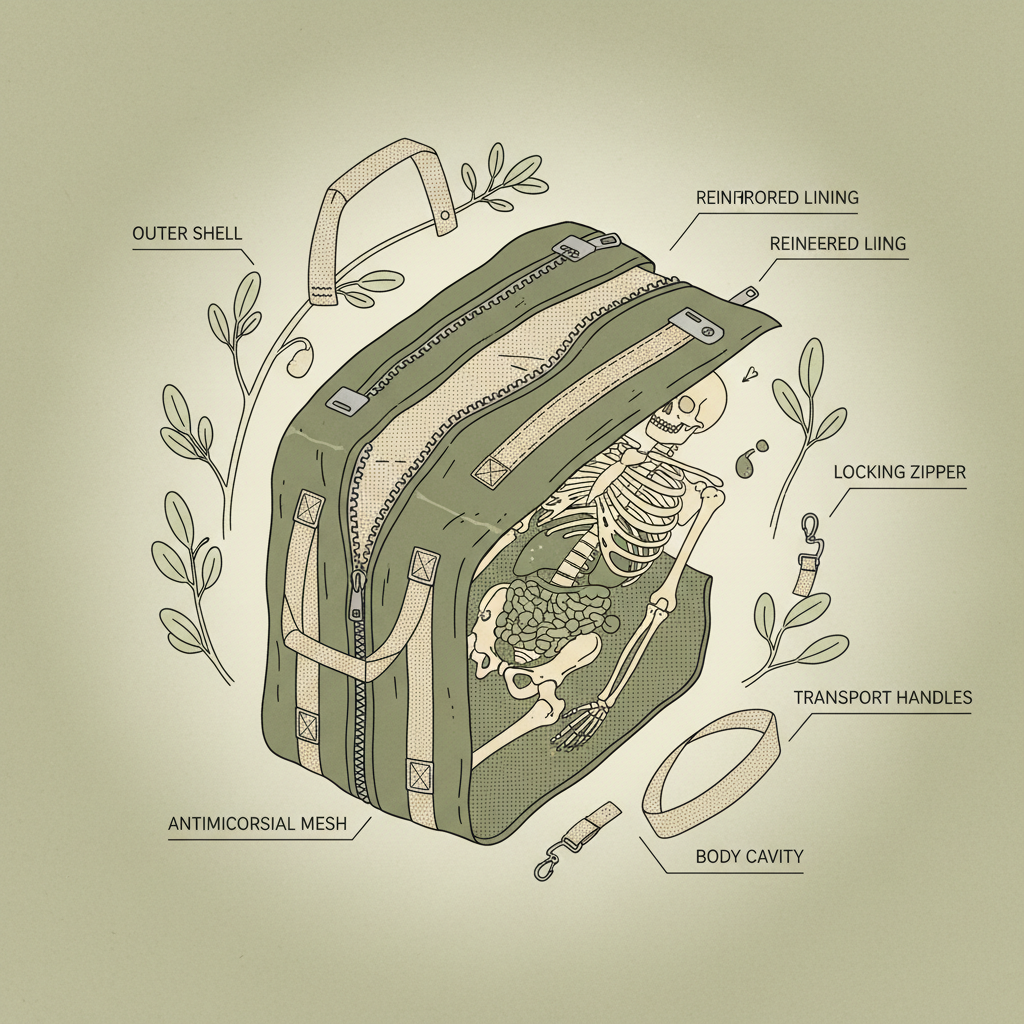
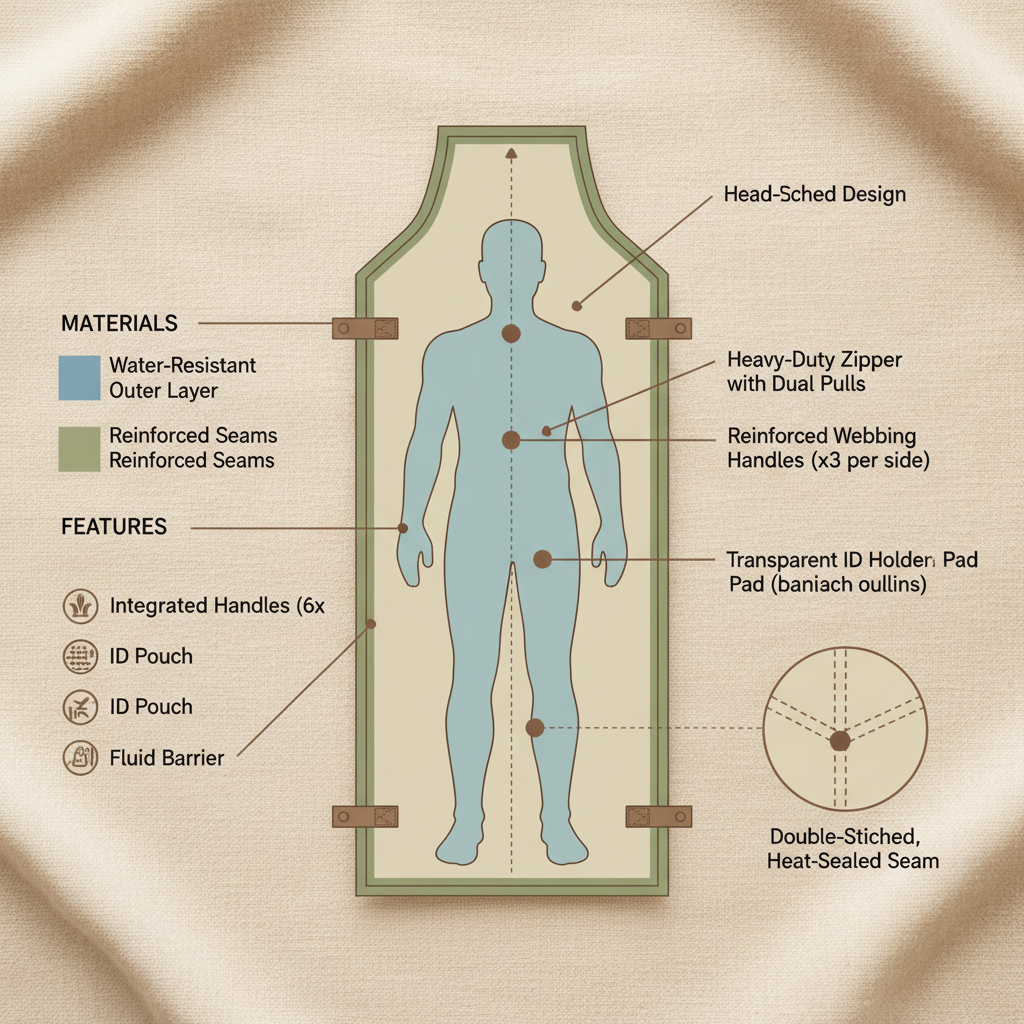
A cadaver bag adult is a specialized, sealed container designed to securely hold and transport human remains. These bags are typically constructed from durable, leak-proof materials, such as heavy-duty polyethylene or PVC, and are equipped with robust closure systems, like zippers, ties, or adhesive seals. They’re often reinforced to withstand the rigors of handling and transportation.
The “adult” designation refers to the bag’s dimensions, being sized appropriately for the average adult human body. However, variations exist to accommodate different body sizes and shapes. Beyond containment, a core aspect of the definition is the maintenance of dignity; a quality cadaver bag adult ensures respectful handling.
Its connection to modern needs lies in ensuring public health safety, adhering to legal requirements regarding the handling of remains, and providing a secure method of evidence preservation in forensic contexts. In humanitarian crises, they help mitigate the spread of disease and offer a respectful solution in challenging circumstances.
Key Factors in Cadaver Bag Adult Design
Several key factors determine the effectiveness and suitability of a cadaver bag adult. Durability is paramount. The bag must withstand rough handling, punctures, and tears during transport and storage. Material selection plays a crucial role here; high-density polyethylene and reinforced PVC are common choices.
Another critical aspect is leak-proof integrity. A secure seal is vital to prevent any leakage of bodily fluids, protecting handlers and preventing contamination. Proper closure mechanisms – robust zippers, strong ties, or tamper-evident adhesive strips – are essential.
Cadaver Bag Adult: Key Feature Ratings
Global Applications and Use Cases
In post-disaster relief operations, particularly following earthquakes, floods, or mass casualty events, cadaver bag adult are indispensable for the dignified and safe handling of remains. They allow for efficient identification processes and prevent the spread of disease in affected areas.
Forensic science laboratories and medical examiner offices rely on these bags to maintain the chain of custody of evidence. They ensure that remains are properly preserved and protected during investigations, contributing to accurate identification and legal proceedings.
Remote industrial zones, where accidents involving fatalities may occur, also require readily available cadaver bags. Ensuring prompt and respectful handling of remains is essential, regardless of location, and these bags provide a practical solution in challenging environments.
Advantages and Long-Term Value
The tangible benefits of utilizing high-quality cadaver bags adult include cost-effectiveness—reducing the risk of contamination and subsequent cleanup costs—and sustainability, particularly with reusable options. Beyond the practical, these bags offer a significant social impact, providing dignity and respect to the deceased and easing the emotional burden on grieving families.
The long-term value is rooted in reliability and trust. Choosing certified, compliant bags ensures adherence to legal standards and maintains the integrity of investigations. This breeds confidence among stakeholders, from law enforcement to humanitarian organizations, and demonstrates a commitment to ethical and responsible practices.
Future Trends and Innovations
Emerging trends focus on incorporating biodegradable materials into cadaver bag construction, addressing growing environmental concerns. Research into advanced polymer technologies aims to create even more durable and leak-proof bags while minimizing environmental impact.
Digital integration is another potential innovation. Incorporating RFID tags or QR codes into the bags could enhance tracking and chain-of-custody management, providing real-time visibility throughout the process. Automation in manufacturing processes could also lead to increased efficiency and reduced production costs.
Sustainable packaging options and eco-friendly disposal methods are increasingly important considerations, driving innovation in the industry and aligning with global sustainability goals.
Challenges and Solutions
A common challenge is ensuring consistent adherence to international regulations and standards. Variations in local requirements can create confusion and potential compliance issues. Standardization efforts and clear guidance from international bodies are crucial to address this.
Another limitation is the cost associated with high-quality, durable cadaver bags. While investing in quality is essential, finding affordable solutions is vital, particularly for resource-constrained organizations. Exploring bulk purchasing options and developing cost-effective yet reliable materials can help overcome this obstacle.
Finally, ensuring proper training for personnel on the correct use and handling of cadaver bags is paramount. Comprehensive training programs that emphasize safety, ethical considerations, and chain-of-custody protocols are essential to maximize the benefits of these tools.
Table Summarizing Cadaver Bag Adult Performance Characteristics
| Material Composition |
Leak-Proof Rating (1-10) |
Durability Score (1-10) |
Cost per Unit (USD) |
| High-Density Polyethylene |
9 |
7 |
5 |
| Reinforced PVC |
10 |
8 |
8 |
| Biodegradable Polymer |
7 |
6 |
12 |
| Heavy-Duty Nylon with Coating |
8 |
9 |
10 |
| Standard Polyethylene |
6 |
5 |
3 |
| Composite Material (Polyethylene/PVC) |
9.5 |
8.5 |
7 |
FAQS
Disposable cadaver bags are typically made from thinner materials and are designed for single-use applications, often in mass casualty events. Reusable bags, constructed from more durable materials like reinforced PVC, can withstand multiple uses and are favored by forensic teams for long-term evidence preservation. Reusable bags necessitate thorough disinfection between uses to prevent cross-contamination.
Look for bags certified by relevant organizations (e.g., IATA for air transport). Check for compliance with local and international regulations regarding the handling of human remains. The bag should also be leak-proof, tamper-evident, and appropriately labeled according to regulatory guidelines. Documentation confirming the bag's specifications and certification is crucial.
Common materials include high-density polyethylene (HDPE), polyvinyl chloride (PVC), and increasingly, biodegradable polymers. HDPE offers good strength and water resistance. PVC provides superior leak-proof qualities. Biodegradable polymers represent an eco-friendly alternative, though they may have limitations in terms of durability compared to traditional materials.
Prioritize leak-proof construction, durable materials, a secure closure system (zipper, ties, or adhesive), tamper-evident features, and appropriate size for adult remains. Consider bags with reinforced handles for easy transport and labels for identification and chain-of-custody documentation.
Disposal procedures vary based on local regulations and the type of bag. Disposable bags should be treated as biohazardous waste and disposed of according to established protocols. Reusable bags must be thoroughly disinfected before reuse or, if damaged, disposed of as biohazardous waste. Always consult local guidelines for proper disposal methods.
A standard adult cadaver bag typically measures approximately 96 inches long and 36 inches wide. However, it's essential to select a bag size appropriate for the individual being contained. Larger sizes are available for individuals with greater body mass, while smaller options might be suitable for pediatric cases, though this guide focuses on adult models.
Conclusion
In conclusion, the cadaver bag adult is a critical component of respectful remains management, spanning disaster response, forensic science, and humanitarian aid. Its proper selection, use, and disposal are essential for upholding ethical standards, adhering to legal requirements, and protecting public health. Understanding the key factors influencing design—durability, leak-proof integrity, and compliance—is vital for professionals operating in these sensitive fields.
Looking ahead, continued innovation in materials and design—particularly embracing sustainable solutions—will be crucial. Prioritizing comprehensive training for personnel and advocating for consistent international standards will further enhance the effectiveness of these essential tools, ultimately contributing to a more dignified and responsible approach to handling human remains.