Finding a reliable waterproof clothing exporter is critical for businesses operating in the protective apparel and rainwear sectors. In the broader context of the textile and garment manufacturing industry, the ability to source durable, waterproof materials like PVC and PEVA determines the longevity and performance of the end product. Whether for industrial safety or consumer rainwear, the supply chain depends on precise material specifications and manufacturing consistency.
Procurement officers often struggle with balancing cost-efficiency against material safety and durability. Common challenges include sourcing non-toxic, eco-friendly alternatives to traditional PVC and ensuring that waterproof seals—whether achieved via sewing, hot sewing, or ultrasonic welding—can withstand rigorous real-world use without leaking.
This analysis provides a comprehensive framework for evaluating waterproof garment suppliers, examining material trade-offs between PEVA and PVC, and establishing a decision matrix for sourcing professional rainwear and safety aprons based on specific industrial applications.

Material Analysis: PEVA vs. PVC in Rainwear

When selecting a waterproof clothing exporter, the primary technical distinction lies in the polymer used: Polyvinyl Chloride (PVC) or Polyethylene Vinyl Acetate (PEVA). PVC has long been the industry standard due to its extreme durability and low cost, but it often carries a distinct chemical odor and higher environmental impact. In contrast, PEVA is an eco-friendly alternative that is chlorine-free, odorless, and generally safer for sensitive users, such as children.
From a practical performance standpoint, PEVA materials—typically ranging from 0.12mm to 0.18mm in thickness—offer a lightweight, reusable solution that is easier to fold and store. While PVC may offer slightly higher puncture resistance for heavy-duty workshop aprons, PEVA is increasingly preferred for consumer rain ponchos and healthcare garments due to its hypoallergenic properties and reduced environmental footprint.
Manufacturing Techniques for Waterproof Integrity
The efficacy of waterproof clothing is not solely dependent on the fabric but on the assembly method. A professional exporter must employ a variety of joining techniques to prevent water ingress at the seams. Standard sewing is often insufficient for high-pressure environments, leading manufacturers to utilize hot sewing or ultrasonic sewing. Ultrasonic welding, in particular, creates a molecular bond between synthetic materials, eliminating the need for needles and threads that create potential leak points.
Additionally, the integration of functional design elements, such as drawstring hoods and reinforced front buttons, ensures that the garment remains functional during heavy precipitation. For high-grade waterproof items, the combination of high-grade PEVA/PVC and heat-sealed seams provides the necessary barrier to keep the wearer dry in diverse weather conditions.
Application-Specific Product Requirements
Waterproof garments are not one-size-fits-all; their specifications must align with the intended application. For instance, children's rainwear requires lightweight, non-toxic PEVA and a range of sizes (S through XXL) to accommodate ages 3 to 12. These products prioritize ease of use, such as reusable storage bags and quick-drying surfaces, ensuring they are practical for parents and children alike.
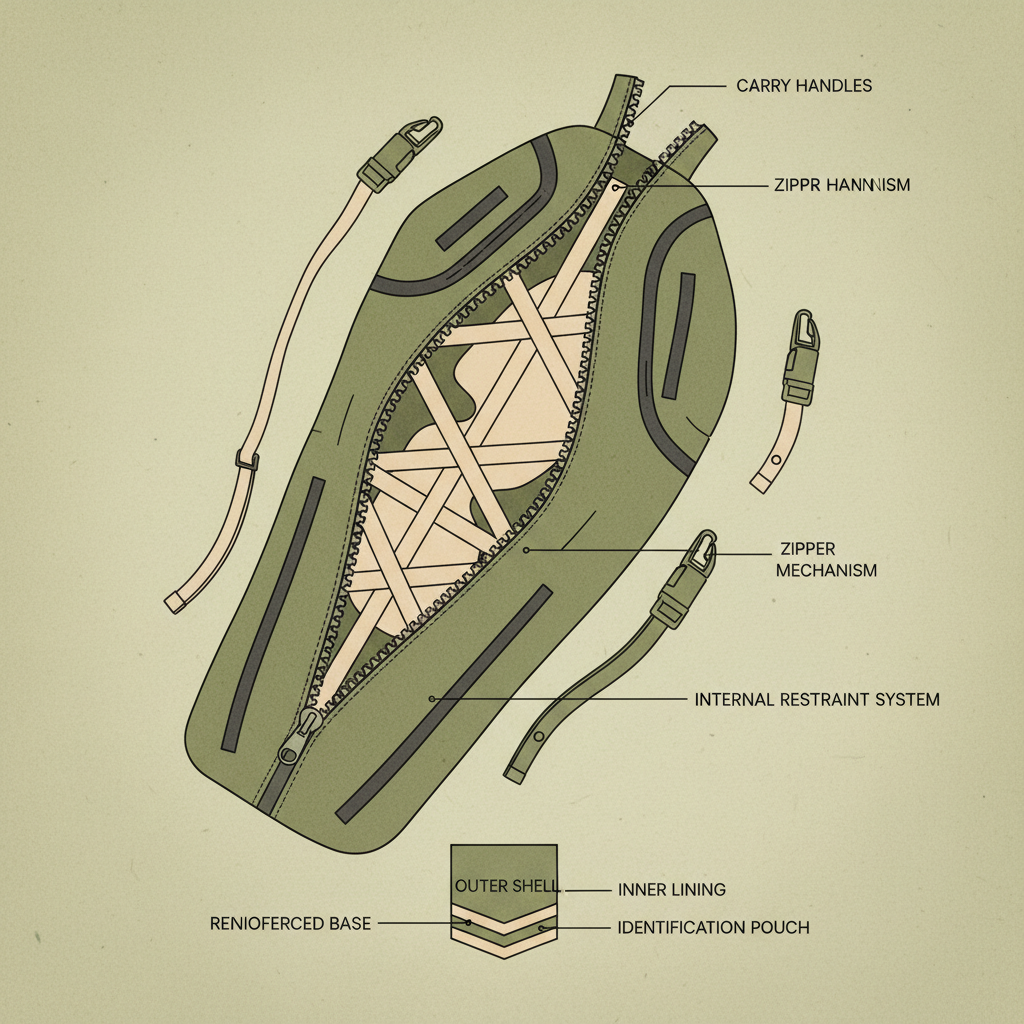
Conversely, industrial applications such as workshop aprons or labor safety products demand thicker materials and reinforced stress points. Products like the apron with sleeves are designed to protect against chemical splashes and liquids in manufacturing environments, where durability and full-body coverage are more critical than weight or breathability. Specialization also extends to healthcare and forensic needs, where PVC/PEVA post-mortem bags require high mil thickness (4mil to 24mil) to ensure containment and leak prevention.
Evaluation Metrics for Supplier Capability
Evaluating a waterproof clothing exporter requires looking beyond the price list to the actual production capabilities. A versatile manufacturer should demonstrate proficiency across multiple material types—including PVC, PEVA, PE, Vinyl, and Non-woven fabrics—and possess the machinery for diverse assembly methods. The following relative index illustrates how different capabilities impact the final product quality in a conceptual framework.
This illustrative data suggests that the integration of ultrasonic sewing and high-grade PEVA materials significantly increases the perceived quality and safety score of the garment. Suppliers who can offer custom printing and flexible sizing (S-XXL) provide higher value for brands looking to differentiate their product lines in the global market.
Sourcing Strategies for Specialized Waterproof Gear
Effective sourcing begins with a clear definition of the technical requirements. For buyers in the healthcare or safety sector, the focus should be on the thickness and seal strength of the material. For those sourcing consumer rainwear, the emphasis shifts toward eco-friendly certifications and aesthetic customization. A strategic approach involves requesting samples that test both the material's waterproofness and the seam's integrity under pressure.
Consolidating procurement with a manufacturer that offers a wide product range—from rainsuits and ponchos to workshop aprons and nursing care garments—simplifies the supply chain. This allows for consistent material quality across different product lines and reduces shipping overhead by consolidating multiple categories into a single export shipment.
Risk Mitigation in Bulk Garment Exporting
Exporting waterproof clothing involves risks related to material degradation and shipping damage. PVC, if stored in extreme temperatures, can become brittle or release odors. PEVA is more stable but can be prone to creasing if not packed correctly. To mitigate these risks, buyers should ensure the exporter uses high-quality individual bagging (e.g., 1 PC per bag) and sturdy carton packing (e.g., 50 PCS per carton) to maintain garment shape and cleanliness.
Another critical risk is size inconsistency. Because waterproof materials do not stretch like knitted fabrics, precise sizing is paramount. Establishing a strict size chart (from S to XXL) and requiring the manufacturer to adhere to these specifications prevents high return rates and customer dissatisfaction in the target market.
Waterproof Clothing Procurement Decision Matrix
When deciding between different material and manufacturing options, procurement teams can use the following matrix to align their choices with the intended end-use. This framework compares the most common solutions provided by a professional waterproof clothing exporter.
| Material Type | Primary Strength | Best Application | Main Consideration |
|---|---|---|---|
| Eco-friendly PEVA | Non-toxic & Odorless | Children's Rainwear | Lower Puncture Resistance |
| High-grade PVC | Extreme Durability | Industrial Aprons | Environmental Impact |
| Ultrasonic Sealed | Zero Leakage Points | Medical/Forensic Gear | Higher Production Cost |
| Hot-Sewn PE | Cost-Effective | Disposable Ponchos | Limited Reusability |
| Reinforced Vinyl | Wear Resistance | Workshop Safety | Heavier Weight |
| Non-Woven Fabric | Breathability | Light Healthcare | Partial Waterproofing |
By utilizing this matrix, buyers can avoid the common mistake of over-specifying materials for simple applications (which increases cost) or under-specifying for industrial use (which compromises safety).
Frequently Asked Questions
PVC is highly durable and cost-effective but often has a chemical smell. PEVA is a non-toxic, eco-friendly alternative that is odorless and safer for children and healthcare environments.
Integrity is achieved through hot sewing or ultrasonic sewing, which welds the material together, preventing water from leaking through needle holes created by traditional sewing.
For children's rainwear, a thickness of 0.12mm to 0.18mm is generally recommended to balance lightweight comfort with sufficient durability and water resistance.
Yes, professional exporters offer full color printing and custom designs for logos or pictures on materials like PVC and PEVA.
Standard sizing typically ranges from S, M, L, XL, to XXL, covering various age groups and height requirements.
Reusable raincoats made from thicker PEVA or PVC are more cost-effective over time and significantly more environmentally friendly than single-use disposable options.
Conclusion
Selecting the right waterproof clothing exporter requires a technical understanding of material properties and manufacturing methods. By prioritizing eco-friendly materials like PEVA for consumer use and high-durability PVC for industrial safety, businesses can ensure their products meet the specific needs of their end-users while maintaining a sustainable supply chain.
For organizations seeking professional waterproof and healthcare garment manufacturing, detailed product specifications and capability assessments are available at www.heleegarment.com to assist in the procurement process.