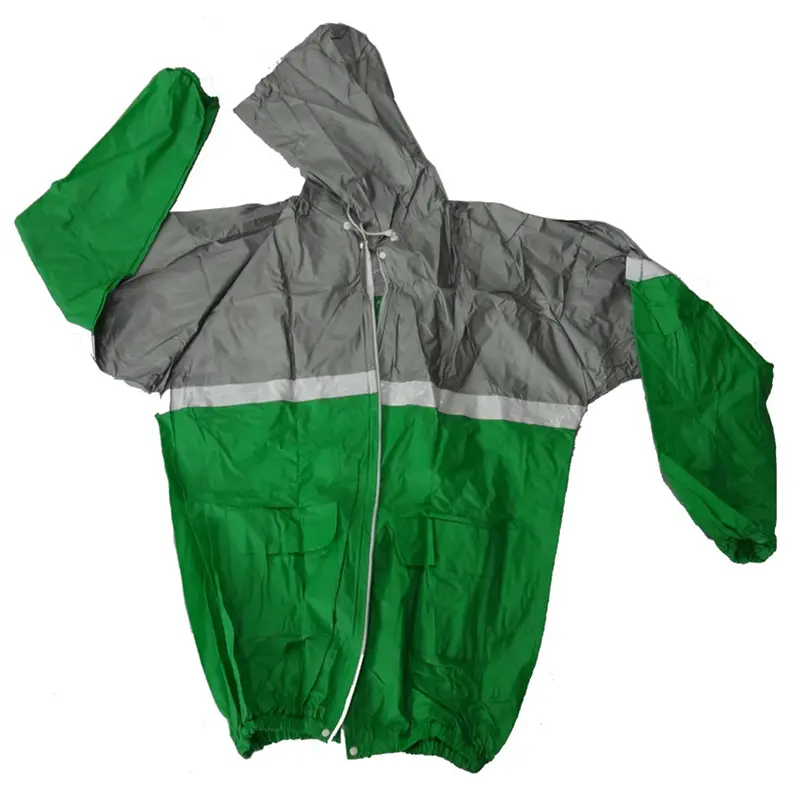
Professional post mortem bag manufacturer Solutions for Bolivia

Providing high-barrier, leak-proof, and durable containment systems tailored for the unique geographic and climatic challenges of the Bolivian healthcare and forensic sectors.

Professional post mortem bag manufacturer Solutions for Bolivia

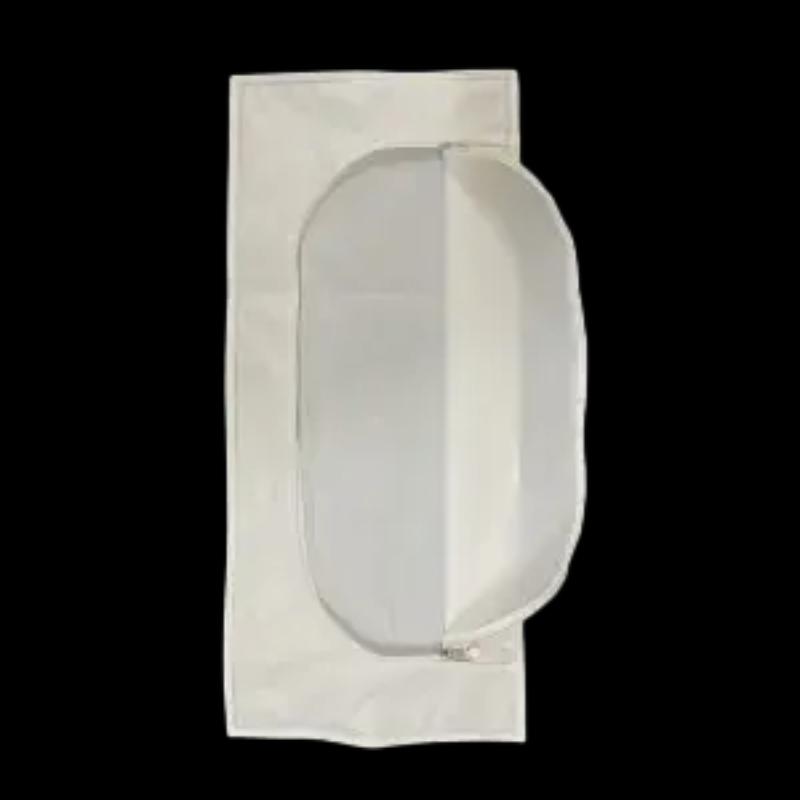
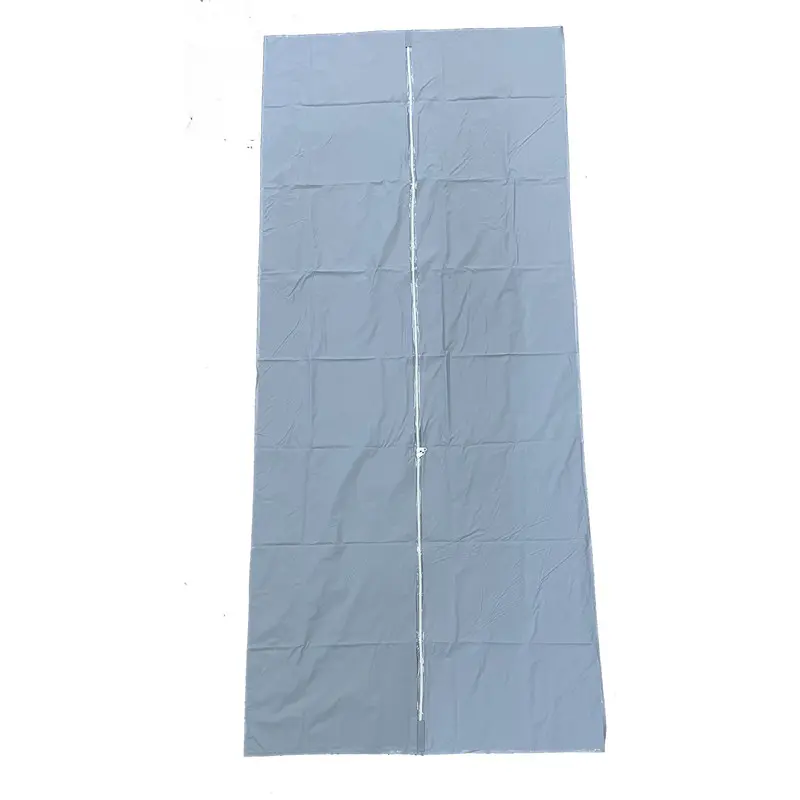
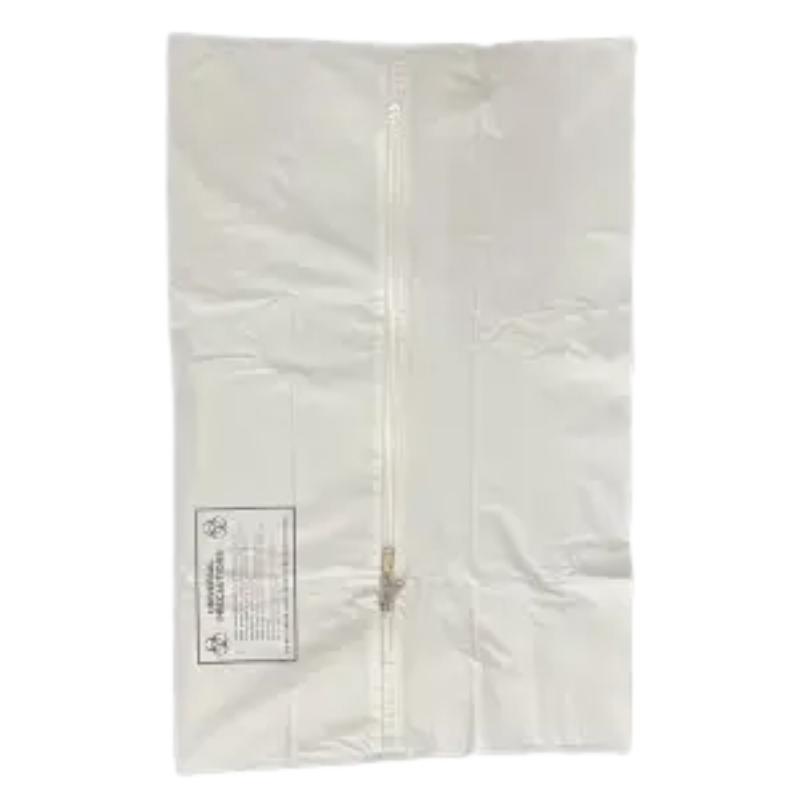
Helee Garment specializes in the engineering of high-performance containment solutions, ensuring that every body bag meets international biosafety standards while addressing the logistical needs of South American transport.

Containment Challenges in Bolivia's Diverse Terrain

Analyzing the operational demands of mortuary services across the Altiplano and Amazonian regions.

In Bolivia, the procurement of a high-quality corpse bag is complicated by extreme altitude variations. In cities like La Paz, the rapid temperature shifts between day and night require materials that remain flexible and puncture-resistant without becoming brittle in the cold Altiplano air.

Conversely, in the tropical lowlands of Santa Cruz, high humidity and heat accelerate decomposition, placing immense pressure on the sealing integrity of a cadaver bag. Standard plastics often fail under these conditions, leading to leakage and biohazardous risks during handling.

Furthermore, the fragmented infrastructure in rural provinces makes the reliability of a transport body bag critical. Long-distance transit over rugged terrain demands reinforced seams and heavy-duty handles to prevent structural failure during movement between municipal morgues.
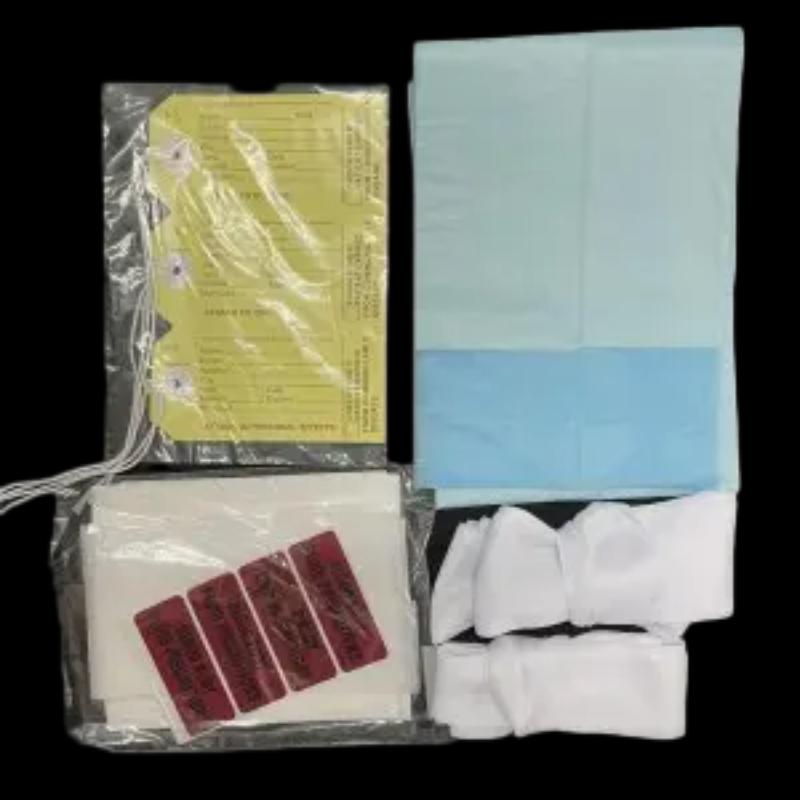
Evolution of Forensic Textile Technology

From basic polyethylene wraps to advanced multi-layered antimicrobial barriers.

Market Development History

Prior to the 2000s, the Bolivian market relied heavily on low-density polyethylene (LDPE) sheets which offered minimal protection. These early versions were prone to tearing and lacked the necessary sealing mechanisms for safe biological containment.

Between 2010 and 2020, there was a shift toward heavy-duty PVC and reinforced PE composites. The industry began integrating heat-sealed seams, reducing the reliance on manual stitching and significantly lowering the risk of fluid leakage during the initial stages of post-mortem care.

Since 2021, the demand has evolved toward specialized "high-barrier" textiles. Modern manufacturers now utilize multi-layered laminates that incorporate antimicrobial properties, ensuring a sterile environment and enhanced safety for forensic professionals in urban centers.

Future Development Trends

Biodegradable Polymer Integration

Driven by global environmental shifts, we predict a move toward compostable high-strength polymers that maintain leak-proof integrity but reduce the long-term plastic footprint in Bolivian landfills.

Smart-Tagging and Tracking

Integration of RFID or QR-coded textiles will allow for seamless digital tracking of remains from the site of recovery to the final destination, reducing administrative errors in regional hospitals.

Thermal Regulation Layers

Development of phase-change materials within the bag lining to slow down decomposition in hot climates, extending the window for forensic examination without requiring constant refrigeration.

Future Outlook for Mortuary Containment

Strategic projections for the next 3-5 years in the professional garment sector.

Ultra-High Barrier Membranes">
Implementation of nano-coatings to ensure 100% pathogen containment, critical for infectious disease management.
Climate-Adaptive Materials">
Textiles engineered to maintain structural integrity from -10°C in the Andes to 40°C in the lowlands.
Reinforced Logistic Handles">
Ergonomic, high-tensile strength lifting points designed for difficult recoveries in mountainous areas.
Eco-Friendly Polymers">
Transitioning to sustainable medical-grade textiles that reduce environmental impact without compromising safety.

Industry Outlook

Google search trends indicate a rising demand for "certified medical containment" in South America, suggesting a move toward standardized procurement and stricter regulatory compliance in Bolivia.

We anticipate that the market will pivot from generic supplies to specialized, application-specific products, where the focus shifts from simple cost-per-unit to long-term biological safety and environmental sustainability.

Localized Application Scenarios in Bolivia

Practical implementations across different Bolivian geographical and institutional contexts.

01. High-Altitude Urban Morgues (La Paz & El Alto)

Deployment of reinforced, cold-resistant bags that prevent material cracking during transport in the thin, freezing air of the high plateau.

02. Tropical Region Bio-Containment (Santa Cruz & Beni)

Use of ultra-thick, heat-sealed barriers designed to prevent leakage and odor escape in extreme humidity and high temperature environments.

03. Remote Andean Village Recoveries

Utilization of heavy-duty transport systems with extra-wide handles, allowing forensic teams to move remains across uneven, rocky terrain.

04. National Hospital Emergency Units

Standardized, quick-seal bags for rapid containment in high-volume metropolitan hospitals to ensure immediate hygiene and safety.

05. Specialized Forensic Laboratory Transfers

High-transparency identification windows and secure zip-locks for the sterile transfer of remains between regional forensic centers.

Brand Story

Global Development Process of Hebei Helee Garment Co., Ltd.

Foundational Excellence

Established with a mission to revolutionize industrial textiles, focusing on precision engineering for high-risk garment environments.

Technical Diversification

Expanded expertise into medical-grade polymers, overcoming the challenge of combining flexibility with absolute leak-proofing.

Global Quality Standardization

Achieved international certifications, ensuring every product meets the stringent biosafety requirements of global healthcare systems.

South American Market Entry

Tailored production lines to meet the specific climatic demands of regions like Bolivia, focusing on durability and thermal stability.

Future-Ready Innovation

Investing in biodegradable materials and smart-textiles to lead the next generation of forensic containment solutions.

Bolivian Market FAQ

Addressing common technical and logistical queries regarding mortuary textiles.

How do you ensure a body bag remains leak-proof in tropical humidity?

We use high-frequency heat-welding for all seams, which creates a fused molecular bond stronger than the material itself, preventing leakage even in high-humidity regions like Santa Cruz.

Are your cadaver bag materials resistant to extreme cold?

Yes, our specialized polymers are engineered to remain flexible at low temperatures, ensuring they do not crack or tear during use in high-altitude Bolivian cities.

What makes you a preferred post mortem bag manufacturer for regional hospitals?

Our focus on E-E-A-T principles ensures that we provide evidence-based material science, consistent quality control, and products that comply with global biohazard standards.

Can a transport body bag be customized for specific dimensions?

Absolutely. We offer a wide range of sizes and customized reinforcements to accommodate different recovery scenarios and transport requirements.

Is the corpse bag material antimicrobial?

We offer specialized lines with antimicrobial coatings that inhibit the growth of pathogens on the exterior surface, enhancing the safety of the handling staff.

What is the typical lead time for bulk orders shipped to Bolivia?

Lead times vary by volume, but we utilize optimized logistics channels to ensure timely delivery to major Bolivian ports and distribution hubs.

Secure Your Specialized Containment Supplies

Contact our engineering team today for high-performance solutions tailored for the specific requirements of Bolivia.

Contact Us Now

If you are interested in our products, you can choose to leave your information here, and we will be in touch with you shortly.