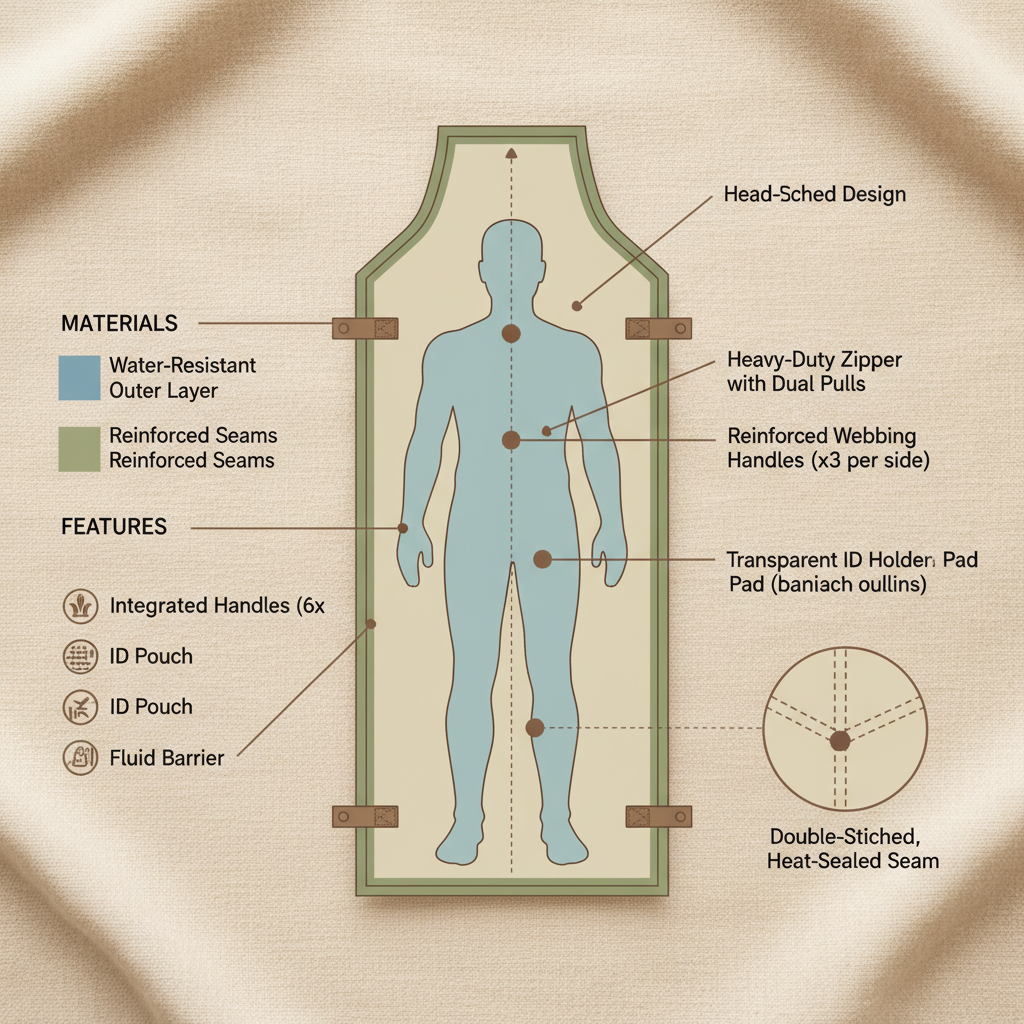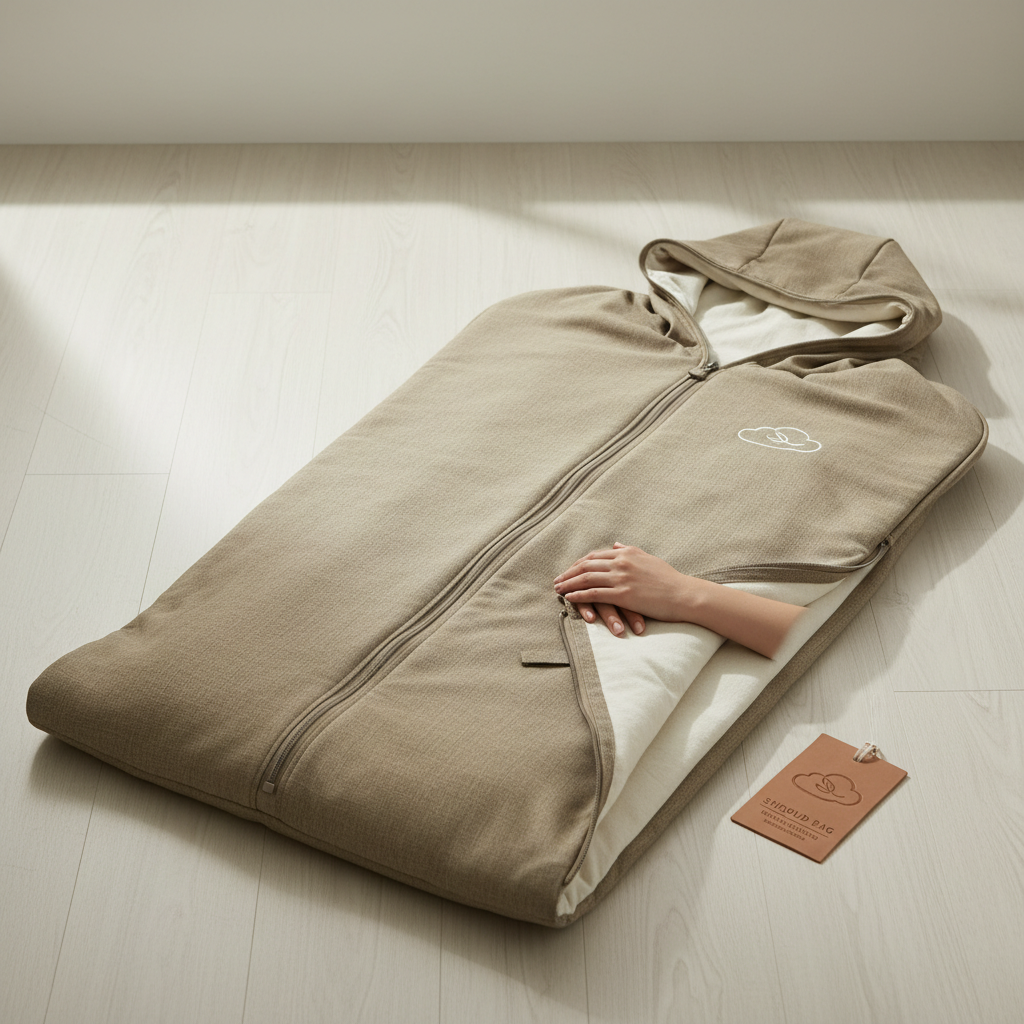
A leak proof bady bag manufacturer specializes in the engineering and production of high-barrier containment systems designed to transport deceased animals or human remains securely. These products are critical in veterinary clinics, humanitarian rescue operations, and funeral services, where preventing the escape of fluids and odors is a primary biological safety requirement.
In sectors like pet healthcare and emergency response, the failure of a containment bag can lead to contamination and unsanitary environments. Selecting a manufacturer that utilizes advanced materials like PEVA or reinforced PVC ensures that leak-proof standards are met, reducing the risk of environmental hazards and maintaining the dignity of the deceased.
This guide explores the technical specifications of leak-proof containment, the material science behind tear-resistant films, and the essential criteria for procurement teams to ensure they are sourcing hygienic, durable, and compliant body bags for professional use.

1Core Material Science in Leak-Proof Design

The effectiveness of a leak-proof body bag depends heavily on the polymer used. PEVA (Polyethylene Vinyl Acetate) is frequently preferred over standard PVC because it is non-chlorinated and offers a superior balance of flexibility and waterproof strength. A thickness of 0.20mm provides a critical threshold for tear resistance, ensuring that the bag does not puncture during transport through rough terrain or within medical facilities.
Beyond the film itself, the welding process determines the "leak-proof" claim. Manufacturers use ultrasonic sewing or hot-air welding to create hermetic seals at the seams. Unlike traditional stitching, which creates thousands of microscopic holes, heat-welding fuses the material into a single, continuous barrier.
For specialized use, some manufacturers integrate non-woven fabrics with waterproof linings to provide a more "fabric-like" feel while maintaining the internal fluid-tight seal required for sanitation standards.
2Critical Features of Professional Containment Bags
A high-quality leak-proof bag is defined by more than just its material. The closure system is the most common point of failure. Resin zippers, securely sewn and reinforced, allow for easy access while preventing leakage. In professional settings, a curved zipper design is often used to facilitate the sliding of the body into the bag without compromising the seal.
Packaging is another critical factor. Individual PE plastic bags for each body bag prevent contamination during storage and transport. This ensures that when a bag is deployed in a humanitarian or clinical setting, it is sterile and free from warehouse dust or moisture.
Additionally, features such as load-bearing handles or stretcher-free designs are integrated for humanitarian rescue operations, where bags must be moved quickly and safely across varied landscapes without risk of rupture.
3Application Scenarios in Pet and Human Healthcare
In veterinary clinics and pet hospitals, the PEVA Film Pet Body Bag (typically 45cm x 55cm) serves as a hygienic solution for transporting deceased small animals. The waterproof nature of the film prevents odors and fluids from leaking into clinic corridors, maintaining a professional and clean environment for other grieving clients.
Humanitarian rescue operations require more robust specifications. In these scenarios, body bags are used to manage mass casualties, where the primary goal is the respectful treatment of the deceased and the prevention of disease transmission. The ability to seal the bag completely is vital for biohazard control.
The pet funeral industry also relies on these products to provide a secure containment solution during the transition from the clinic to the cremation or burial site, ensuring a dignified farewell for pet owners.
4Analyzing Performance and Seal Integrity
Performance is measured by the bag's ability to maintain a vacuum-like seal under pressure. A manufacturer's quality control usually involves hydrostatic pressure tests, where the bag is filled with fluid and monitored for seepage. The 0.20mm thickness is specifically engineered to resist the "ballooning" effect that can lead to seam failure.
The interaction between the resin zipper and the PEVA film is critical. If the zipper is not securely fused to the film, "leakage paths" are created at the edges. Professional manufacturers use reinforced stitching at the zipper base to ensure that the mechanical stress of closing the bag does not tear the surrounding material.
leak proof bady bag manufacturer Performance Metrics
When comparing standard bags to those from a specialized leak-proof manufacturer, the primary difference lies in the consistency of the weld. While generic bags may have gaps in the heat seal, professional-grade products ensure a 100% continuous seal around the entire perimeter.
5Procurement Standards for Healthcare Suppliers
Procurement teams must evaluate manufacturers based on their production capabilities. A factory with experience in PVC/PEVA/PU garments, such as Helee Garment, provides the necessary technical infrastructure—including ultrasonic sewing and hot-sewing machines—to guarantee leak-proof results.
Verification of packaging standards is equally important. Sourcing from a supplier that provides individual PE bag wrapping and bulk boxing ensures that the product's integrity is not compromised during international shipping.
Finally, buyers should request samples to test the "pull strength" of the handles and the "glide smoothness" of the resin zippers, as these are the most common failure points during actual field use.
6Innovation Trends in Biodegradable Containment
The industry is shifting toward more sustainable materials without sacrificing the leak-proof requirement. Research is focused on bio-based polymers that mimic the barrier properties of PEVA but decompose in industrial composting environments, reducing the long-term plastic footprint of funeral and medical services.
Another innovation is the integration of antimicrobial coatings on the interior film. This helps in reducing the growth of bacteria within the bag during the time between recovery and final disposition, enhancing safety for handling personnel.
Despite these innovations, the core requirement remains the same: a total fluid barrier. New materials must pass the same rigorous leak-tests as traditional PEVA to be considered viable for professional medical use.
7Comparative Analysis of Bag Materials
Choosing the right material depends on the specific use case. While PVC is highly durable, PEVA is often preferred for its environmental profile and flexibility. For high-intensity rescue operations, a thicker PU or PVC blend may be necessary to prevent punctures from debris.
The following table compares the most common materials used by professional manufacturers to help procurement officers make an informed decision based on the required performance level.
| Material | Leak Resistance | Durability | Best Application |
|---|---|---|---|
| PEVA (0.20mm) | Excellent | High | Pet Clinics / Hospitals |
| Standard PVC | Very High | Very High | Industrial / Rescue |
| Polyethylene (PE) | Moderate | Low | Temporary Holding |
| PU Coated | High | Moderate | Specialized Medical |
| Non-Woven + Film | High | Moderate | Funeral Home / Dignity |
| Reinforced Vinyl | Exceptional | Extreme | Heavy-duty Transport |
Regardless of the material chosen, the "leak-proof" status is only guaranteed if the manufacturer employs thermal welding rather than traditional needle-and-thread sewing for the main body of the bag.
Frequently Asked Questions
Conclusion
Selecting a reliable leak proof bady bag manufacturer is essential for maintaining sanitary standards and operational safety in veterinary and emergency services. By focusing on material thickness, heat-welded seams, and high-quality resin zippers, organizations can ensure that containment is absolute and the transport of remains is handled with the utmost dignity and professionalism.
For procurement teams seeking a partner with over 20 years of experience in waterproof and healthcare manufacturing, the available product specifications and custom solutions can be reviewed at www.heleegarment.com.