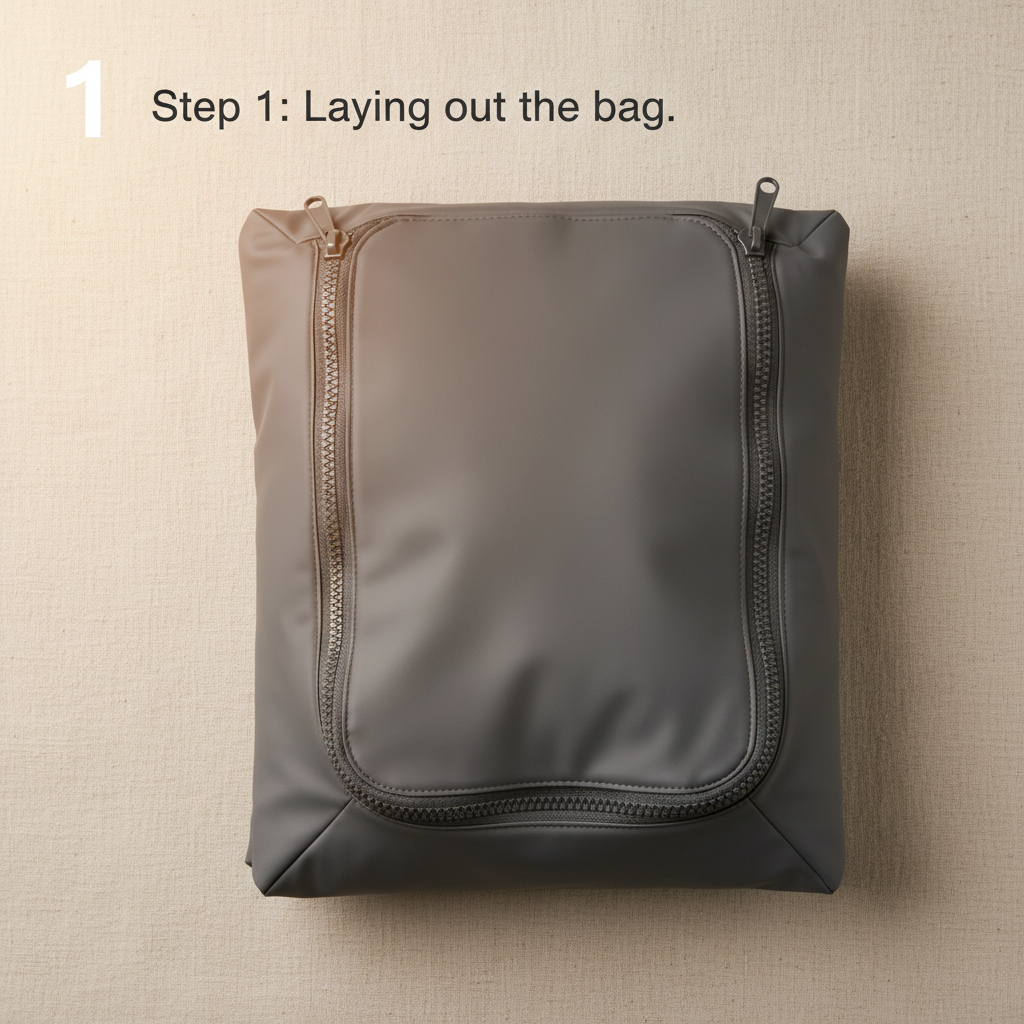
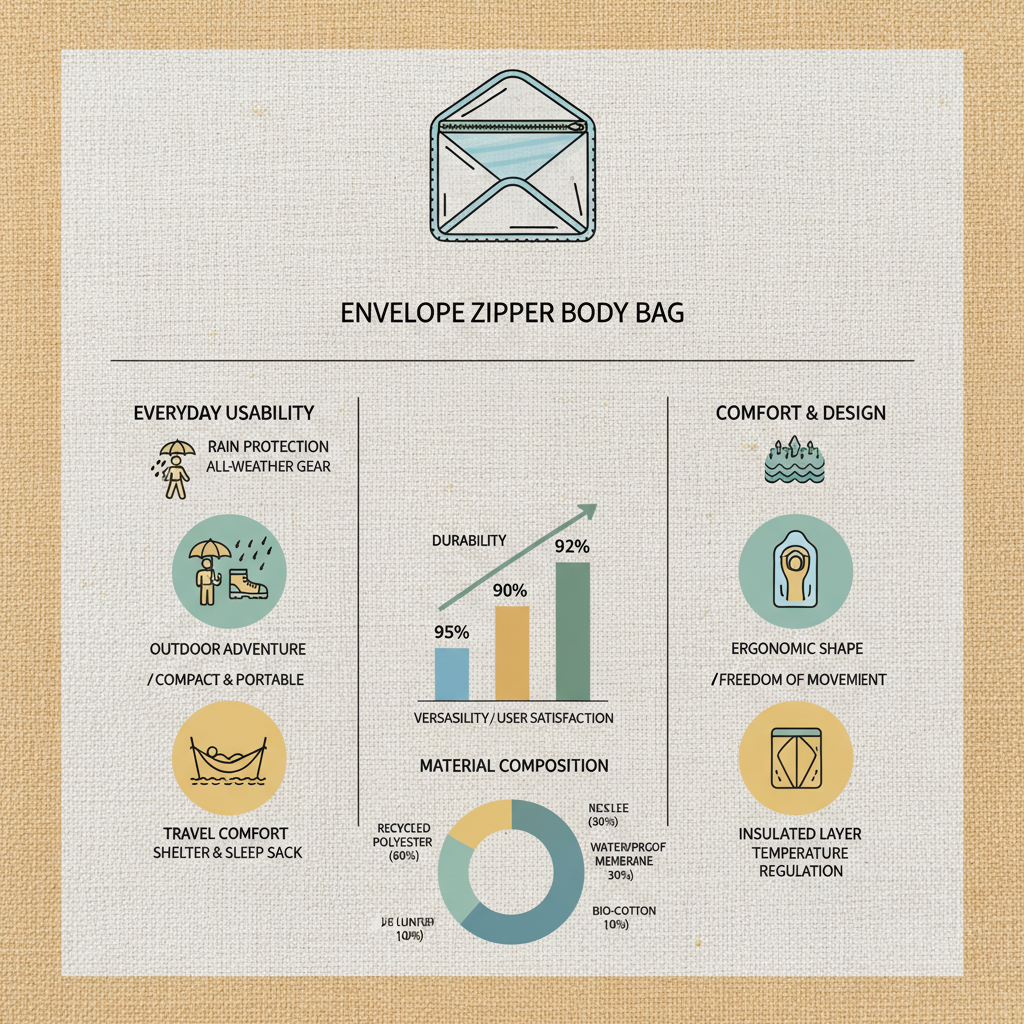
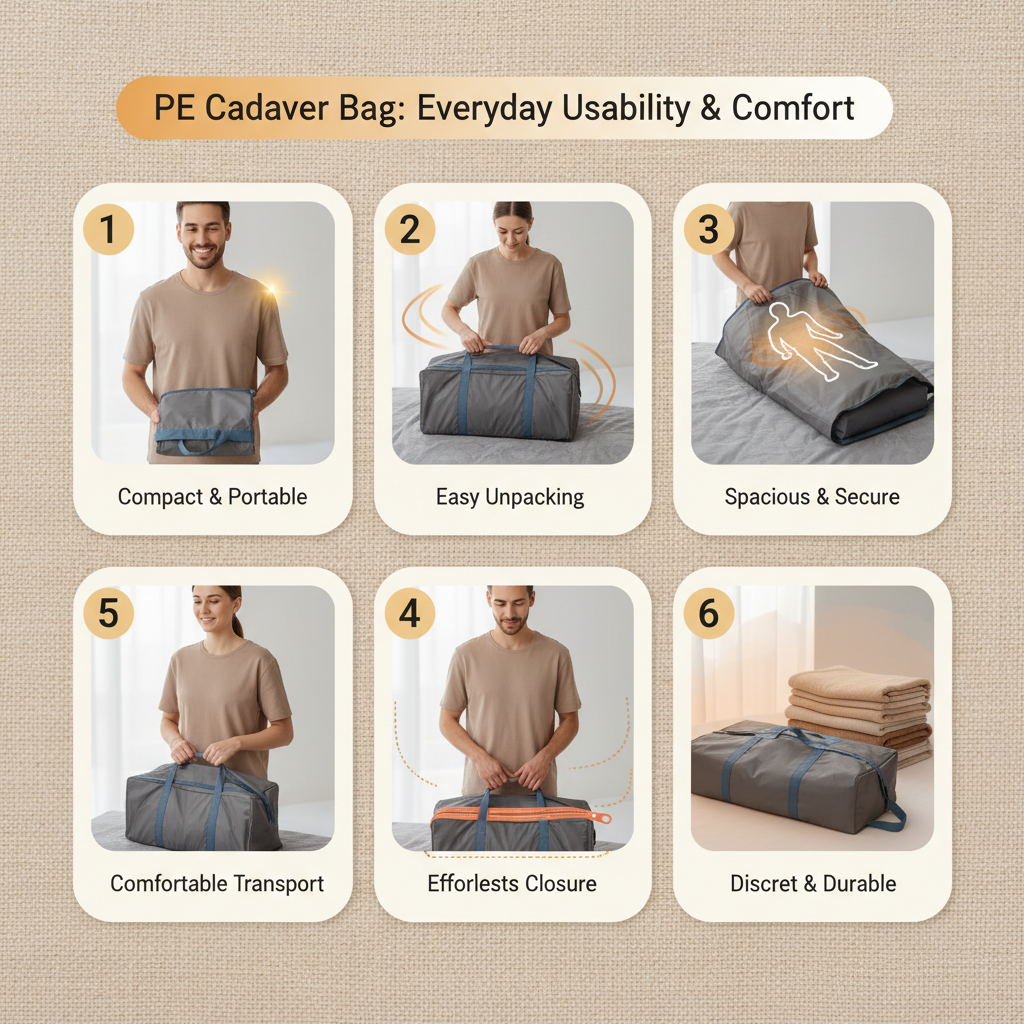
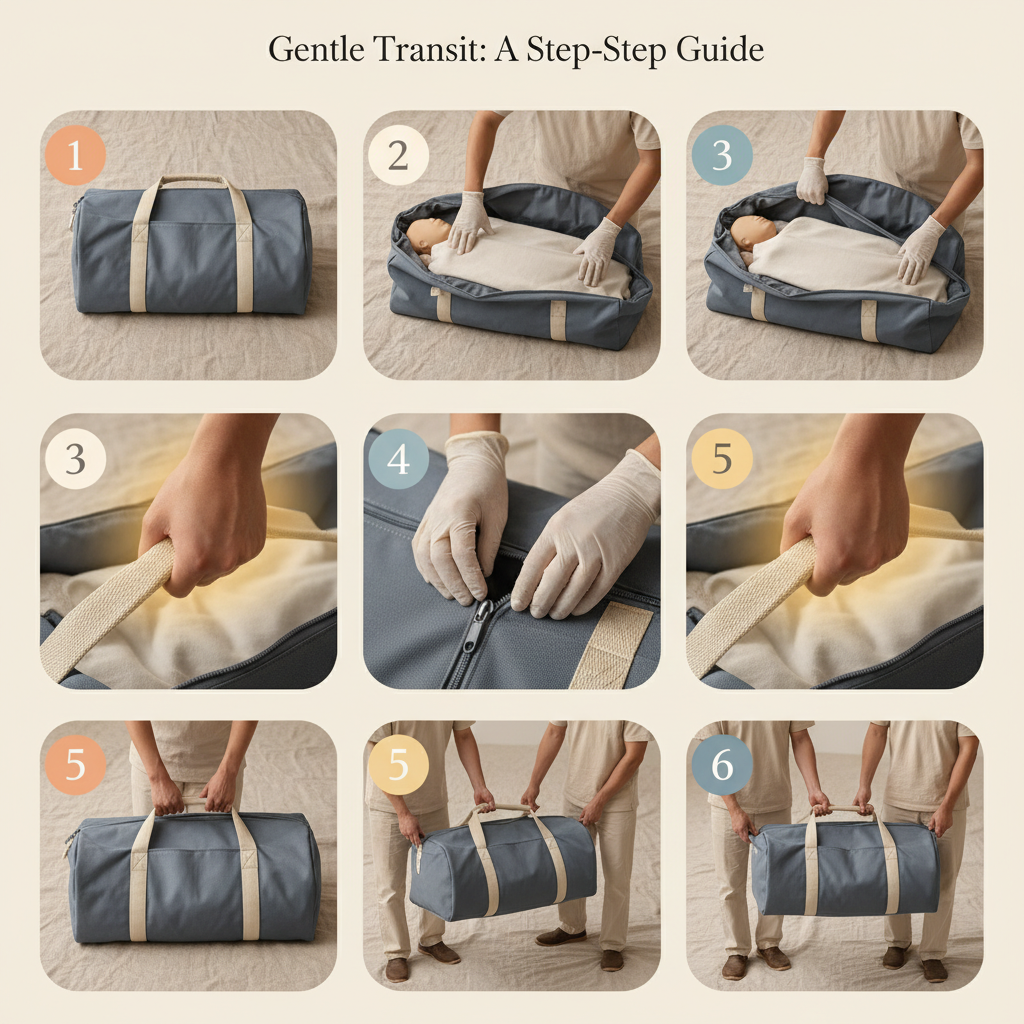
The specialized field of forensic and emergency containment requires equipment that balances absolute security with operational efficiency. An envelope zipper body bag represents a critical advancement in this domain, offering a leak-proof, secure method for the dignified transport of human remains. By utilizing a reinforced envelope-style closure system, these bags ensure that biological hazards are contained while facilitating rapid deployment by emergency responders.
Globally, the demand for high-quality containment solutions has surged due to the increasing frequency of natural disasters and the rigorous health standards set by international bodies like the WHO and ISO. An envelope zipper body bag addresses the critical challenge of fluid leakage and odor control, which are paramount in maintaining public health and sanitation during recovery operations. Without such specialized equipment, the risk of cross-contamination in disaster zones increases significantly.
Understanding the technical specifications of an envelope zipper body bag—from the denier of the PVC or PE material to the gauge of the heavy-duty zipper—allows procurement officers and medical professionals to make informed decisions. This guide explores the engineering, application, and future evolution of these essential tools, ensuring that safety and dignity remain at the forefront of humanitarian and forensic logistics.
The Technical Engineering of Envelope Zipper Body Bags
The primary engineering goal of an envelope zipper body bag is to create an airtight and watertight seal that prevents the escape of fluids and gases. This is achieved through a dual-layer approach: a reinforced fabric body and a precision-engineered zipper system. The "envelope" design refers to the overlapping material that covers the zipper track, providing a secondary barrier against leaks and ensuring that the closure remains secure even under significant internal pressure.
Furthermore, the structural integrity of these bags is reinforced at the seams. Using high-frequency welding (HF welding) instead of traditional stitching eliminates needle holes, which are common failure points in lower-quality containment. This technical precision ensures that the envelope zipper body bag can withstand the rigors of transport over rough terrain, making it an indispensable asset for field forensics and emergency management teams.
Global Industry Standards and Compliance
In the global market, the production of an envelope zipper body bag is governed by strict health and safety regulations. ISO standards for medical devices and biohazard containment dictate the minimum thickness and puncture resistance required for these products. Compliance ensures that the bags can effectively isolate pathogens, protecting first responders and transport personnel from potential biological threats.
Regulatory bodies often require that these bags be manufactured from non-porous, chemically resistant materials. This is particularly important in cases involving chemical spills or infectious disease outbreaks, where the material must not degrade when exposed to disinfectants or caustic substances. A certified envelope zipper body bag undergoes rigorous stress tests to ensure it doesn't rupture during lifting or movement.
Beyond the material, the logistical standards for packaging and labeling are also critical. Each bag must be clearly marked with size, capacity, and handling instructions to avoid errors during high-stress deployments. By adhering to these global benchmarks, manufacturers provide the reliability needed by governmental agencies and international NGOs operating in diverse and challenging environments.
Material Selection for Maximum Containment
Choosing the right substrate for an envelope zipper body bag is a balance between weight and durability. Most professional-grade bags utilize heavy-duty PVC (Polyvinyl Chloride) or PE (Polyethylene), which offer excellent waterproof properties and a high degree of tear resistance.
The specific gauge of the material in an envelope zipper body bag is determined by the intended use case; for example, forensic bags require higher opacity and puncture resistance, whereas emergency disaster bags may prioritize lightweight portability without sacrificing the seal.
Additionally, the zipper itself must be crafted from corrosion-resistant nylon or reinforced plastic. This ensures that the envelope zipper body bag remains functional in saltwater environments or extreme cold, where metal zippers might seize or rust, compromising the containment of the remains.
Performance Metrics and Comparative Analysis
Evaluating the efficacy of different containment methods requires a look at leak-rate data and durability scores. The envelope zipper body bag typically outperforms standard drawstring or single-zip bags in terms of fluid retention and ease of use. The overlap design effectively mitigates the "zipper-leak" phenomenon common in cheaper alternatives.
To further illustrate this, we analyze the performance across various specialized models, focusing on puncture resistance, seal integrity, and deployment speed. These metrics are vital for agencies that must choose between high-cost forensic models and cost-effective mass-casualty models.
Containment Efficiency of Envelope Zipper Body Bag Variants
Critical Global Applications and Use Cases
In post-disaster relief operations, such as those following earthquakes or floods, the envelope zipper body bag is essential for preventing the spread of waterborne diseases. In these chaotic environments, the ability to quickly seal a body and move it to a centralized morgue prevents the contamination of local water sources and protects the surviving population.
Similarly, in forensic investigations and crime scene management, these bags provide a sterile environment that prevents the loss of trace evidence. The secure seal of an envelope zipper body bag ensures that no biological material escapes during transport to the pathology lab, maintaining the chain of custody and the integrity of the evidence.
Long-Term Value and Ethical Considerations
Beyond the technical specifications, the use of a professional envelope zipper body bag is a matter of human dignity. Providing a secure, opaque, and leak-proof container ensures that the deceased are handled with respect, preventing unsightly leaks and maintaining privacy during the final journey. This ethical dimension is often overlooked but is central to the mission of funeral directors and humanitarian workers.
From a logical and financial perspective, investing in high-durability bags reduces the need for replacements and secondary containment. The long-term value lies in the reliability; when a bag fails, the cost is not just financial, but emotional and sanitary. A high-quality envelope zipper body bag minimizes these risks, providing peace of mind to the operators and the bereaved.
Furthermore, the standardization of these bags allows for seamless integration into global logistics chains. Whether being shipped via air or sea, the consistent dimensions and strength of these products ensure they can be stacked and moved efficiently without compromising the safety of the contents or the environment.
Future Innovations in Body Bag Technology
The future of the envelope zipper body bag is moving toward sustainability. Researchers are exploring biodegradable polymers that maintain the necessary containment properties for a specific duration before breaking down, reducing the long-term environmental impact of plastic waste in mass-casualty events.
Digital transformation is also entering the field, with the integration of RFID tags directly into the fabric of the envelope zipper body bag. This allows for real-time tracking of remains in large-scale disasters, significantly speeding up the identification process and ensuring that families are reunited with their loved ones more quickly.
Additionally, the development of "smart materials" that can change color in the presence of specific pathogens could turn a standard containment bag into a diagnostic tool, alerting workers to biological hazards before they even open the bag.
Comparative Analysis of Modern Body Bag Technologies
| Technology Type |
Seal Reliability |
Env. Impact |
Deployment Speed |
| Standard PVC Envelope |
High (9/10) |
Low (3/10) |
Fast |
| Biodegradable PE |
Medium (7/10) |
High (9/10) |
Fast |
| RFID-Integrated Bag |
High (9/10) |
Low (2/10) |
Medium |
| Heavy-Duty Nylon |
Very High (10/10) |
Medium (5/10) |
Medium |
| Pathogen-Sensing Bag |
High (8/10) |
Low (4/10) |
Fast |
| Reinforced PE Blend |
High (8/10) |
Medium (6/10) |
Fast |
FAQS
The "envelope" design features an overlapping flap of material that covers the zipper track. This creates a secondary seal that prevents fluids from leaking through the zipper teeth—a common failure point in standard bags. This makes it significantly safer for transporting remains in high-leakage scenarios.
Yes, provided the material is high-grade PVC or reinforced PE. Professional envelope zipper body bags are designed to remain flexible and leak-proof even in freezing temperatures, ensuring the zipper does not crack and the seal remains airtight in morgue freezers.
Absolutely. When manufactured to ISO and WHO standards, an envelope zipper body bag provides a critical biological barrier. The non-porous material and secure closure prevent the escape of airborne or fluid-borne pathogens, protecting healthcare workers.
It is recommended to procure a variety of sizes (Adult, Child, and Bariatric). For mass deployments, the "Adult Standard" is the most common, but having oversized bags ensures that every individual can be contained with dignity and security regardless of body type.
Most traditional bags are made from PVC or PE for maximum durability, which are not biodegradable. However, newer "Eco-Poly" variants are emerging. For critical containment, durability is usually prioritized over biodegradability to ensure safety.
NGOs should look for manufacturers with ISO certification and those who provide standardized palletization. Ensuring the products meet the import health regulations of the destination country avoids customs delays during urgent humanitarian crises.
Conclusion
The envelope zipper body bag is far more than a simple containment tool; it is a sophisticated piece of emergency equipment that integrates material science, forensic requirements, and humanitarian ethics. By ensuring a leak-proof seal and structural durability, these bags protect public health, secure vital evidence, and preserve the dignity of the deceased in the most challenging circumstances.
As we look toward the future, the integration of sustainable materials and digital tracking will further refine the efficiency of these essential products. For agencies and professionals dedicated to safety and respect, choosing high-quality, certified containment solutions is an investment in both operational success and human dignity. Visit our website for professional solutions: www.heleegarment.com