Professional PVC and PEVA Waterproof Clothing Supplier
Selecting high-performance protective gear requires a balance between material durability and wearer comfort. For businesses in the industrial, medical, or childcare sectors, the choice of waterproof barriers—such as PEVA or PVC aprons—can significantly impact operational hygiene and safety. These garments serve as the first line of defense against liquids, chemicals, and debris, necessitating a manufacturing process that ensures leak-proof seams and consistent material thickness.
Whether you are sourcing for a professional kitchen, a medical facility, or an industrial workshop, understanding the technical nuances of eco-friendly polymers and fastening designs is critical. Helee Garment leverages decades of expertise in PVC, PEVA, and PU production to provide solutions that meet rigorous commercial standards, ensuring that every garment provides reliable protection without compromising on flexibility or ergonomics.

Material Science in Protective Wear: Comparing PEVA and PVC Polymers
The effectiveness of a waterproof apron depends primarily on the chemical composition of the polymer used. PEVA (Polyethylene Vinyl Acetate) is increasingly preferred for its eco-friendly profile, being non-chlorinated and more flexible than traditional PVC. It provides an excellent barrier against moisture while remaining lightweight, making it ideal for nursing care, childcare, and light industrial use where wearer mobility is paramount.
PVC (Polyvinyl Chloride), on the other hand, is renowned for its superior mechanical strength and resistance to punctures. In heavy-duty workshop environments, PVC offers a more robust shield against corrosive substances and abrasive materials. The choice between these two often comes down to the specific environment: PEVA for sustainability and softness, and PVC for maximum durability and chemical resistance.
Manufacturing these materials requires precision in thickness control. Our production range from 0.10mm to 0.60mm allows clients to select the exact level of protection needed. A 0.10mm (4mil) garment is suitable for disposable or light-duty applications, while thicker iterations are engineered for repeated use in demanding industrial settings.

Engineering for Ergonomics: Fastening Systems and Fit
A waterproof garment is only effective if it fits securely without restricting the user. One of the most critical design elements is the neck fastening. Traditional ties can sometimes cause discomfort or safety hazards; therefore, the implementation of fast strap fasteners ensures a quick-release mechanism that prevents choking and allows for rapid donning and doffing in fast-paced environments.
Beyond the fastening, the dimensions of the garment must be optimized for the target demographic. While "one size" (100x75 cm) covers a broad range of adults, customization for specific roles—such as children's bibs or specialized nursing uniforms—is essential. The integration of sleeves or the omission of them depends entirely on the risk profile of the task, such as whether the primary splash risk is concentrated on the torso or extends to the arms.
Furthermore, the assembly method determines the garment's longevity. Utilizing a combination of traditional sewing, hot sewing, and ultrasonic welding ensures that seams remain waterproof. Ultrasonic sewing, in particular, creates a molecular bond between polymer layers, eliminating the needle holes associated with standard stitching and providing a truly seamless barrier.
Application Scenarios: From Healthcare to Industrial Workshops
The versatility of waterproof polymers allows these products to be deployed across diverse industries. In Healthcare and Nursing Care, PEVA pants, shorts, and uniforms are vital for maintaining sterile environments and protecting staff from bodily fluids. The non-toxic nature of high-grade PEVA makes it safe for prolonged skin contact in medical settings.
In Industrial and Workshop settings, the requirements shift toward chemical resistance and tear strength. Heavy-duty aprons and vests protect workers from oils, lubricants, and water-based coolants. The ability to incorporate custom printing allows companies to add corporate logos or safety warnings directly onto the garment, enhancing professional identity and workplace safety compliance.
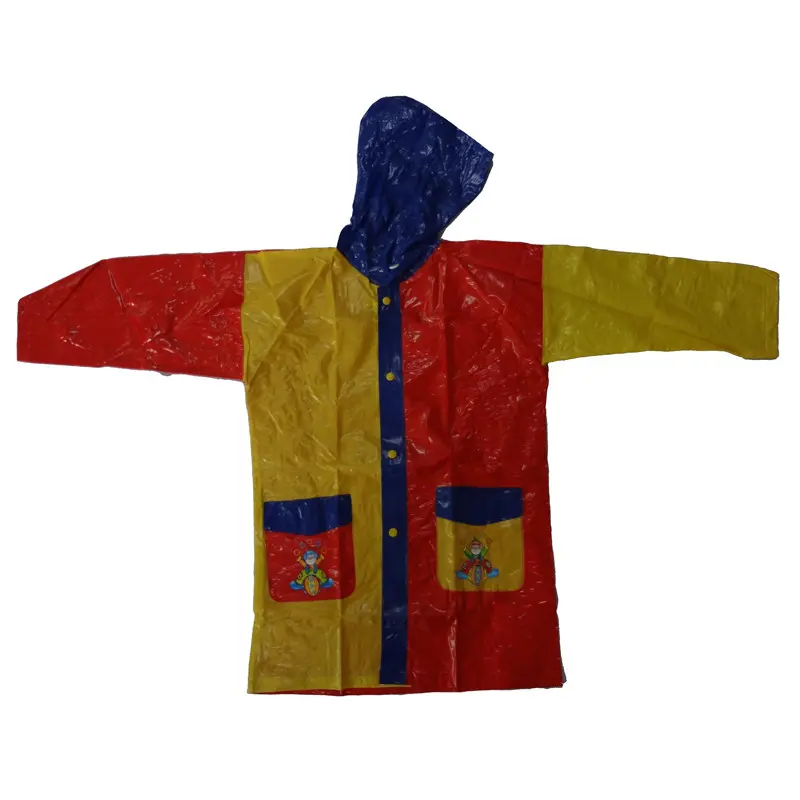
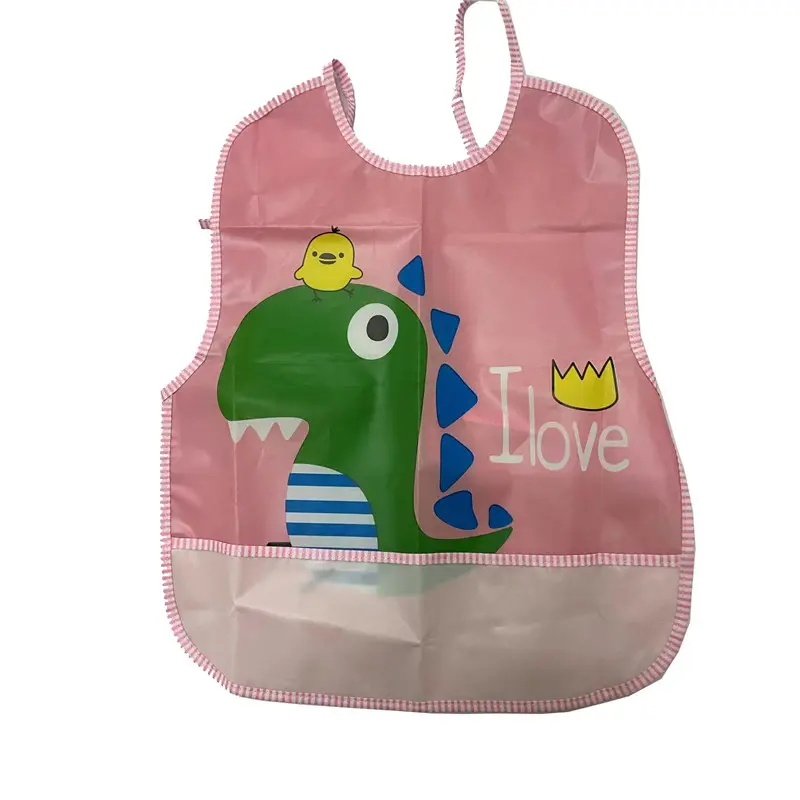
For Childcare and Education, the focus is on ease of use and safety. Kid bibs and aprons are designed with soft edges and secure fasteners to protect children during art projects or meal times. The use of eco-friendly materials ensures that the products are safe for children, while the waterproof surface allows for easy cleaning and reuse, reducing waste in educational facilities.
Technical Specification and Selection Matrix
| Material Type | Typical Thickness | Primary Application | Key Advantage |
|---|---|---|---|
| High-Grade PEVA | 0.10 - 0.35 mm | Nursing / Childcare | Eco-friendly & Flexible |
| Industrial PVC | 0.30 - 0.60 mm | Workshops / Chemical | High Tear Resistance |
| Polyethylene (PE) | 0.05 - 0.20 mm | Disposable Use | Cost-Effective / Light |
| PU Coating | Application-dependent | Premium Rainwear | Superior Breathability |
| Non-Woven Fabric | Variable | Medical Shrouds | Fluid Repellency |
Supply Chain Logistics for Global Waterproof Garment Procurement
Procuring protective wear on a large scale requires a supplier with integrated manufacturing capabilities. By controlling the process from raw material sourcing (PVC/PEVA/PU) to final packaging, manufacturers can ensure consistency across batches. For international buyers, the ability to offer OEM and ODM services is crucial, allowing for custom dimensions, specific thicknesses, and tailored printing to meet regional regulatory standards.
Packaging plays a significant role in logistics efficiency. Standard packing of 1 PC per PE/OPP bag with a paper card allows for easy inventory management and retail readiness. When shipping in bulk—typically 36 pieces per carton—optimizing the weight and volume is essential to reduce landed costs. Experienced logistics management ensures that these shipments navigate customs clearance and international shipping lanes efficiently.
When evaluating a waterproof clothing supplier, buyers should look for a proven track record in diverse categories, including rainwear, nursing care, and specialized industrial gear. A manufacturer that employs multiple joining techniques—sewing, hot sewing, and ultrasonic welding—demonstrates a technical maturity that can handle complex product specifications and high-volume orders without sacrificing quality.
Future Trends in Sustainable Protective Apparel
The industry is shifting toward a circular economy, with a strong emphasis on reducing the environmental footprint of polymer-based clothing. The transition from traditional PVC to PEVA is a primary example of this trend, as the latter avoids the use of phthalates and chlorine. Future developments are likely to focus on biodegradable polymers that maintain the same waterproof integrity while decomposing more efficiently after their lifecycle.
Technological integration in manufacturing, such as advanced automated ultrasonic welding, is further reducing material waste and improving seam strength. As buyer requirements evolve, we see an increasing demand for "hybrid" garments—products that combine the durability of PVC in high-wear areas with the flexibility of PEVA in joints and movement zones.
For procurement managers, the goal is no longer just finding the lowest price, but finding a partner capable of balancing cost, performance, and sustainability. Investing in high-grade, durable materials that can be reused multiple times—rather than relying on single-use disposables—is becoming the gold standard for corporate social responsibility in the garment industry.
Frequently Asked Questions on Waterproof Garments
What is the difference between PVC and PEVA for aprons?
PVC is generally more durable and puncture-resistant, making it better for heavy industrial use. PEVA is an eco-friendly, non-chlorinated alternative that is softer and more flexible, ideal for nursing and childcare settings.
Can the thickness of the waterproof material be customized?
Yes, thickness can be tailored to your specific needs. We offer a range from 0.10mm (4mil) for light-duty use up to 0.60mm (24mil) for heavy-duty applications.
Are these aprons suitable for all sizes?
Our standard size is 100x75 cm (40x30 inch), which is designed as a universal fit for most adults. However, we accept custom size orders for specific requirements or children's gear.
What types of printing are available for corporate branding?
We provide full printing services. Any design, including company logos or instructional images, can be applied to the garment during the production process.
How are the seams made to ensure they are waterproof?
Depending on the product requirement, we use sewing, hot sewing, or ultrasonic sewing. Ultrasonic welding is the most effective for a completely leak-proof, seamless finish.
What packaging options are available for wholesale orders?
Standard packaging includes 1 PC per PE or OPP bag, optionally with a paper card, with 36 pieces packed per shipping carton.
Technical References and Industry Standards
- ISO Standards for Protective Clothing
- WHO Guidelines on Personal Protective Equipment
- EPA Regulations on PVC and Polymer Waste
- OSHA Standards for Industrial Protective Gear
Finding the right balance of material thickness, fastening security, and environmental compliance is key to successful procurement. Whether you need high-volume standard production or a specialized custom design, prioritizing manufacturing expertise ensures long-term operational safety.
Related Industry Insights